





Energy-Efficient Glazing
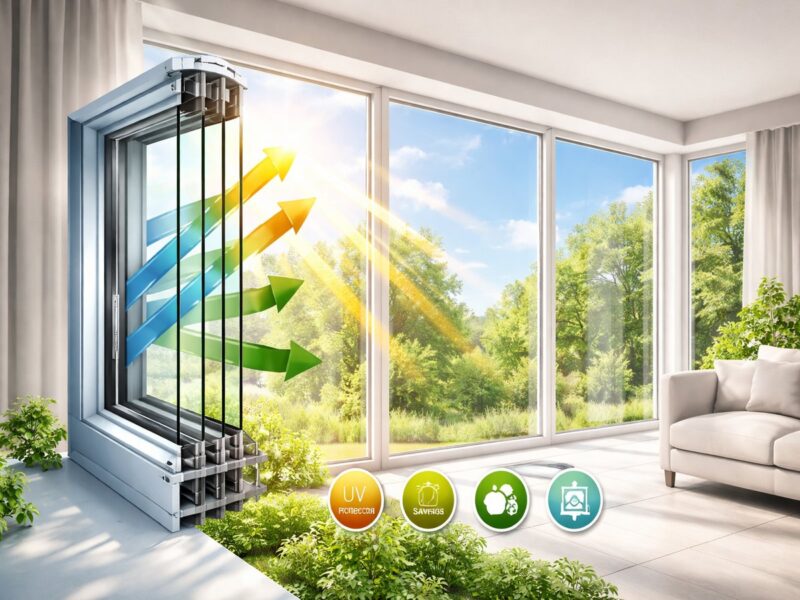
What are energy-efficient glazing units?
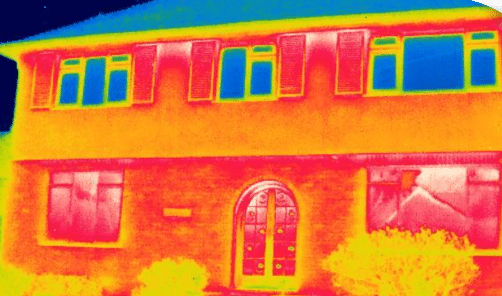
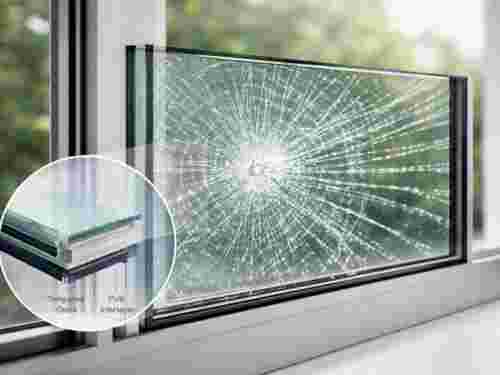
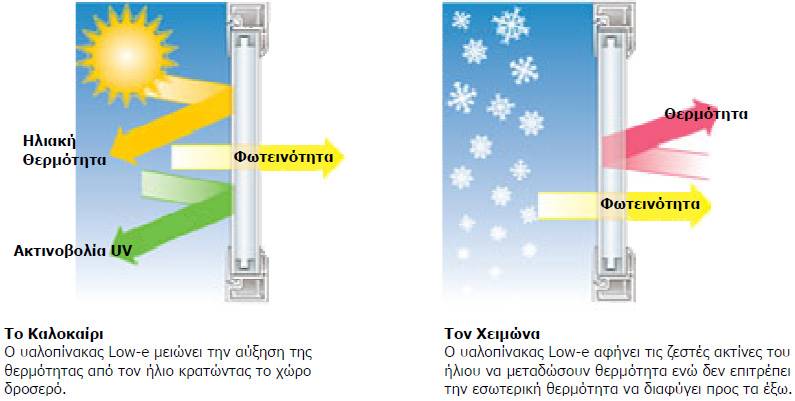
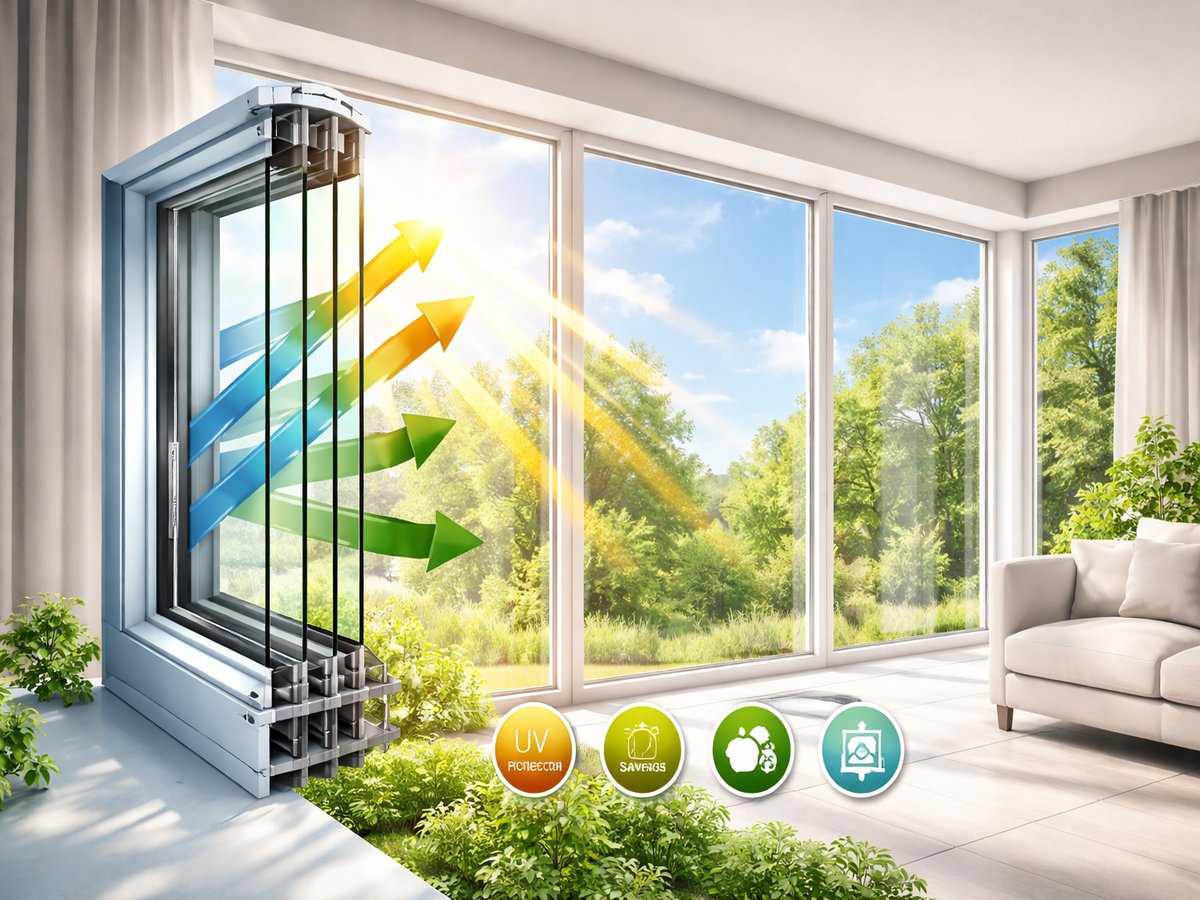
By the term energy-efficient glazing, we refer to those glazing units (double or triple) on which a special layer of metallic oxides has been applied through a special process to increase their thermal insulation and achieve energy savings.
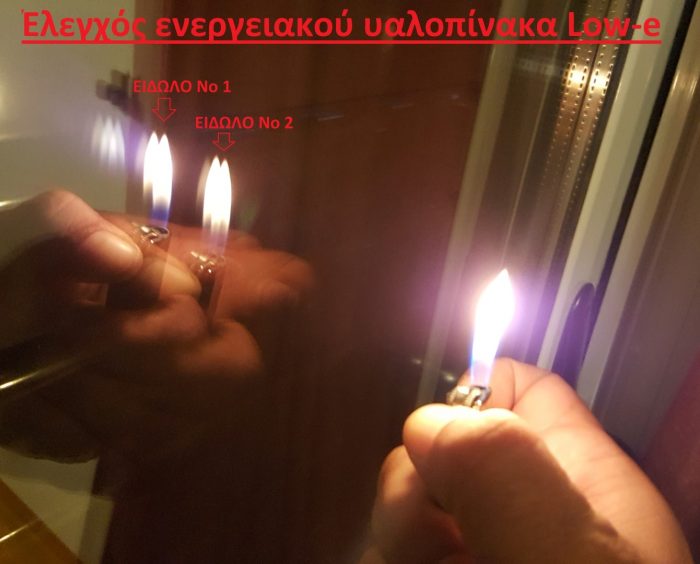
Essentially, when you receive double or triple energy-efficient glazing units, one of them has opaque metallic oxides (usually silver oxides) placed on the inside, in the area that cannot be touched (the cavity), to hinder temperature transfer from inside the house outwards and vice versa, thereby achieving energy savings. See more (prices, types) in our detailed article energy-efficient glass.
What is the difference between double energy-efficient glazing and standard double glazing?
Double energy-efficient glazing revolutionized the glass industry. The reason is their low cost compared to the benefits they offer (triple efficiency). A standard double glazing unit has a thermal insulation coefficient (thermal transmittance coefficient – Uglass) of 3 W/m²K, in contrast to an energy-efficient glazing unit which has a thermal insulation coefficient of 1 W/m²K. This practically means that for very little money, we achieve triple efficiency.
It should be noted here that triple energy-efficient glazing units have a thermal transmittance coefficient of 0.5 W/m²K and almost double the price.
Energy-Efficient Glass with Argon Gas (Thermal Insulation – Sound Insulation)
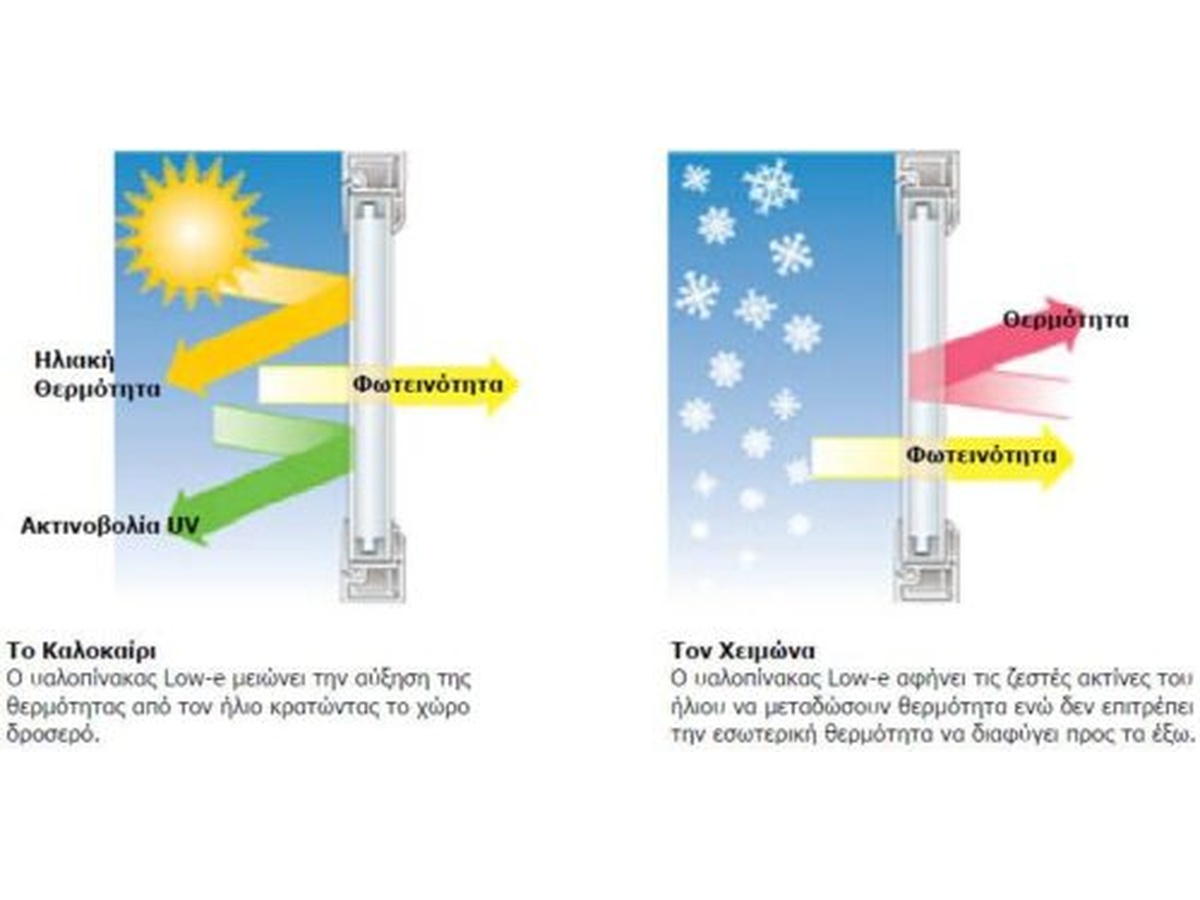
There is always some gas between double glazing units. This can be common air, Argon, etc. If Argon gas is used instead of air in double energy-efficient glazing, the thermal insulation coefficient (Ug-thermal transmittance coefficient) of the energy-efficient glazing unit increases by 0.3 W/m²K, and there is also a significant increase in the sound insulation of the glazing unit. On this specific topic, there is a reservation that Argon gas evaporates – escapes after 7 years. A double glazing unit is hermetically sealed (in the case of warm and cold sealing), because otherwise, the glass would fog up if there was even the slightest hole. A recent study by Guardian showed that after 7 years of use, in an energy-efficient glazing unit with Argon gas, the percentage of Argon gas loss was 3.8% (from 90% initial fill to 86.2%). Additionally, all energy-efficient glass with ARGON gas includes filling valves, in case we want to refill them. Fenestral installs Argon gas in all energy-efficient glass.
Warranty for Energy-Efficient Glazing and Certificates
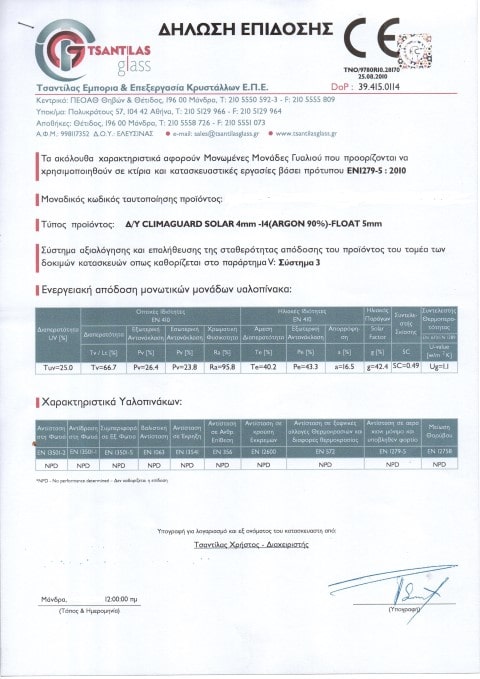
For all energy-efficient glass we deliver, we provide a 10-year warranty (against fogging). All glazing units are delivered with certificates from our supplier, which state the type of energy-efficient glazing (2-4 seasons) as well as all their coefficients (See sample photos).
Projects with this product
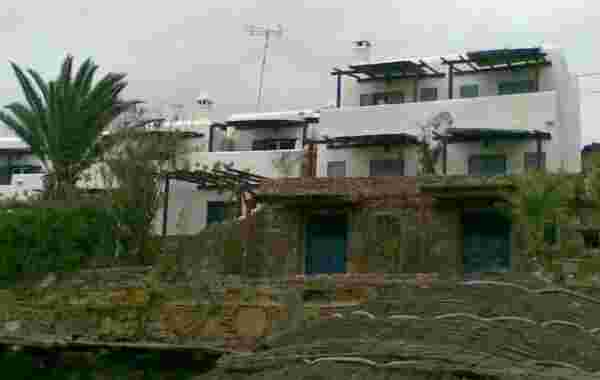
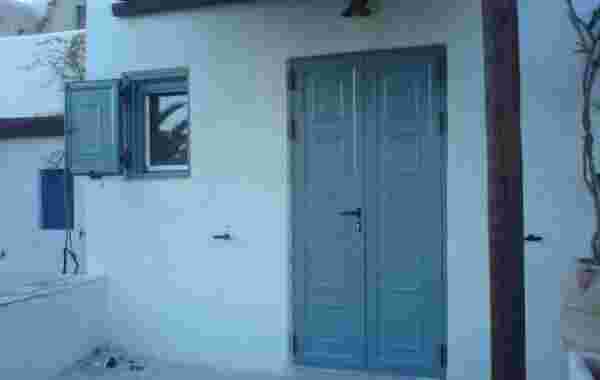
Mykonos Europa aluminum frames Ral 7040 color
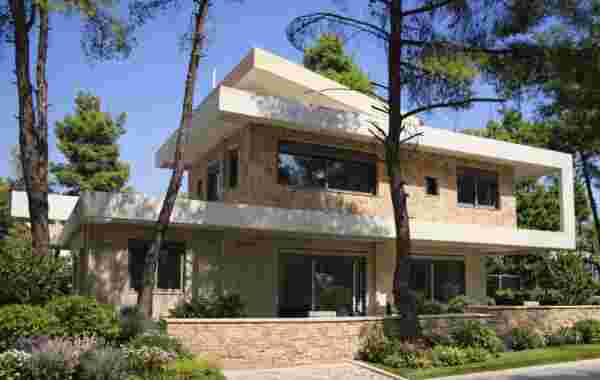
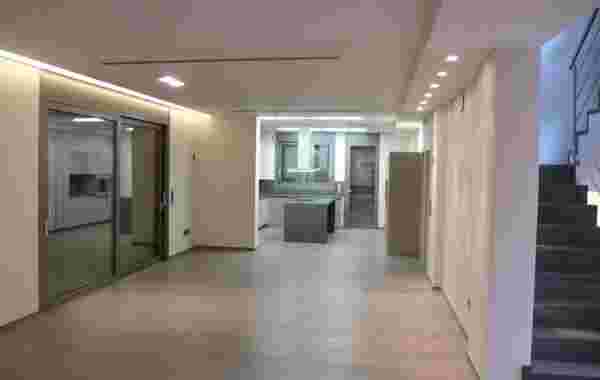
Kifissia aluminum frames Europa Ammos Ral 7042 color
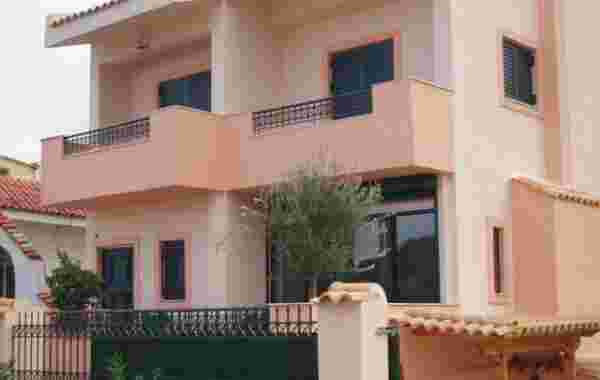
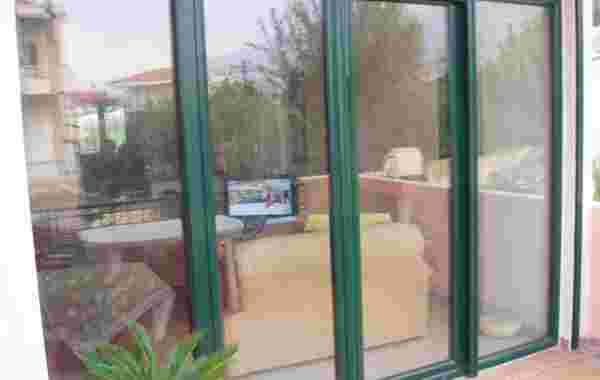
Nea Makri aluminum frames Ral 6005 color
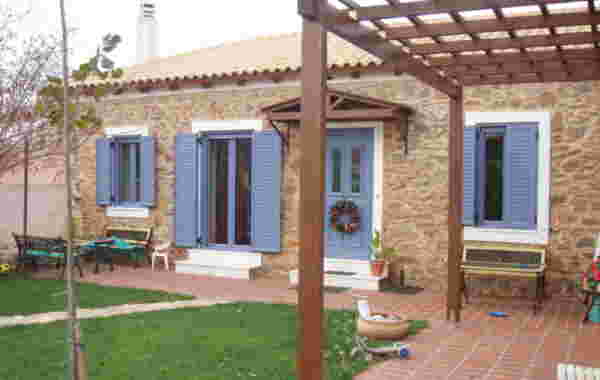
Markopoulo Europa aluminum frames in Ral 5014 color
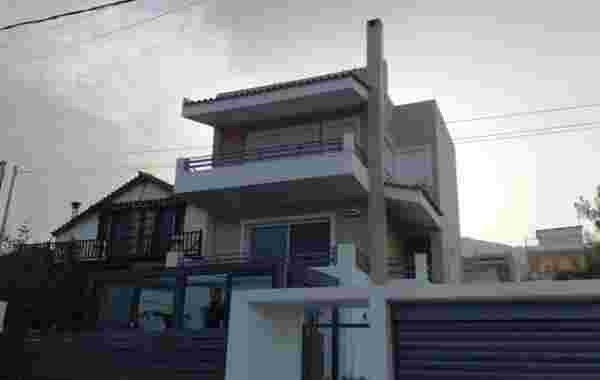
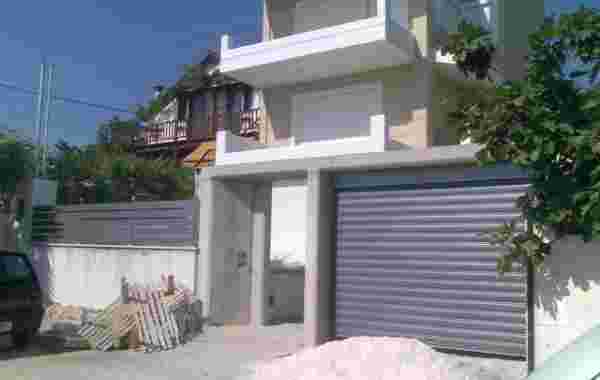
Loutsa Europa Frames Ral 9010 color