











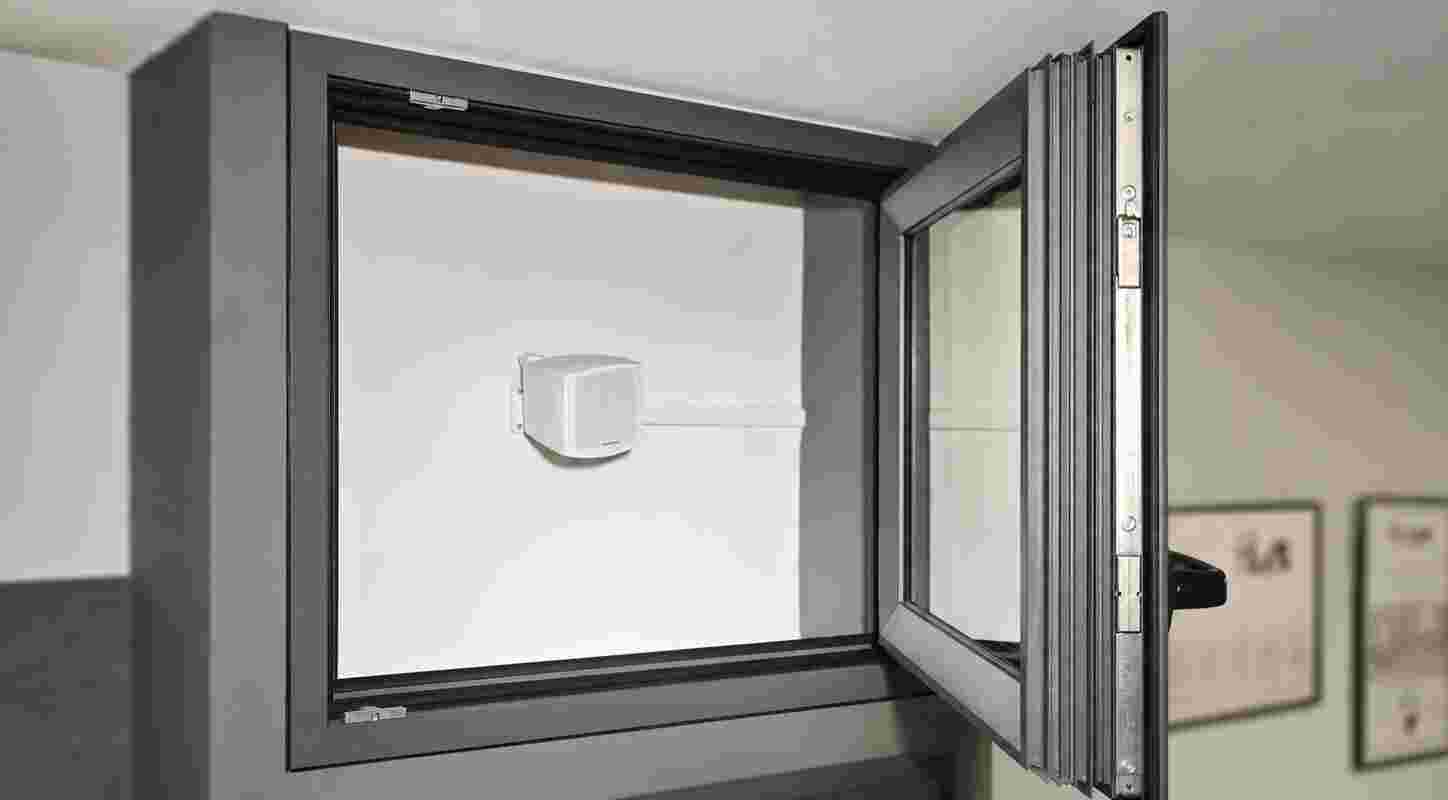
The sound insulation of a window in real conditions in an experiment.
We conducted a controlled experiment: a closed box with an integrated speaker producing continuous music sound, covered with an energy-efficient Europa aluminum frame equipped with sound-insulating glazing. No sound processing, no effects. What you hear is what the frame produces.
What we measure
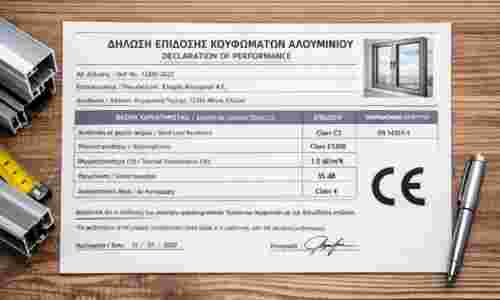
Soundproof windows are evaluated based on the Rw index (Sound Reduction Index) — which is expressed in dB and indicates how many dB the frame absorbs. The Europa systems we use achieve Rw values of up to 49 dB, depending on the glazing composition (e.g., sound-insulating glazing with acoustic membranes).
What you see in the video
With the frame closed, the sound from the speaker is significantly degraded. As soon as the window opens, the difference in noise level is immediately noticeable.
Technical parameters affecting performance
The sound insulation performance of a window depends on three factors:
- Glazing composition: Asymmetric glass sections, sound-acoustic glazing, and laminated glass increase absorption at low frequencies.
- Aluminum profile – frame: The Europa profile features special frame series for maximum sound insulation (see more on soundproof frames).
- Installation: The materials used for sealing – sound insulation of the joints.
Why it matters
In an urban environment, traffic noise ranges between 65–80 dB. A frame with an Rw of 40 dB reduces the perceived noise level indoors to below 35–40 dB — the level of a quiet office.
Read everything about sound insulation in our article soundproof frames.
FAQ — Frequently Asked Questions about Window Sound Insulation
What Rw do I need for a busy road?
For a road with moderate traffic (65–70 dB), a frame with an Rw of 35–38 dB is sufficient. For main roads or avenues (75–80 dB), an Rw of 42–45 dB with sound-acoustic glazing is recommended. The goal is to reach below 35 dB inside the house — a level corresponding to a quiet workspace and the permissible noise for healthy living.
Double or triple glazing for sound insulation?
Triple glazing is not always the best choice for sound insulation. What makes the difference is the asymmetry of the sections (e.g., 6/16/4mm instead of 4/16/4mm) and the use of laminated glass (sound-acoustic glazing with sound-insulating membranes). Triple glazing excels mainly in thermal insulation (U-value), not necessarily in sound insulation.
Does the quality of the frame affect sound insulation?
Yes, significantly. A high Rw glazing loses up to 30% of its performance if the frame is not airtight. Europa aluminum systems have specific technologies that ensure zero sound leakage from the frame.
Does sound insulation also help with thermal insulation?
Partially. The two characteristics often coexist — an airtight frame with high-mass glass performs well in both. However, optimization for sound insulation (Rw) and thermal insulation (Uw) requires a different glazing composition. At Fenestral, we first analyze the needs of the space and propose the correct composition for each case.
How much do soundproof frames cost compared to standard ones?
The cost difference primarily depends on the glazing choice. Soundproof glass with laminated glass and an asymmetric composition costs 15–30% more than a typical energy-efficient glazing — while the Europa frame remains the same. For most homes in urban environments, the investment pays off in quality of life and energy savings.