







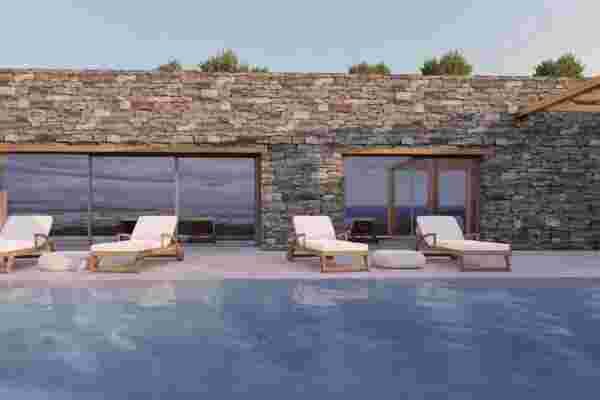




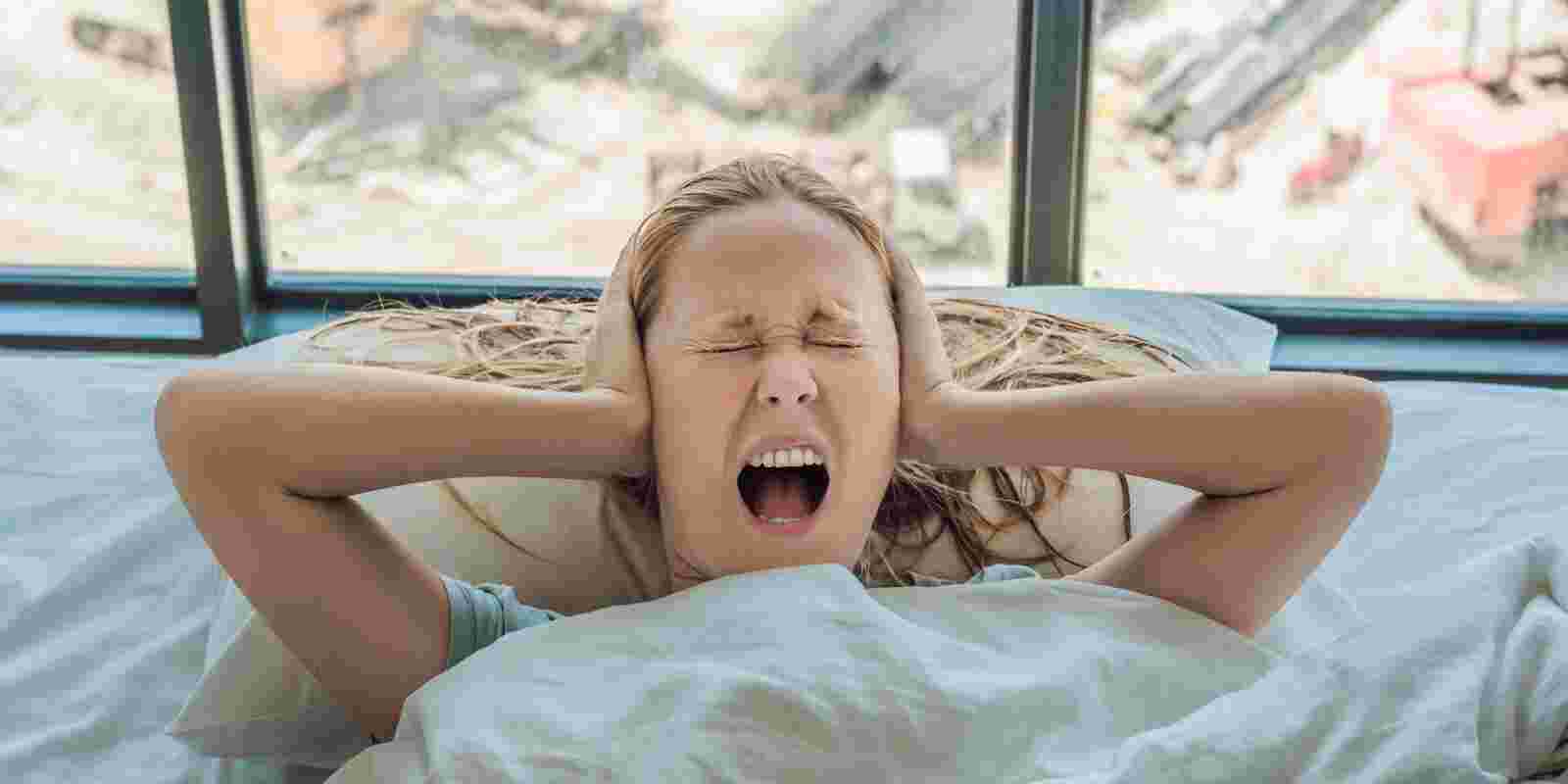
It is very important to choose soundproof aluminum frames, because today noise pollution is one of the main causes of degradation of the quality of life in cities. Greece is a pioneer in urban noise pollution issues and was referred to the European Court (16/06/2025) as it does not comply with European noise directives (2002/49/EC). Noise pollution is harmful to health, as it increases stress and creates multiple problems (it is estimated that noise pollution in Europe is the cause of 11,000 premature deaths and contributes to 41,000 cases of ischemic heart disease source: European Union 2025 – Kathimerini).
Soundproof aluminum frames are an investment made once that pays off daily and forever. Soundproof frames (window soundproofing) with soundproof glazing require specialized and multi-level knowledge, which is why in this article we will see exactly what we need to know before choosing soundproof aluminum frames, which features increase the sound insulation of frames, what the current legislation provides regarding noise in urban areas (noise from bars, pet barking) and much more.
What needs to be done before choosing the right soundproof aluminum frames.
The first thing we need to do, before we start looking for soundproof aluminum frames, is to measure and know the characteristics of the noise entering our home.
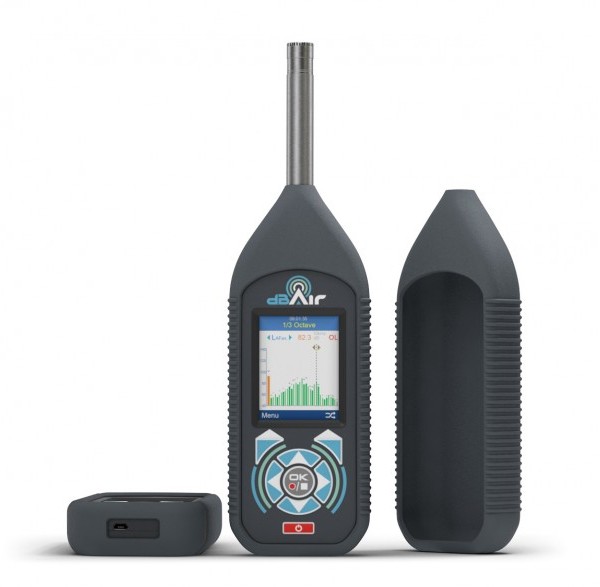
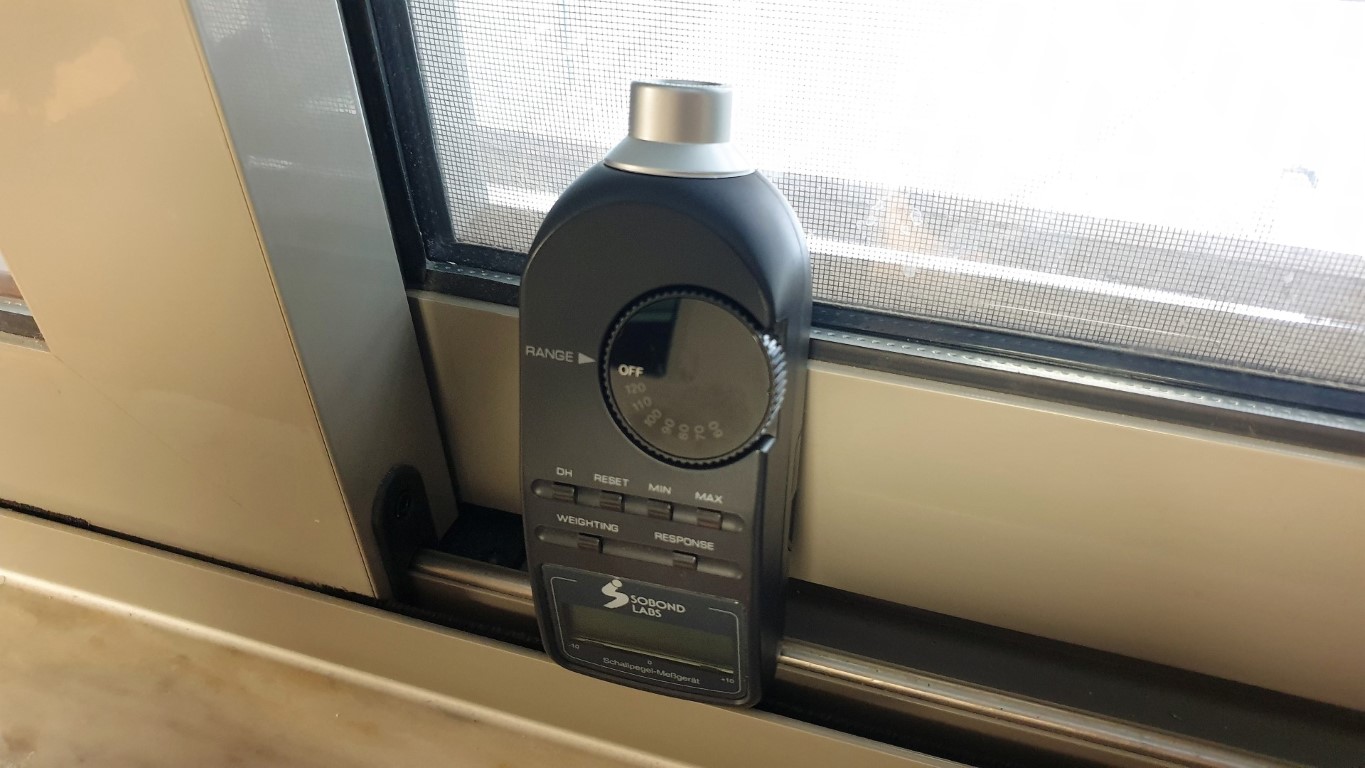
This is done using special noise measurement devices (decibel meter – sound level meter). Specialized manufacturers of soundproof aluminum frames visit our premises and, using these devices, measure the maximum noise levels in decibels, the frequencies of the noise (high – low frequencies), and also evaluate the type of noise that concerns us (airborne – impact noise). This specific process can last several hours or even a day, but it is necessary because these specific data (maximum noise level, frequencies, type of noise) will help us choose the appropriate sound-insulating (sound-absorbing) glazing. Here we should note that some sound-absorbing glazing performs better at specific frequencies, as we will see below, which is why it is essential for sound level meters to also analyze noise frequencies.
Let’s see, then, which factors affect the sound insulation of aluminum frames, i.e., the sound insulation capability of aluminum frames.
Soundproof aluminum profiles – aluminum.
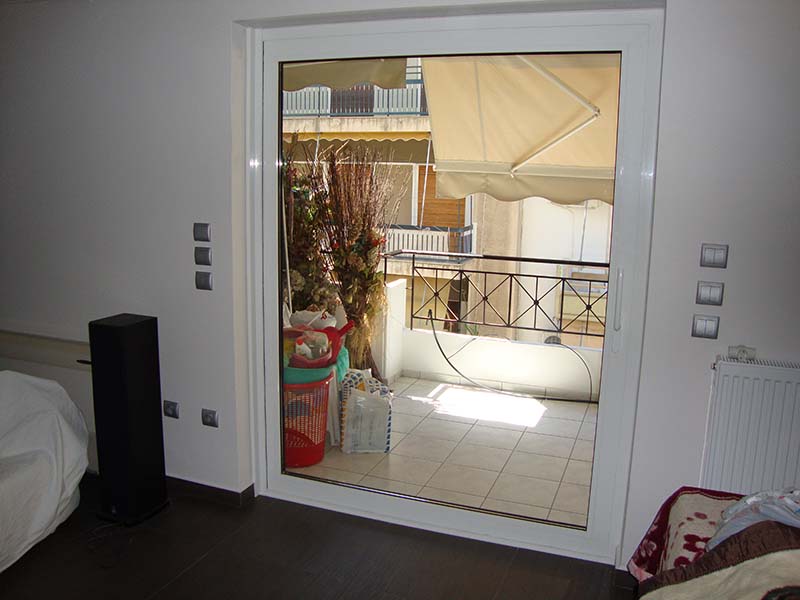
To achieve maximum sound insulation in aluminum frames, we use thermal break profiles, because the use of polyamide (which thermal break frames have) offers greater sound insulation. Here we must be particularly careful that the thermal break soundproof aluminum profiles – aluminum we choose are certified (by the companies that produce them, e.g., Europa, Alumil) so that we know their sound insulation properties, because many thermal break profiles have not undergone sound insulation tests, so their sound insulation capabilities are unknown.
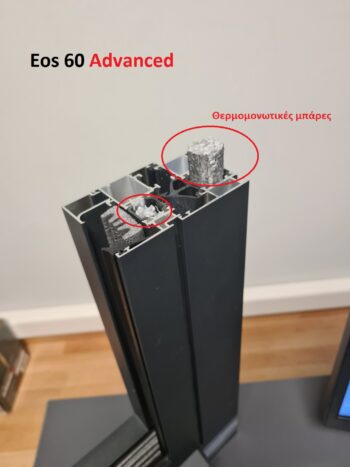
Here we should note that there are soundproof aluminum profiles – aluminum, which can, with the addition of special insulating materials inside their profile chambers, increase their sound insulation properties (e.g., Europa EOS-60).
Frame glazing (Soundproof glazing)
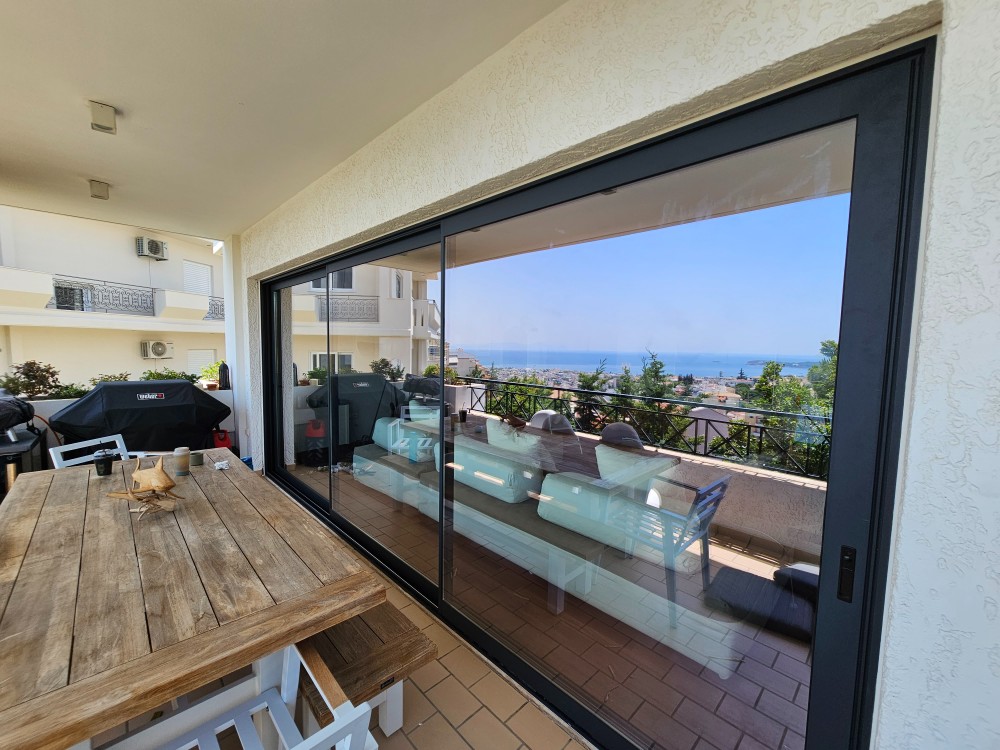
The most decisive factor affecting the sound insulation capacity of frames is the glazing. The greater the distance between the double panes (glazing gap), the more optimized the sound insulation, while after certain dimensions, the sound insulation decreases. Usually, the ideal gap between double glazing in relation to sound insulation is 20mm. Asymmetric glass thicknesses (different glass thicknesses) are better than symmetric ones, because this avoids simultaneous resonance of the panes. The case of Triplex glazing with sound-acoustic membranes – Sound control – soundproof glazing (and not simple Triplex glazing with simple membranes) is the best solution for soundproof aluminum frames, as we will see below.
Soundproof glazing – Acoustic (Sound-acoustic) membranes (Sound Control) and simple Triplex membranes
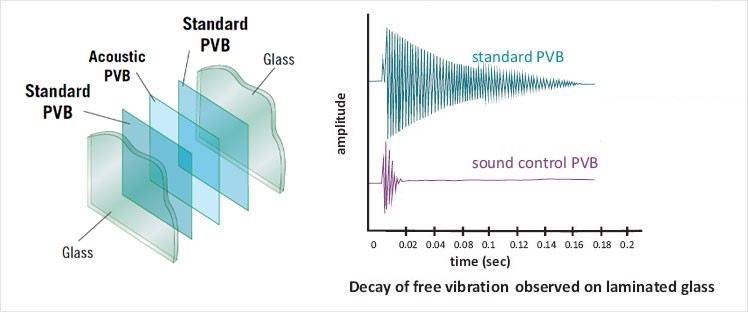
The PVB (Polyvinyl Butyral) membrane is a membrane inserted between two glass panes, achieving better sound insulation properties than simple glass panes (soundproof glazing). Sound-acoustic membranes (acoustic PVB) are not related to the simple (standard PVB) membranes used in simple Triplex Laminated Glass. Sound control glazing uses two or more acoustic – absorbing (sound-acoustic) membranes, increasing the desired effect and achieving significant sound absorption and reduction of its transmission, which can reach up to 51db. Therefore, soundproof glazing refers to glass panes with sound-acoustic membranes.
In the table below, we will see exactly how much more efficient Triplex soundproof glazing with sound-absorbing sound control membranes is compared to Triplex glazing with simple PVB membranes
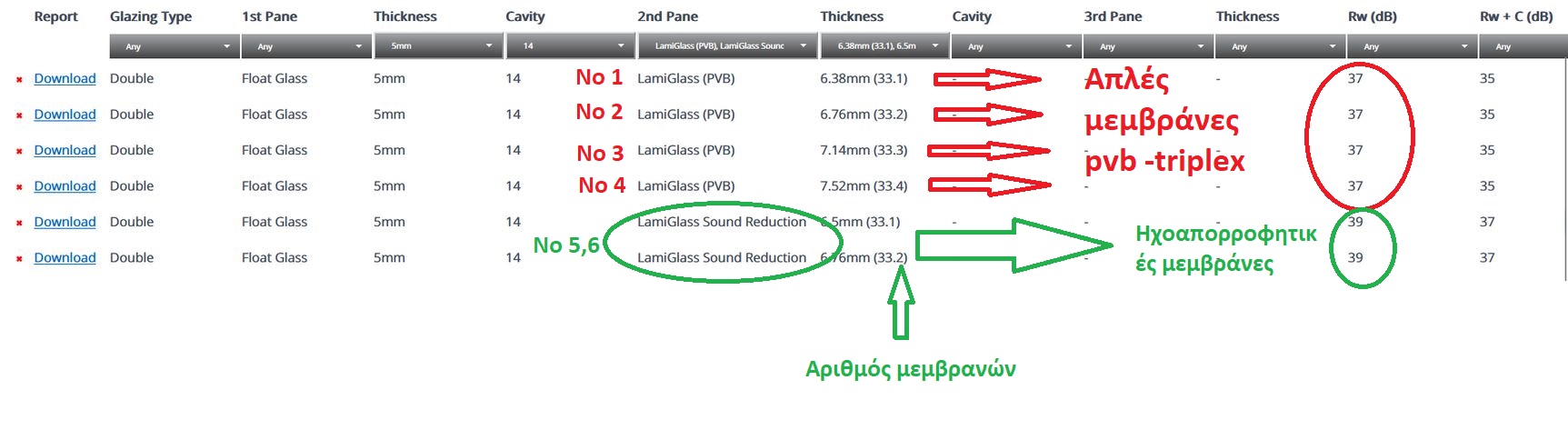
The first four panes in red are simple Triplex panes with simple PVB membranes. Pane No. 1 has 1 simple membrane, No. 2 has 2 simple membranes, No. 3 has three, and No. 4 has four. As we can see from the table, its sound insulation capability is 37db.
Panes No. 5, 6, in green, are Triplex soundproof panes with acoustic membranes (one acoustic for No. 5 and two for No. 6) – soundproof glazing. As is easily apparent, even one acoustic membrane within Triplex panes performs better (39db) compared to Triplex panes with four (!!!) membranes.
Window soundproofing and which aluminum frames are the best
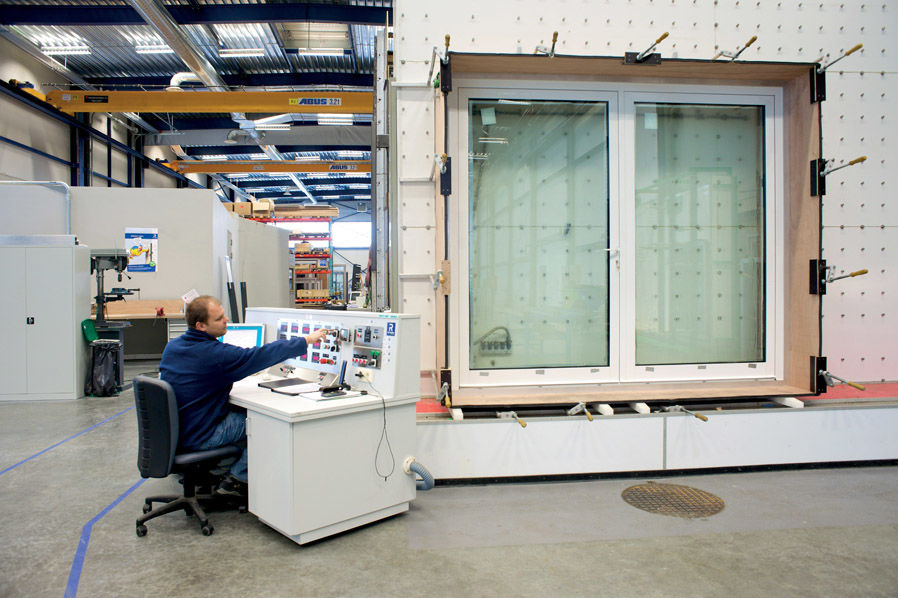
Each aluminum profile manufacturing company (e.g., Europa, Alumil) has dozens of series (e.g., Europa 5500, Eos 60, etc.) to meet all requirements. In order to determine window soundproofing and which aluminum frames are the best, we need to look for the of each series to ascertain its sound insulation properties (Rw index).
Companies that produce aluminum profiles (e.g., Alumil, Europa, etc.), when creating a series (e.g., Europa 5500), construct a frame (specimen) and test it in special laboratories to check its capabilities regarding sound insulation, thermal insulation, etc. (see more in aluminum frame certificates). The test result is expressed in db – decibels and shows the sound insulation capabilities of the frame – series that was tested (Rw of the frame). Here we should note that several frame series have not undergone sound insulation tests, so they do not have sound insulation certificates and consequently we do not know their sound insulation properties.
What is the Rw – sound reduction index for frames?
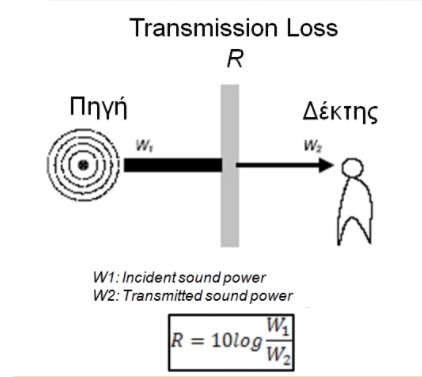
The Rw sound reduction index expresses a frame’s ability to reduce the acoustic energy passing through it and is measured in decibels – dB.
However, an aluminum window mainly consists of two materials: aluminum profiles and glazing. These two materials have different sound insulation indices, and their area (how much aluminum and how much glass there is in a window) critically affects the result of a measurement. Therefore, we should not look only at the sound insulation index of the glazing – glass (e.g., 50db glass) but at the overall sound insulation index of a frame – Rw.
Why frequency analysis is necessary for choosing soundproof glazing.
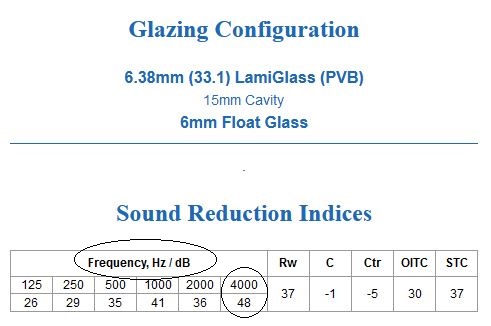
There are dozens of glazing options on the market for all needs. Each soundproof – sound-absorbing glazing has specific characteristics and performs better at specific sound frequencies. In the table above, we see that this particular glass performs better at 4000hz (48db) compared to 2000hz (36db). As is easily understood, the difference is huge. Sound analysis and knowledge of frequencies are crucial, because they can save us a lot of money due to incorrect glass selection or the use of glass in our soundproof frames that does not perform.
What to look for in frame sound insulation certificates to identify the best windows for soundproofing (window soundproofing).
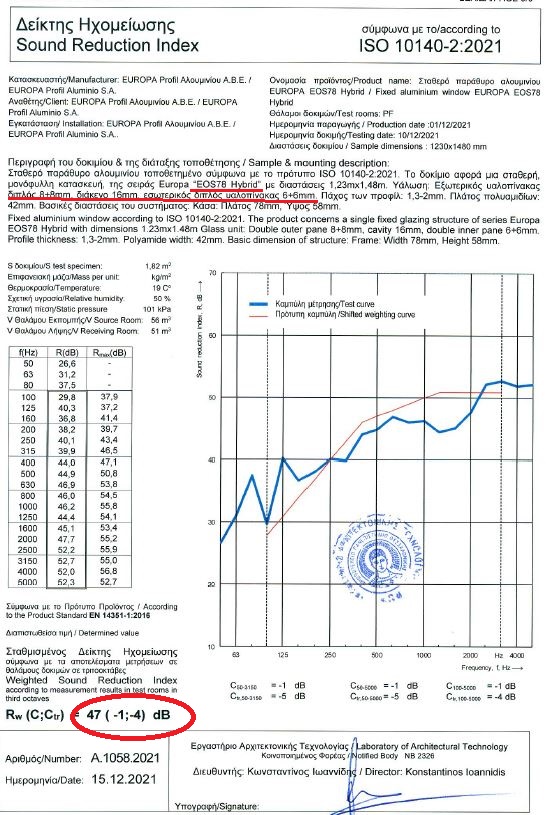
To determine if an aluminum series is the best for window soundproofing, it is not enough to just have a good certificate (high Rw – decibel).
As mentioned above, companies that produce aluminum profiles (e.g., Alumil, Europa, etc.), when creating a series (e.g., Europa 5500), construct a frame (specimen) and test it in special laboratories to check its capabilities regarding sound insulation. The dimension of the specimen, its type (opening or fixed), and especially the glazing used during the test critically affect the test result. For example, if a 240cm x 220cm frame and a 140cm x 140cm frame have been tested, the frames are not the same in dimensions, so the results cannot be compared. The same applies if the 1st frame is fixed and the 2nd is opening, but most importantly, even if we compare two identical frames (dimensions and type), if one of the two specimens has glazing with better sound insulation capabilities (better glass), it is normal to have a better final result in the final measurement and in the sound insulation certificate.
In conclusion, when comparing two frame series in terms of their sound insulation (window soundproofing), we should not only look at the result of these certificates (e.g., that the specific series has 50db sound insulation) but seek out their certificates and observe the dimension, type, and especially the glazing used in the frames (specimens) that were tested. Finally, we should note that there are aluminum profile manufacturing companies that do not make their test certificates publicly available, which makes the results they present indeterminate.
The problem of sound insulation with new energy-efficient roller shutters
A major problem with the performance of frames with external roller shutters and sound insulation is their certificates, as almost no frame design company (e.g., Europa, Alumil, etc.) has tested roller shutter boxes, so if you have roller shutters, you will not know exactly the sound insulation capabilities of new frames with roller shutters. Empirically, we will tell you that roller shutters, even the new energy-efficient ones, significantly reduce the sound insulation levels of a frame and have differences with frames – glazing of the order of 10%. So, if you can, avoid roller shutters as external coverings or acquire certified ones.
Which aluminum windows – series are the best for sound insulation?
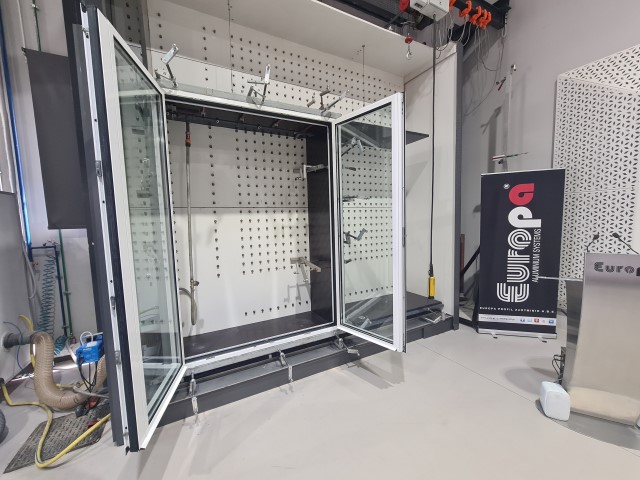
Europa aluminum frames are known for the high levels of performance they provide in terms of thermal and sound insulation. Europa has sound insulation certificates for almost all its series. Unfortunately, all aluminum frames that have been tested for sound insulation do not have the same dimensions or identical glazing, so they are not all comparable. The best series for window sound insulation are:
Opening soundproof aluminum frames Europa
- Europa A40 with sound insulation Rw = 47db (see Europa A 40 aluminum frames)
- Europa 5500 with sound insulation Rw = 45db (see Europa 5500 aluminum frames)
- Eos 78 with sound insulation Rw = 47db (see Europa Eos 78 aluminum frames)
Lift-and-slide soundproof aluminum frames Europa
- Europa Ess -A40 with sound insulation Rw = 45db (see Europa ESS A 40 aluminum frames)
- Europa Ess -47 with sound insulation Rw = 38db (see Europa ESS -47 aluminum frames)
What else critically affects the sound insulation capability of a frame?
The type of openings (opening – sliding, etc.)
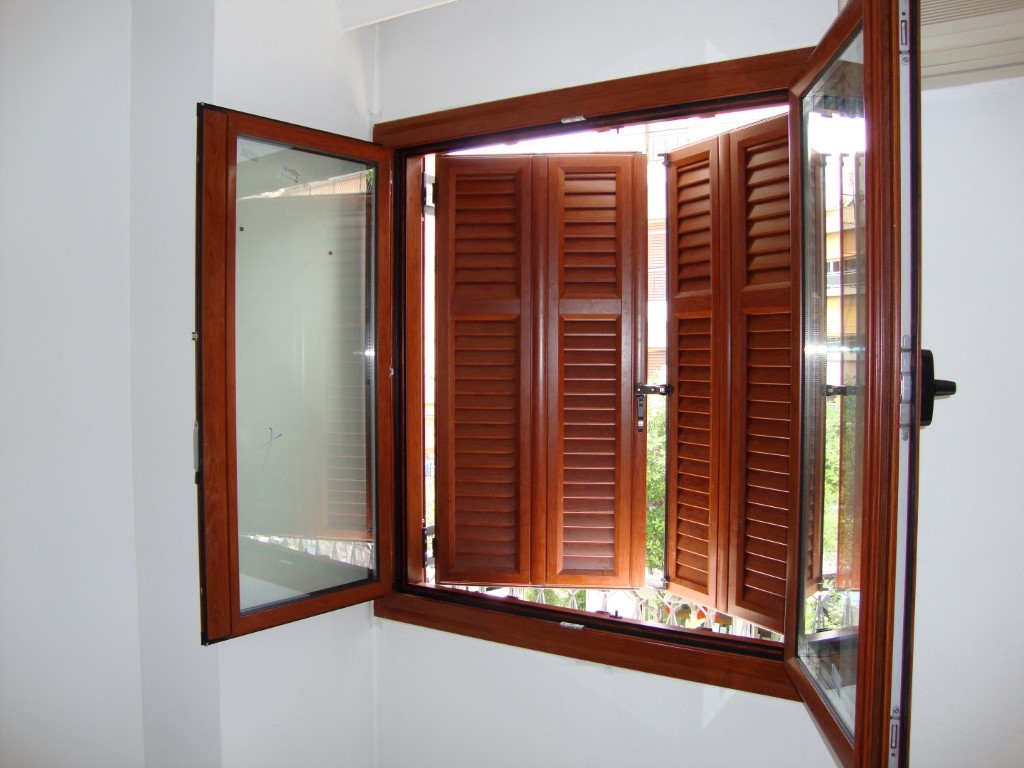
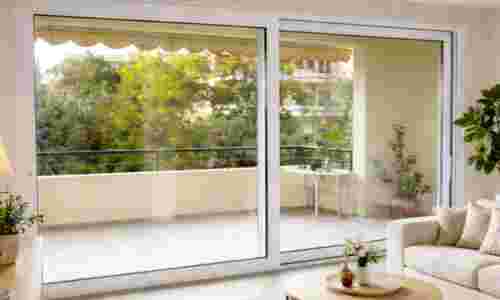
The type of opening (hinged, sliding, etc.) seriously affects the sound insulation of our windows and balcony doors. Hinged frames, due to their perimeter mechanisms and foam gaskets, have better sound insulation capabilities than sliding frames that insulate with brushes. At this point, we must distinguish lift-and-slide frames which also use foam gaskets. Below we will see ways to improve the sound insulation of sliding frames.
Aluminum roller shutters and soundproof roller shutter boxes (roller shutter sound insulation).
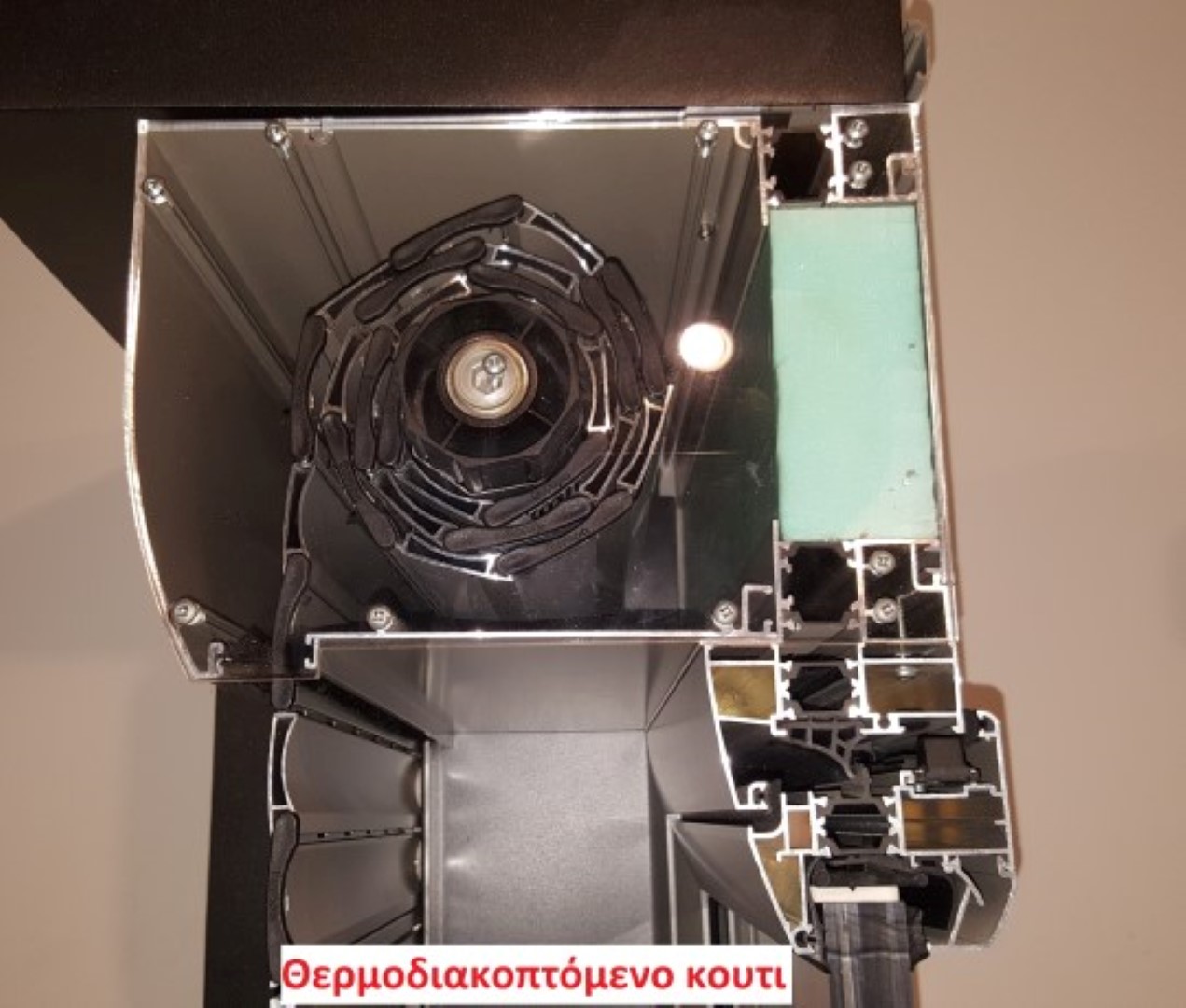
Another factor that should be taken into account are thermal break roller shutter boxes, which include both a thermal break and special insulating materials (Dow, etc.) inside them to increase thermal-sound insulation (roller shutter and box sound insulation), in contrast to simple aluminum boxes that offer absolutely no protection.
Sealing – insulation of old roller shutter boxes
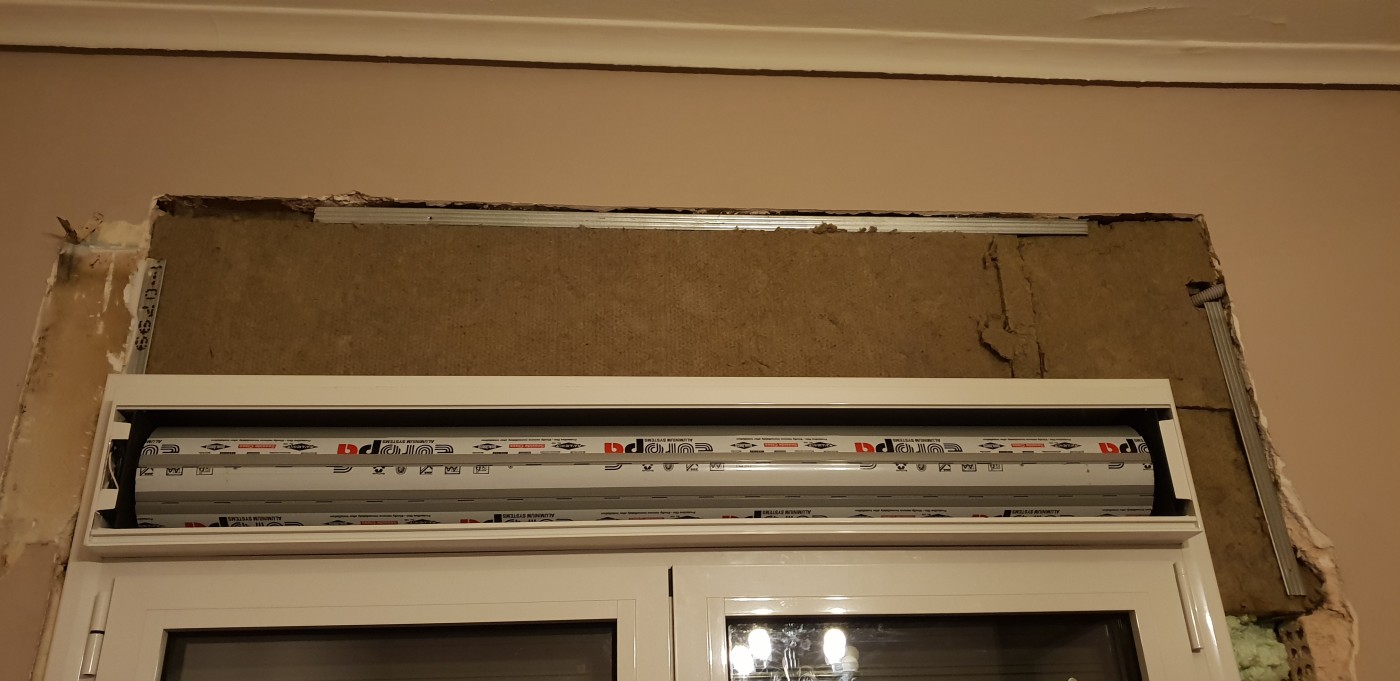
It is also imperative to insulate – seal the hole – gap of the old roller shutter boxes above our new thermal break roller shutter boxes (not simple ones) so that sound is not transmitted above them.
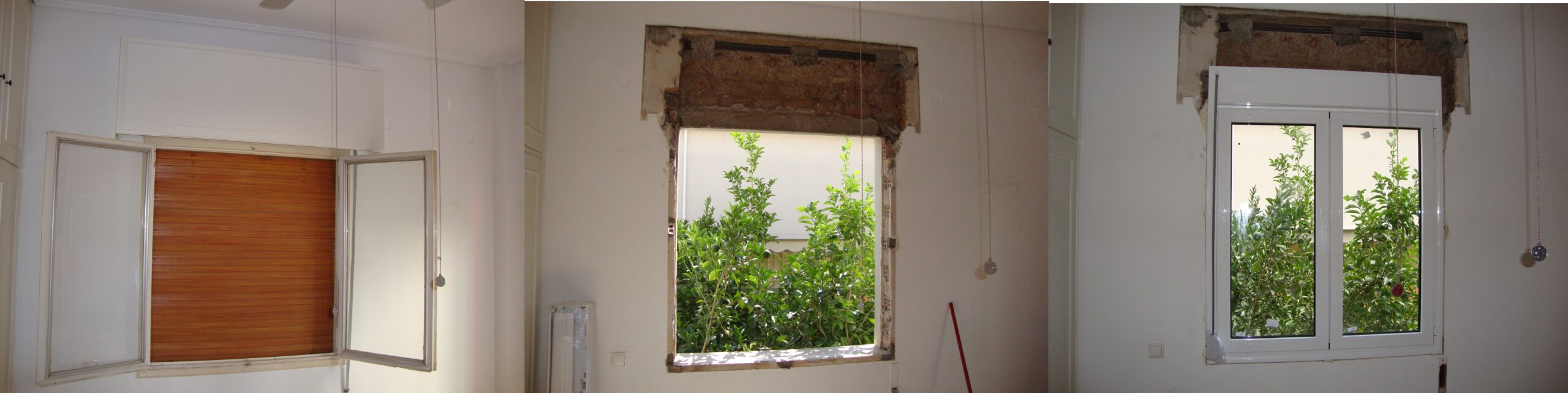
The use of rock wool (50mm) is ideal, as it does not add weight to the new box. See how you can insulate your old wooden roller shutter boxes.
Sound insulation of frame joints.
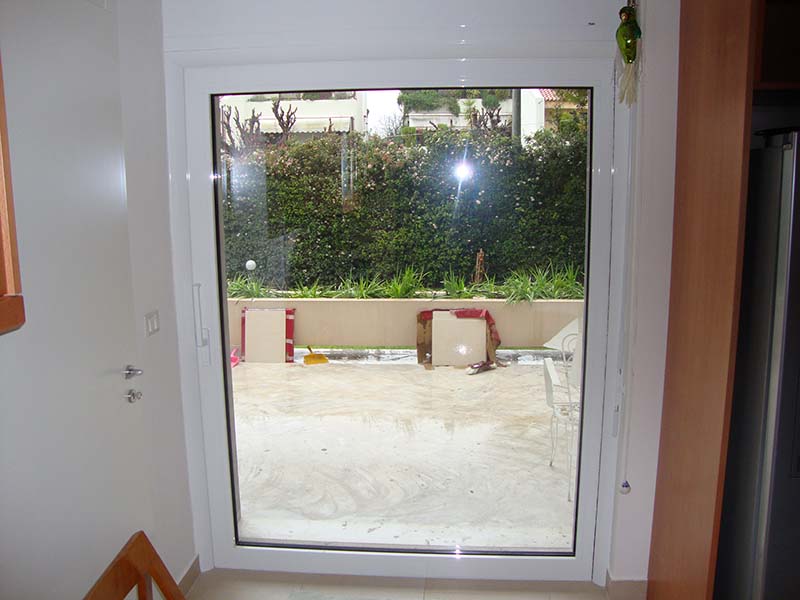
The installation of frames and the sealing of joints between the window and the wall play a decisive role in the sound insulation of frames. There are various insulating materials with different performances and properties regarding sound insulation, which are affected by their microcellular structure, their density, and vary among companies. These include specific polyurethane foams and 2-component polyurethane foams with sound insulation up to Rw 63db (special foams for sound insulation), elastic insulating materials with 59db sound insulation, 150mm rock wool, and sprayed corks that can reach 60db.
Finally, for both soundproof windows and soundproof aluminum frames, it is advisable to have a larger air gap from the masonry, so that special insulating materials can be applied, but mainly to reduce impact noise and not just airborne noise.
Filling – stuffing of aluminum profiles
Finally, in cases of high demands, thermal break aluminum profiles can be filled with various materials (sand, foams) for optimal results.
General characteristics and properties of sound
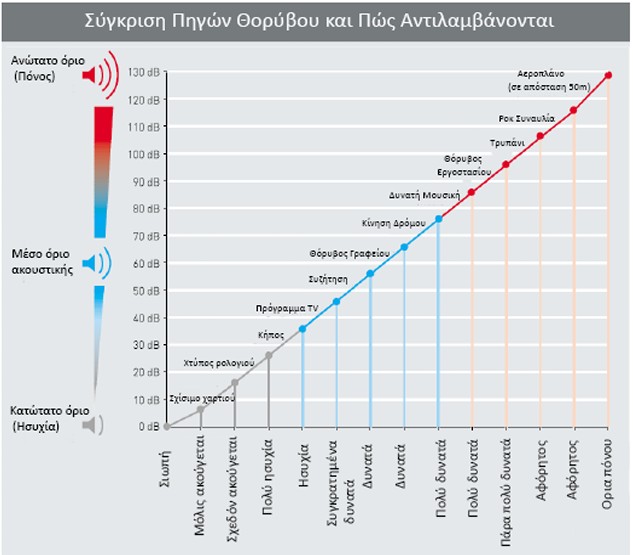
The main characteristics of sounds are frequency, intensity, and timbre. The ear of a healthy, young person can perceive sounds with frequencies from 16 Hz to 20,000 Hz. In reality, the human ear perceives sound intensity in correlation with its frequency, e.g., a 50 dB noise at 250 Hz is perceived as much weaker than a 1000 Hz noise of equal intensity. The unit of measurement for Sound Pressure Level is 1/10 of a Bell, our familiar decibel (dB). dB is a logarithmic unit, meaning it can express large magnitudes with relatively few numerical digits. To better understand the difference in magnitudes measured in dB, let’s assume that to create a 50 dB sound, a certain power is required. If we double the power, the result we get is not 100 dB but 53 dB. Thus, a 3 dB difference refers to a 50% reduction in intensity. To simplify the selection process, sound insulation categories for frames have been established: category 1 (25-29db), category 2 (30-34db), category 3 (35-39), category 4 (40-44db), category 5 (45-49), and category 6 (>50). To better understand the magnitudes, we list characteristic noise levels: airplane takeoff 120db, car horn 90db, road traffic 60db, conversation 55db, soft music 40db, whisper 30db.
According to the existing European Union regulation, the maximum permissible noise levels in buildings are defined as follows:
| TYPE OF SPACE | MAXIMUM NOISE LEVEL dB |
| Offices | 35 |
| Residences Day | 30-35 |
| Residences Night | 20-25 |
| Theaters | 25 |
| Hospitals | 26 |
Noise levels
Characteristic noise levels
| DESCRIPTION BASED ON TOLERANCE | NOISE LEVEL dB | SOURCE OR AREA |
| Barely tolerable noise | 120 – 110 | Airplane engine at takeoff at 100m, Hammer blows on steel, Ironworks, Copperworks, Pop music orchestra |
| Very annoying noise | 100 | Pneumatic drill, Forging |
| Noisy environment | 90 – 80 – 70 | Symphony orchestra, Car horn, Chamber music |
| Normal speech or music | 60 | Average factory, Noisy restaurant, Noisy office |
| Normal speech or music | 50 | Noisy apartment |
| Quiet | 40 | Normal office, Soft chamber music |
| Very quiet | 30 – 20 | Quiet residence, Quiet garden |
| Abnormal (and annoying) quiet | 10 – 5 – 0 | Very well insulated laboratory, Minimum audibility level |
Current legislation regarding noise (how much noise is allowed inside apartments)
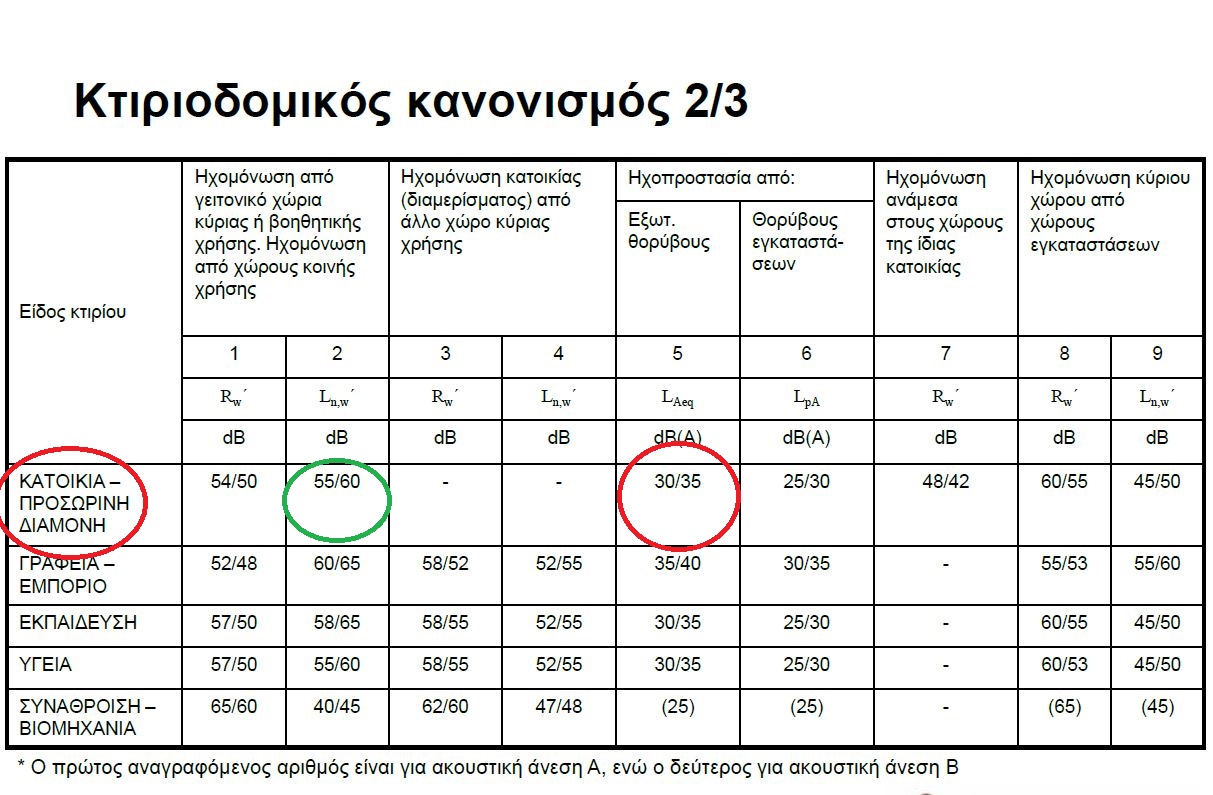
Article 12 of the building code, in force in Greece since 3/2/1989, defines the average hourly sound level that every building must have and how much noise is allowed to ‘pass through’ into apartments. As we can see from the table, the average hourly sound level in residences should be 30 – 35db for airborne noise. This practically means that inside our apartment, there should not be average hourly values above 30-35 db in the case of airborne noise. 30 db is the maximum acceptable value that should exist inside a bedroom in the case of sleep according to the World Health Organization (see Table No. 2).
The same value, but for impact noise (e.g., knocks from the apartment above), should be 55 – 60 dB. Download the building code from our library (How many decibels are allowed in a residential area) and other useful documents related to soundproof aluminum frames.
Current legislation regarding pets and entertainment centers based on the World Health Organization
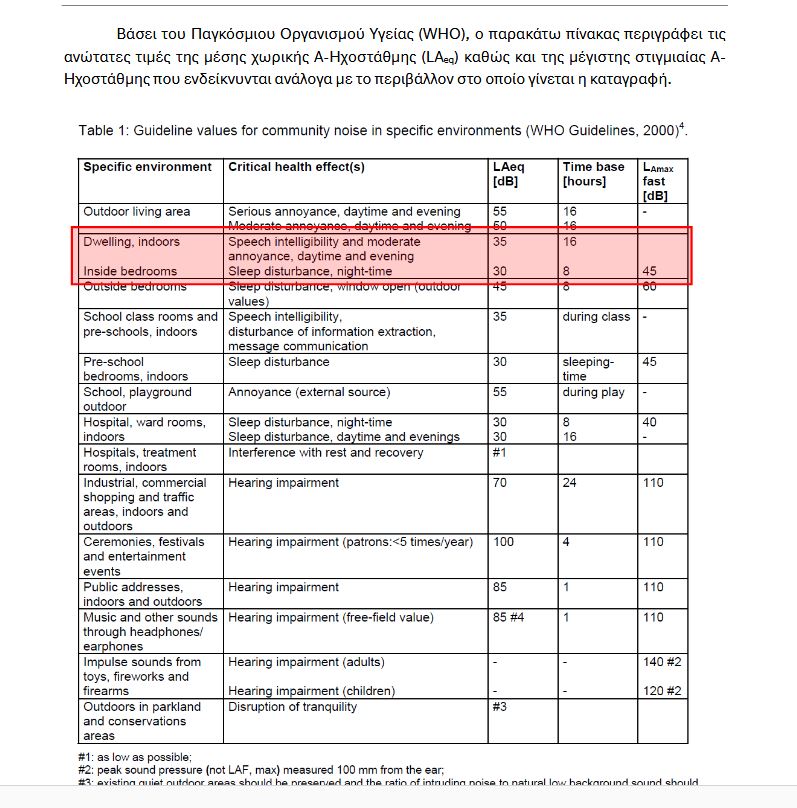
Current legislation is now very strict regarding the sound insulation of our homes and noise. The main sources of annoyance in urban centers are noise caused by entertainment centers and bars, as well as noise from pets (e.g., dog barking). See the current legislation concerning sound insulation and noise from pets (barking) or entertainment centers..
The above table, from the World Health Organization, applies in most cases in Greece, so see above what noise levels are allowed for each type of construction (residences – bedrooms, entertainment centers, hospitals, etc.).
Sliding recessed frames and sound insulation
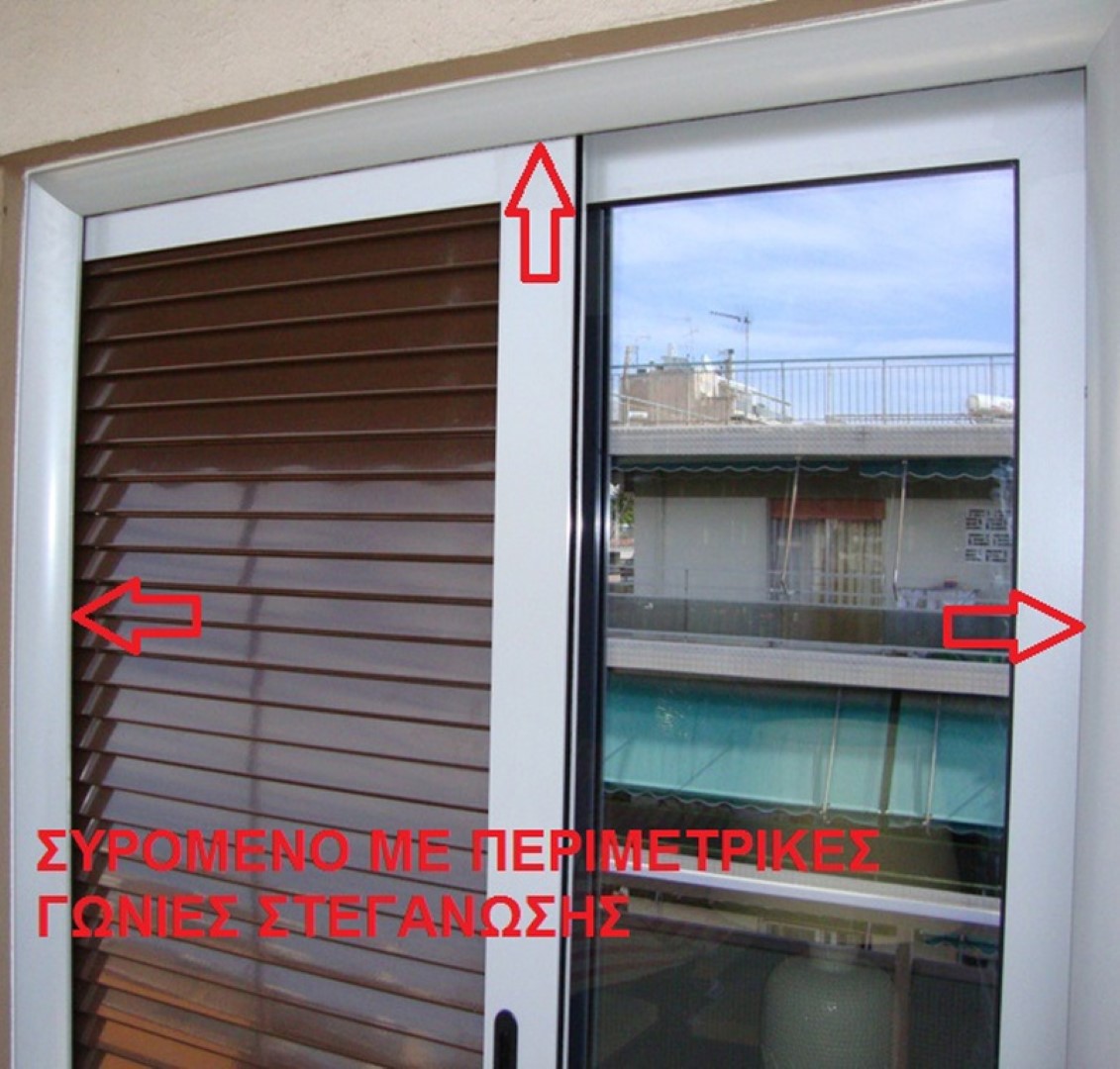
As mentioned above, the ideal frames for sound insulation are hinged frames. If, for space-saving reasons, we cannot install hinged frames, the following solutions are available for sliding recessed frames:
- Installation of VW-type sliding aluminum frames which are the best sliding frames in terms of sound insulation due to their perimeter mechanisms
- Installation of lift-and-slide recessed thermal break frames which, compared to simple sliding frames, have the advantage of using elastic seals – rubbers for their insulation instead of simple brushes, thus increasing their thermal-sound insulation properties (watch video on the use of soundproof sliding frames in combination with acoustic glazing and see the difference).
- The use of perimeter sealing corners on simple sliding frames, which increase their thermal-sound insulation properties. See how to increase insulation in sliding frames.

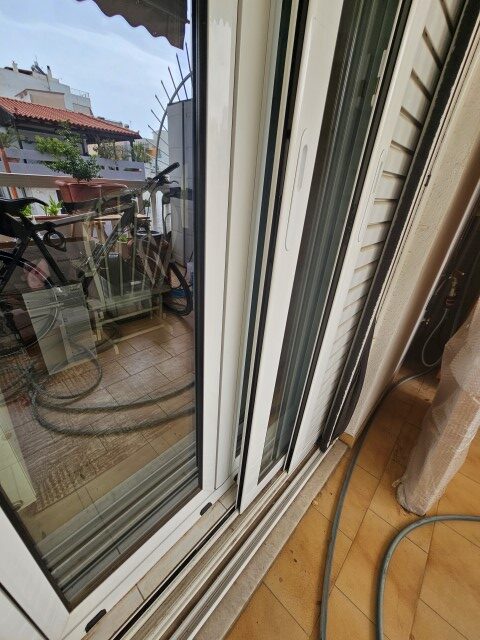
- Finally, one way to dramatically increase the sound insulation of sliding recessed frames is to install new hinged frames with soundproof glazing, without replacing the old recessed frames, behind the old sliding frames. In this way, we create a ‘wall’ consisting of two frames (old and new), keeping our old shutters and dramatically increasing sound insulation in the rooms where we implement this.
Fenestral and soundproof aluminum frames
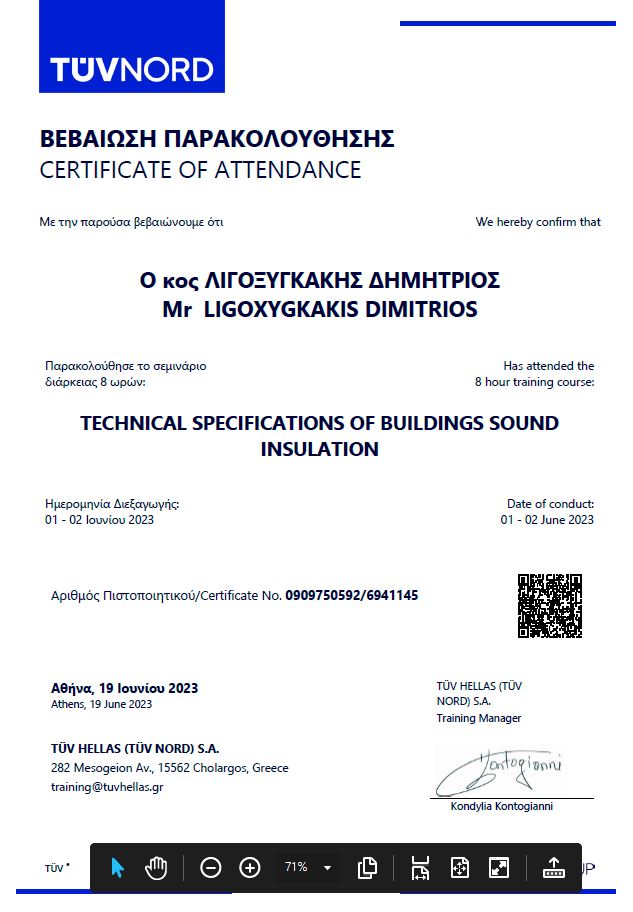
Fenestral’s staff, in collaboration with TUV, the largest training and certification body, continuously trains its personnel in relation to frame sound insulation (see frame certificates). In all projects undertaken, our engineer visits the site and, using special sound level meters – decibel meters, measures and analyzes the respective conditions, in order to select the appropriate soundproof frames.
Fenestral uses certified soundproof Europa aluminum frames in cases where there are increased sound protection needs and collaborates with Guardian for acoustic – sound-absorbing glazing, where for each project, certificates for all materials (e.g., sound insulation certification for glass – soundproof glazing) as well as performance declarations for the frames are provided.
Finally, at Fenestral, we apply a specific protocol when optimal sound insulation is required, regarding the sealing materials applied to the frames, their air gap, and the aluminum profiles chosen for frame sound insulation.
What are the health effects of noise pollution according to the World Health Organization
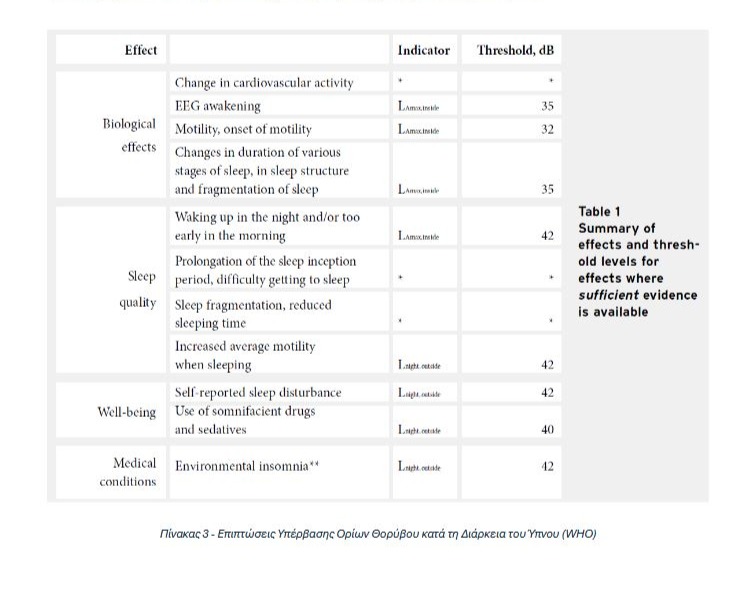
The effects of noise pollution on our health are significant and in some cases can be dangerous. According to the World Health Organization, exposure to high noise levels, especially in homes and during sleep, can cause changes in cardiovascular frequency, gastrointestinal problems, nervous system problems, difficulty waking up in the morning, and difficulties at work, etc.
A study communicated to the European Union in 2025 blames noise pollution for contributing to 11,000 premature deaths and 41,000 cases of ischemic heart disease. Greece was referred to the European Court for noise pollution in urban centers (21/06/2025).
See how effectively soundproof aluminum frames perform in real conditions
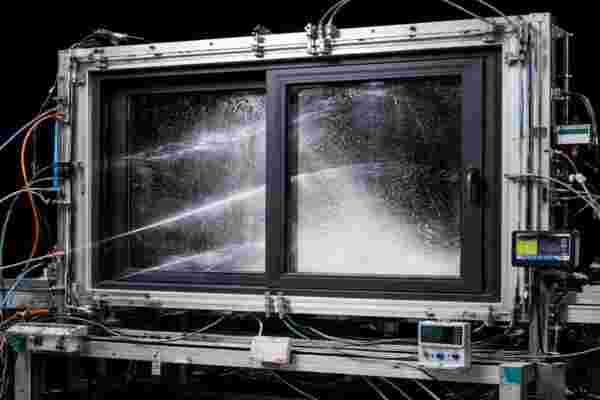
Watch two videos on how well Europa-Fenestral soundproof aluminum frames perform
- Video with a real experiment for soundproof windows
- Video with Fenestral aluminum frames installed
For all the above reasons, invest some extra money in the glazing of your home, and especially your bedrooms, because this investment will stay with you daily and forever. Sound insulation of aluminum frames is an investment that will stay with you daily and for life. Choose soundproof aluminum frames and improve your quality of life at home.