












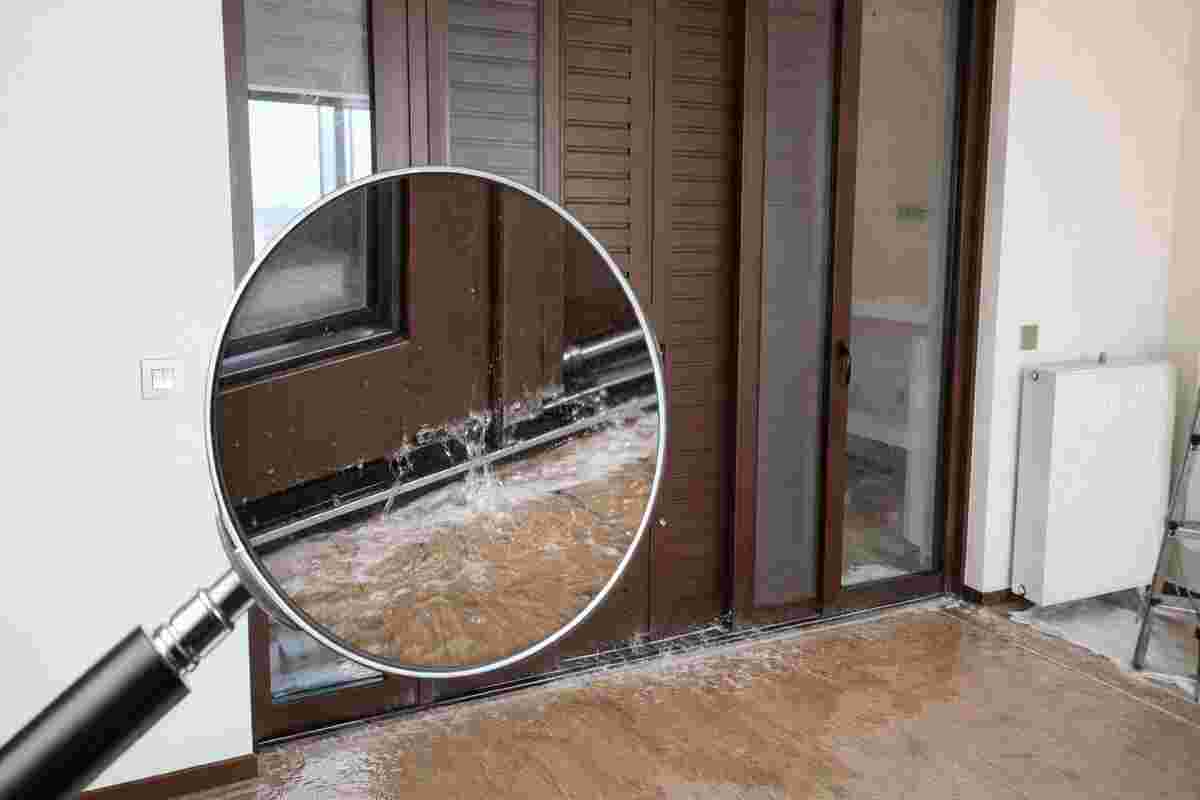
Old and new sliding recessed frames that leak water
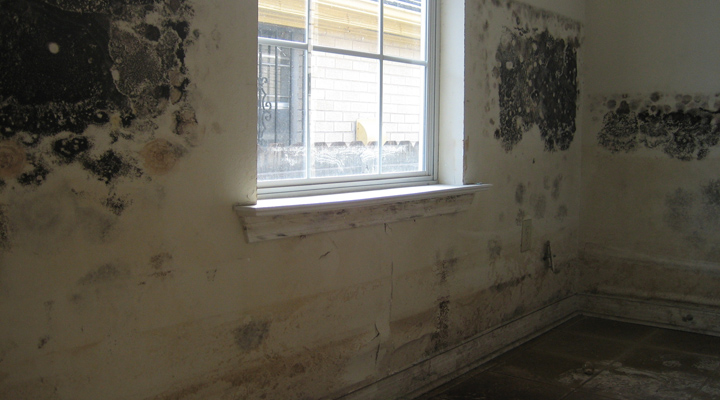
A common phenomenon observed in residences with sliding recessed frames is humidity and, by extension, corrosion and peeling paint on the walls. Specifically, we often observe significant humidity and paint peeling from the walls in areas where the sliding recessed frames enter (recess) into the wall, especially at the bottom (photo of sliding recessed frames that leak water).
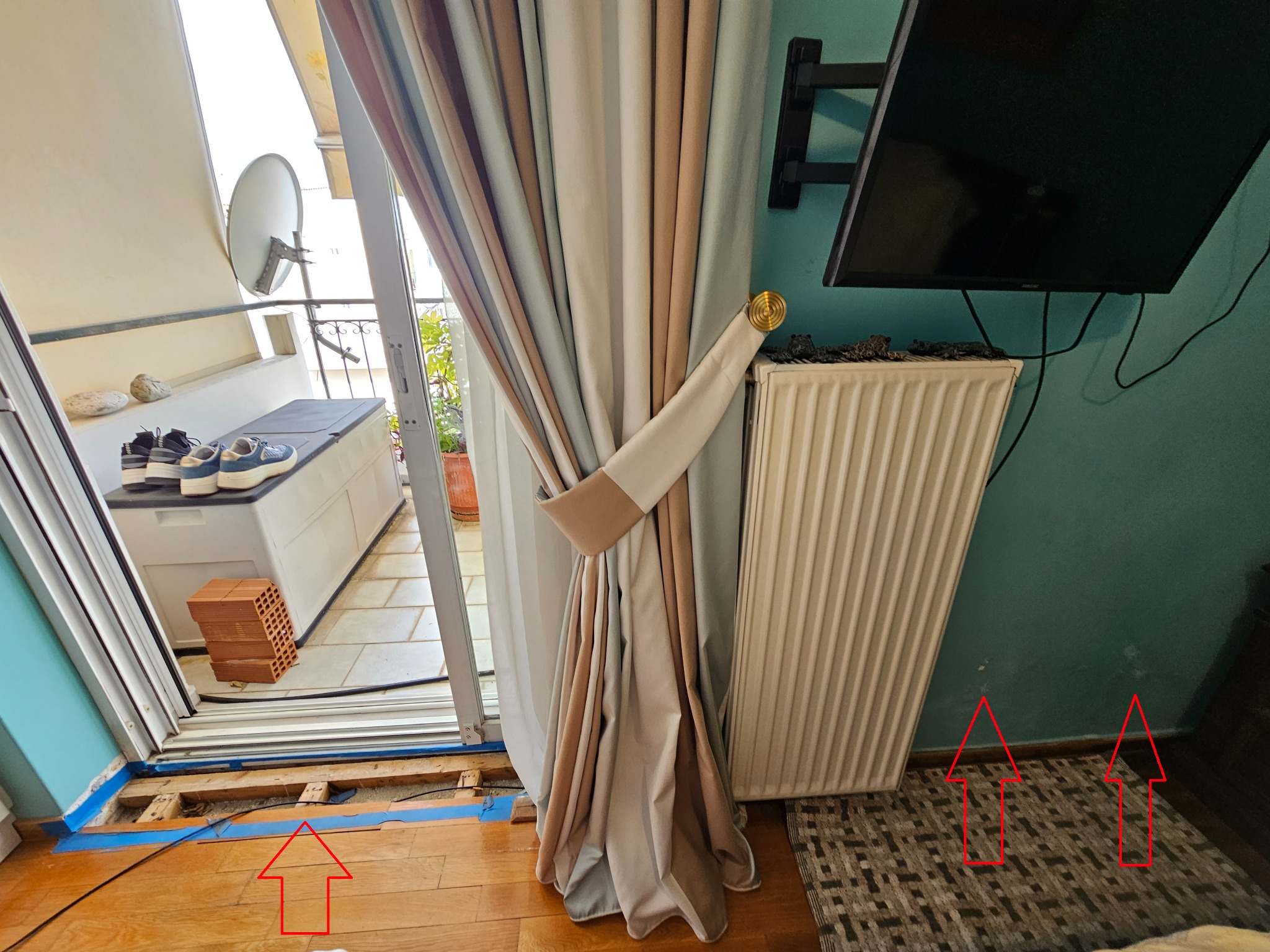
This phenomenon is quite common and is observed in both old and new aluminum sliding recessed frames.
The cause is usually that sliding recessed frames that leak water do not have a way to stop water from entering the guides of the sliding frames. Specifically, a large portion of rainwater or water used by homeowners to wash their balconies falls into the guides (channels) of the sliding recessed frames. From this amount of water, a part is drained through the holes (drains) in the sliding frame guides, and a part is directed, through the guides, into the tunnel (opening) formed by the masonry for the recessed frames and drains there.
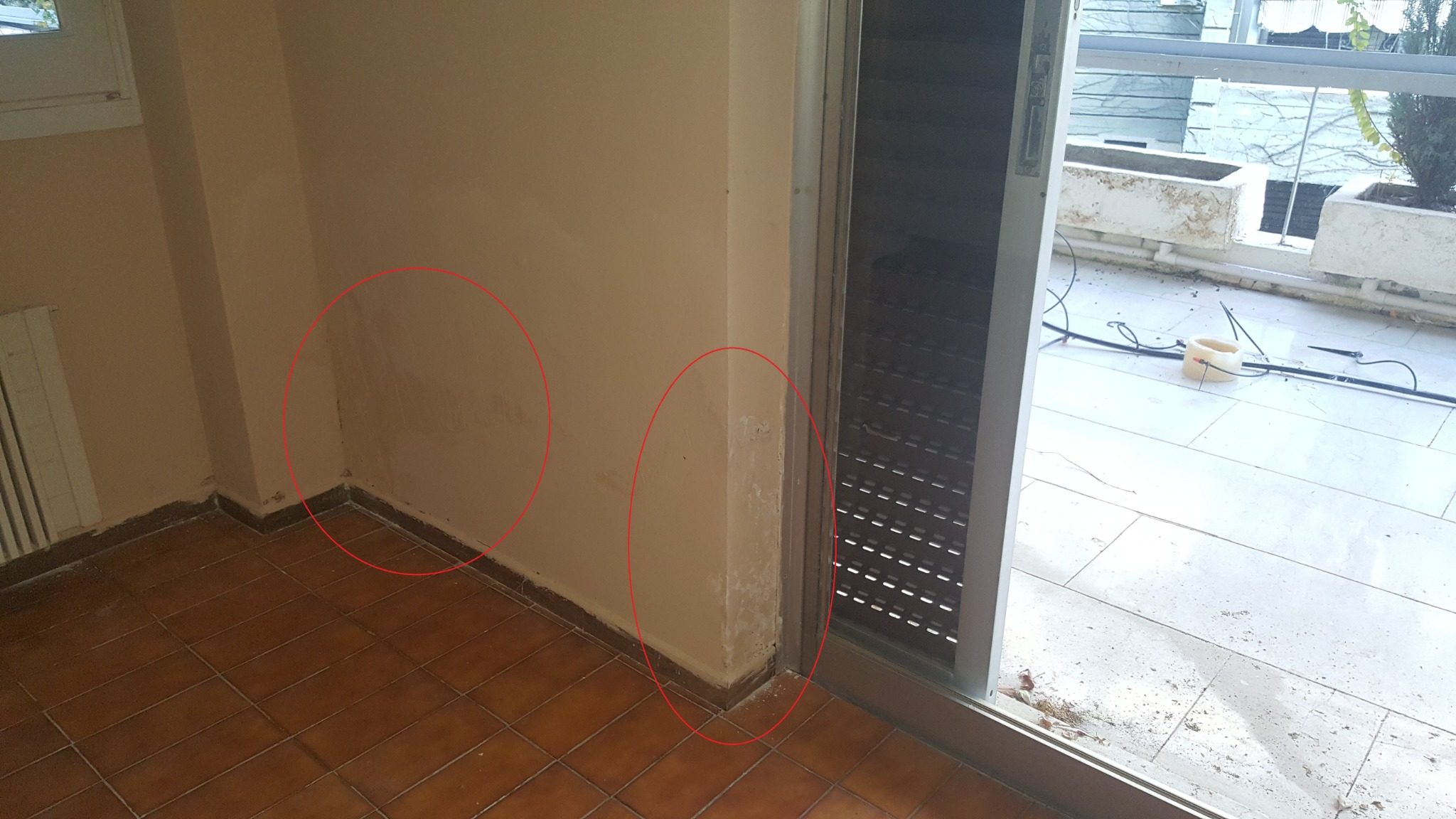
Over time and with the added quantity, the water draining into the masonry (opening – tunnel) creates humidity, which causes the paint to peel from the walls, a common sight inside homes, especially at the bottom.
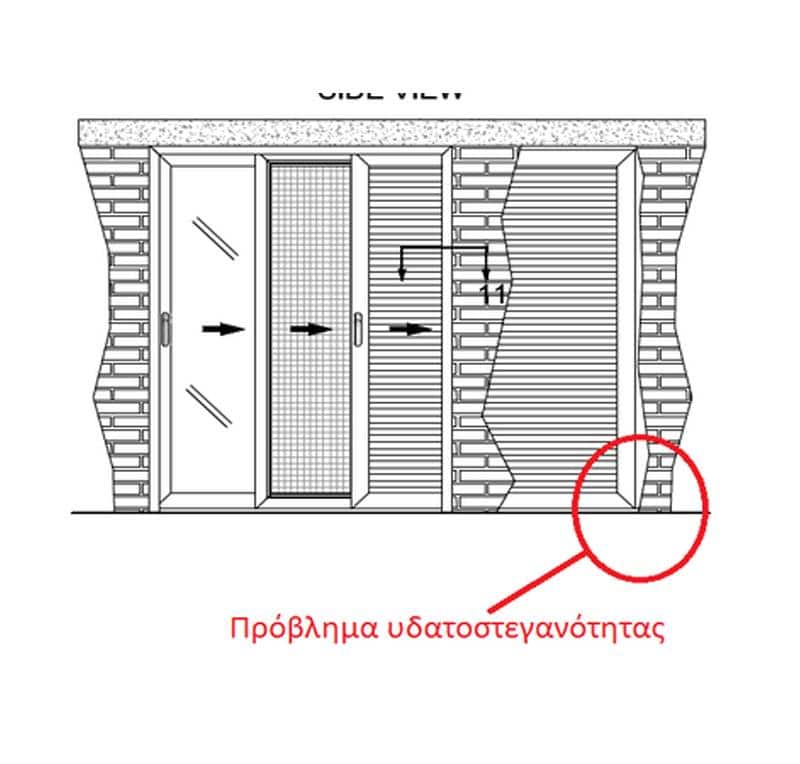
It is worth noting here that the drains of the guides (which are essential in all frames and all their types) of recessed frames are not sufficient for the drainage of all water, and very often, especially in old frames, their complete absence is observed.
How to solve the problem of sliding frames that leak water
Sliding recessed frames that leak water
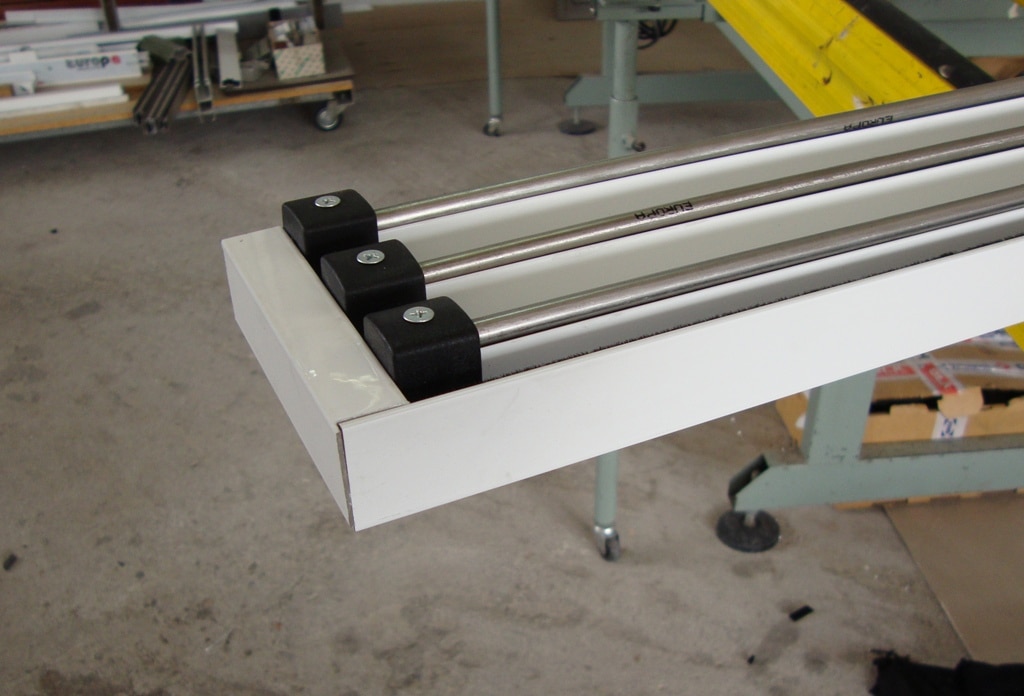
One way to solve the problem of sliding frames that leak water is to seal the guides of the sliding recessed frames. Special plastic stoppers are placed at the end of each guide, which prevent water from draining into the masonry. These guide stoppers for sliding frames are placed at the end of each guide, at the point where it enters – recesses into the tunnel – void. The stoppers trap the water and return it (re-direct it) backward, causing it to drain through the existing drains and towards the balconies.
Recessed frame stoppers-caps
Humidity on the side where the sliding frames are recessed is dramatically reduced (sliding frames that leak water) when recessed frame stoppers-caps are installed. The stoppers-caps are placed at the back of the guides (by ‘back’ we mean the part of the guide inside the wall, at the very end). The caps prevent water flow from the guide into the wall, thus avoiding humidity.
Overlapping sliding frames that leak water
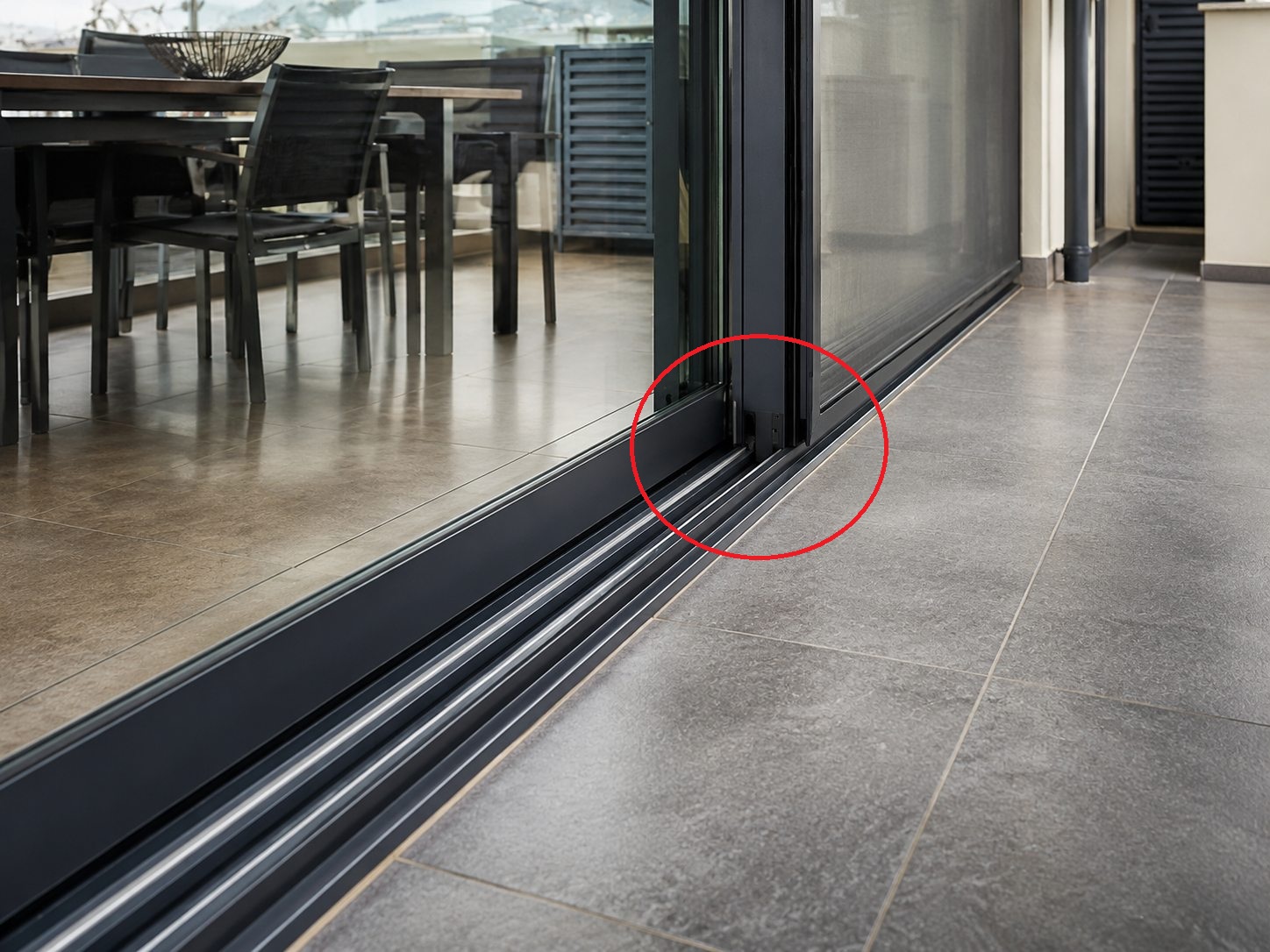
In addition to sliding recessed frames and the issues we examined above, you may also encounter problems with overlapping aluminum frames leaking water. The main causes for overlapping frames to leak water are:
- Absence of sealing blocks at the bottom of the sashes (see photo)
- Absence of drains
- Absence of sealant/caulk at the profile joints
- Incorrect cuts in the frames
Do not cover the sliding guides with tiles
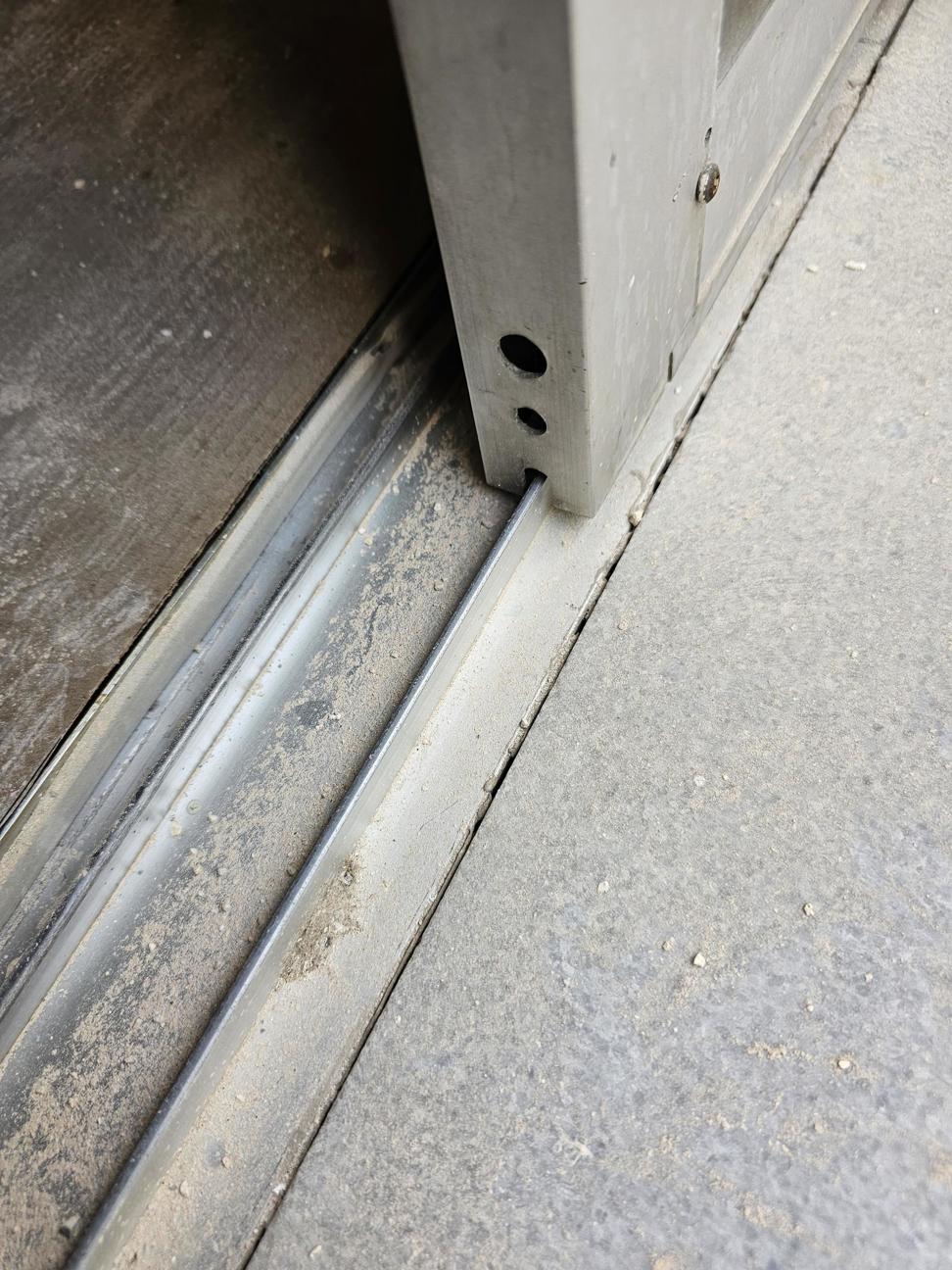
A common construction error is covering the sliding guides from the outside, on balconies, with tiles. This is something we often see and is usually done by tilers. If you cover the sliding guides from the balcony side, you trap water (rain or cleaning water) which then either enters the house or the holes of the recessed frames. The final height of the balcony floor should never cover frame guides.
Frame watertightness
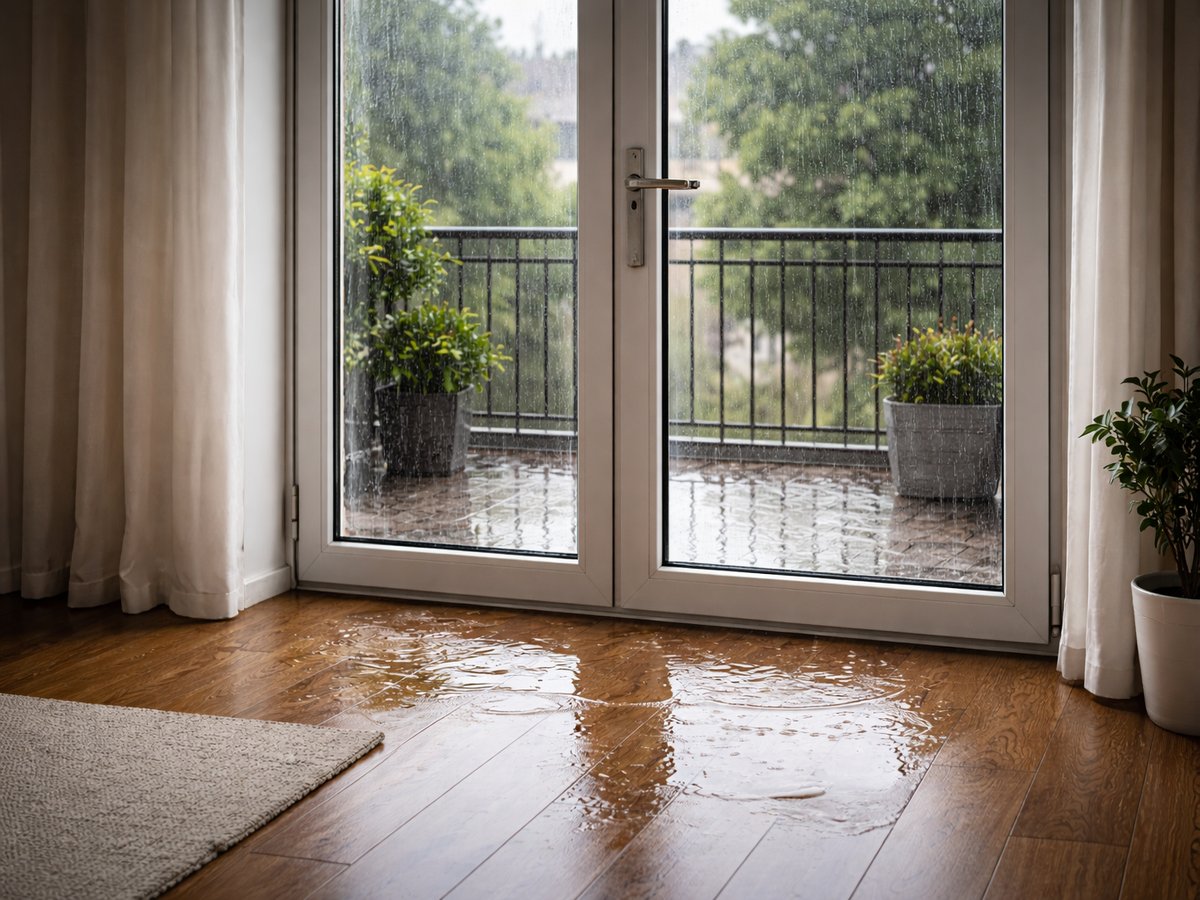
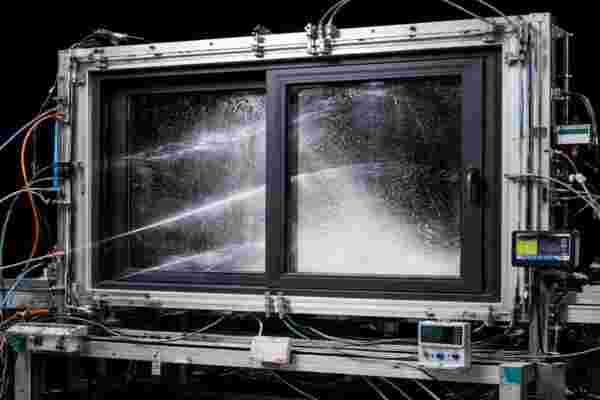
If you want to learn how we measure the watertightness of frames, see our article on frame watertightness.
Sliding recessed frames that let in air
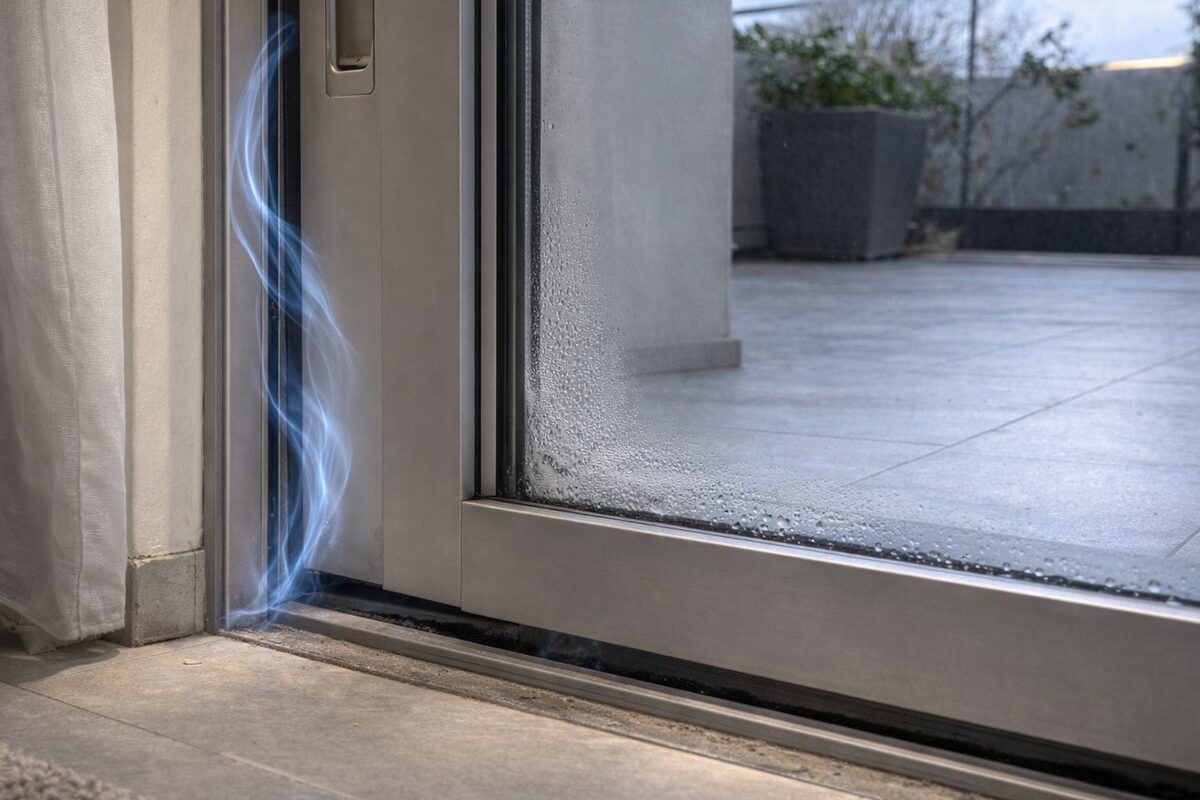
One way to reduce air leakage from sliding recessed frames and increase their thermal-sound insulation is to use perimeter sealing corners. See more in our article insulation of sliding recessed frames.
What is the purpose of drain caps in aluminum frame guides?
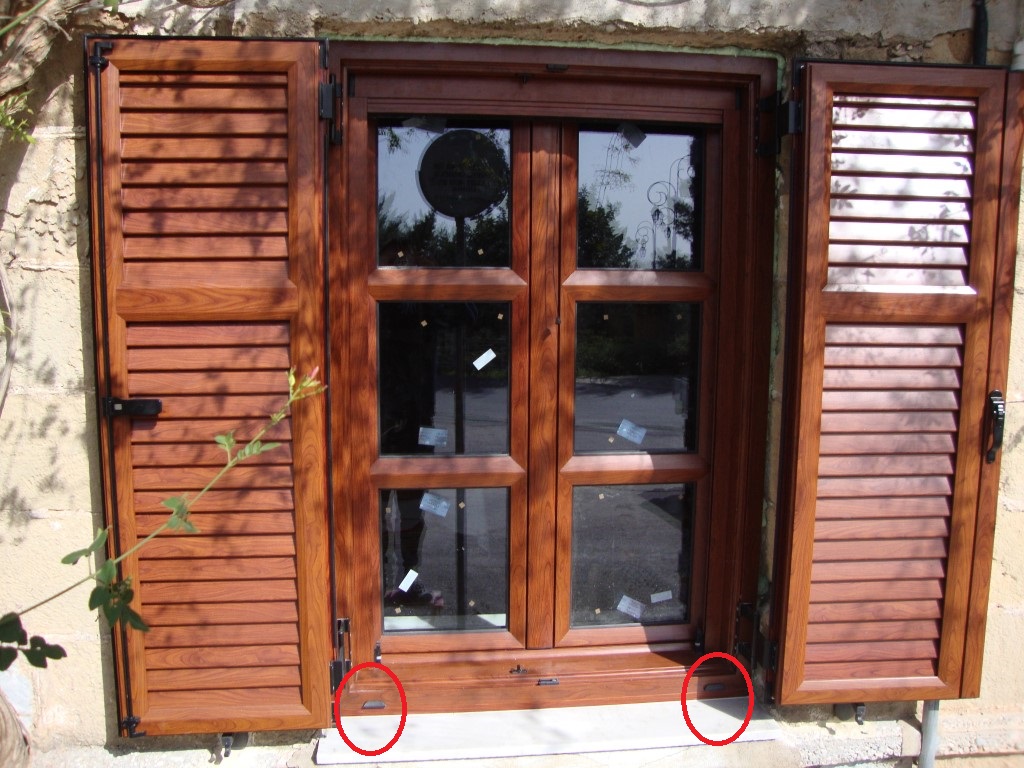
You may have noticed the presence of black caps in the guide or frame of aluminum frames. You may have wondered what their purpose is, but they are certainly not just decorative. Drain caps are placed in the drainage holes (holes made in the frame guides) to prevent wind from blowing water back inside. If a cap is missing from an aluminum frame, it is very likely that a humidity problem will occur.
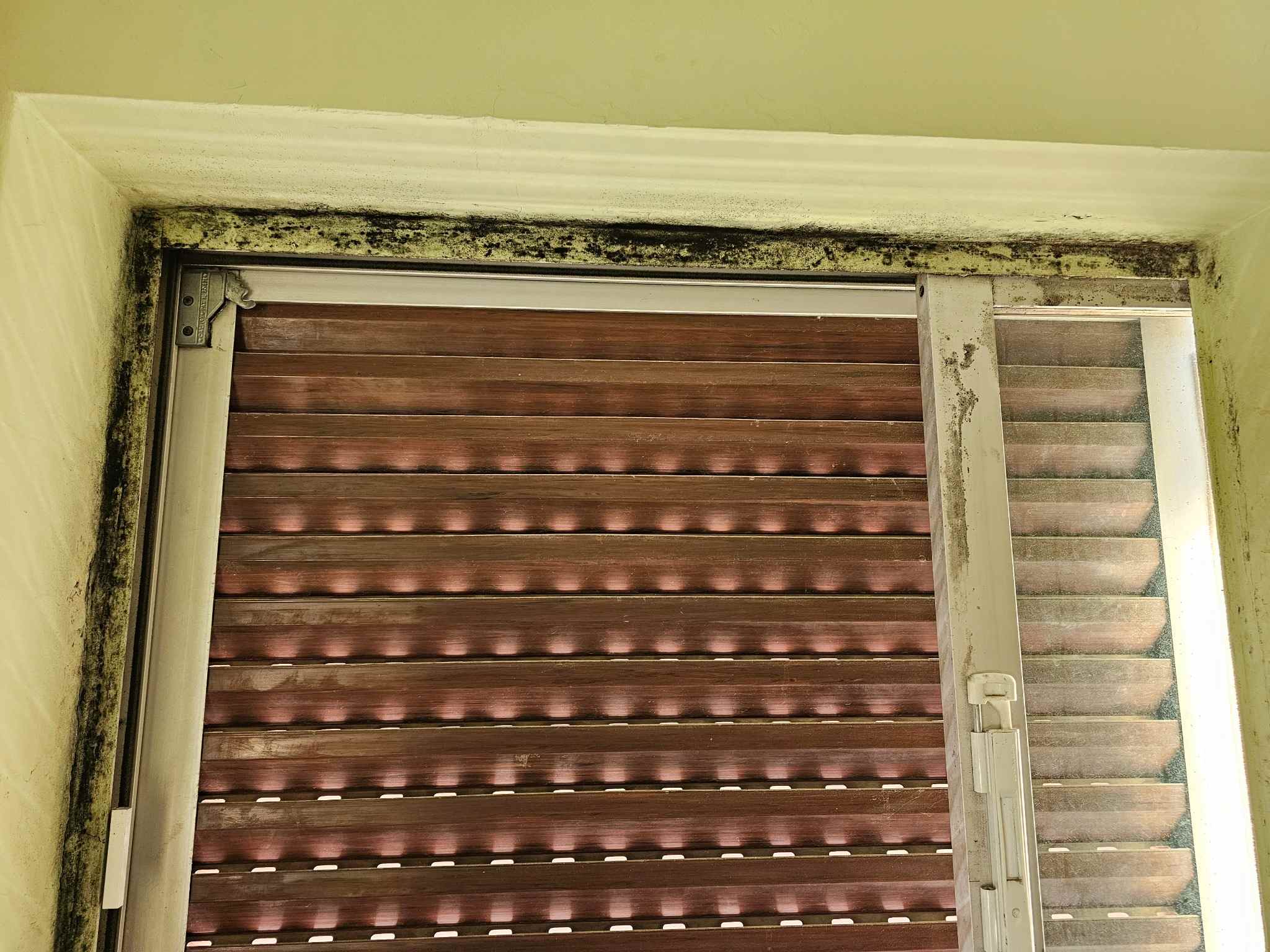
It is very important that aluminum frames have recessed frame stoppers-caps and drain caps. Their presence increases the watertightness of sliding and casement aluminum frames to prevent humidity.