







Tax Relief on Energy-Efficient Aluminum Frames

The government decided to offer tax incentives (Tax Relief on Frames) for building upgrades. Thus, according to a relevant Joint Ministerial Decision issued, expenses incurred from 1/1/2025 to 31/12/2025 for the energy, aesthetic, and functional upgrade of buildings will be deducted from the income tax of individuals at a rate of 40%. The tax deduction for frame replacement concerns energy-efficient aluminum frames.
Specifically, the provision of Article 13 of Law 5000/2022 is extended for the year 2025 (tax relief on frames 2025).
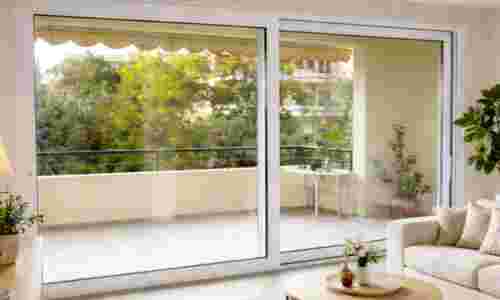
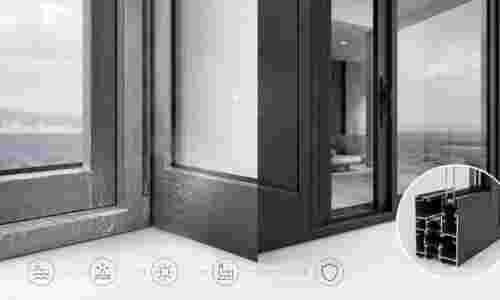
One of the most significant ways to achieve an energy, aesthetic, and functional upgrade of a building is, of course, the installation of energy-efficient aluminum frames. The government therefore extended the measure of tax relief on energy-efficient aluminum frames (tax deduction on frames also in 2025), according to which taxpayers will be able to achieve a tax reduction of up to a total of 16,000 euros, which will be allocated equally (3,200 euros) for the next 5 years (until 2030). Thus, tax incentives are provided for building upgrades, and this amount will be deducted from income tax.
How the tax deduction on aluminum frames is applied
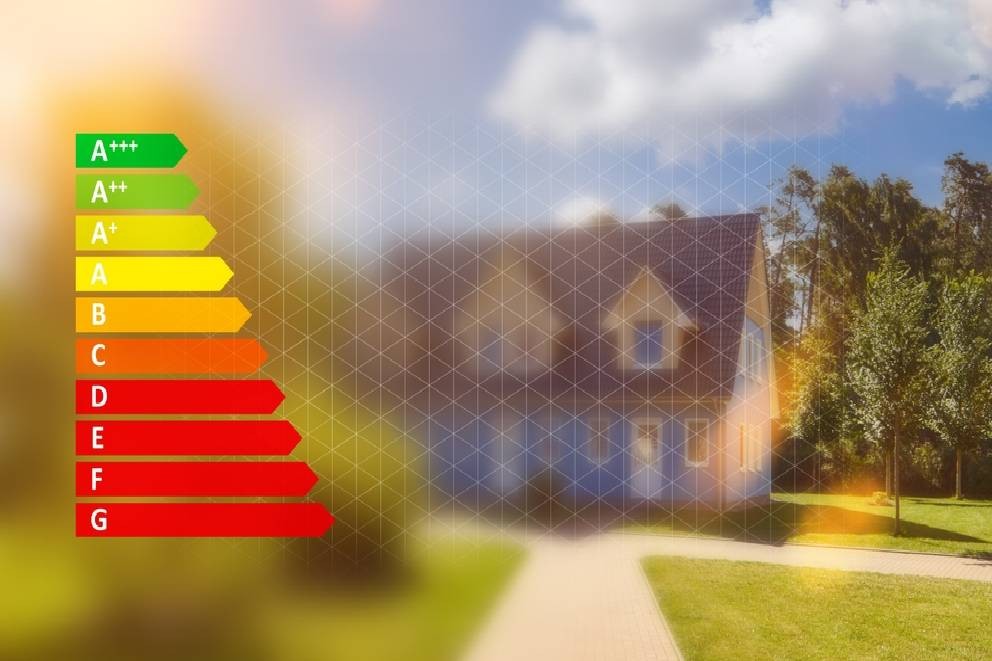
Let’s look at an example to understand how the tax deduction on aluminum frames works and how exactly the measure of tax relief on energy-efficient aluminum frames operates. If, for example, someone replaces their home’s frames with new energy-efficient ones, and these cost 20,000 euros, then based on this provision, they will benefit by up to 16,000 euros in total, meaning their tax will be reduced equally by 3,200 euros for the next five years.
What are the conditions for tax relief for building renovation
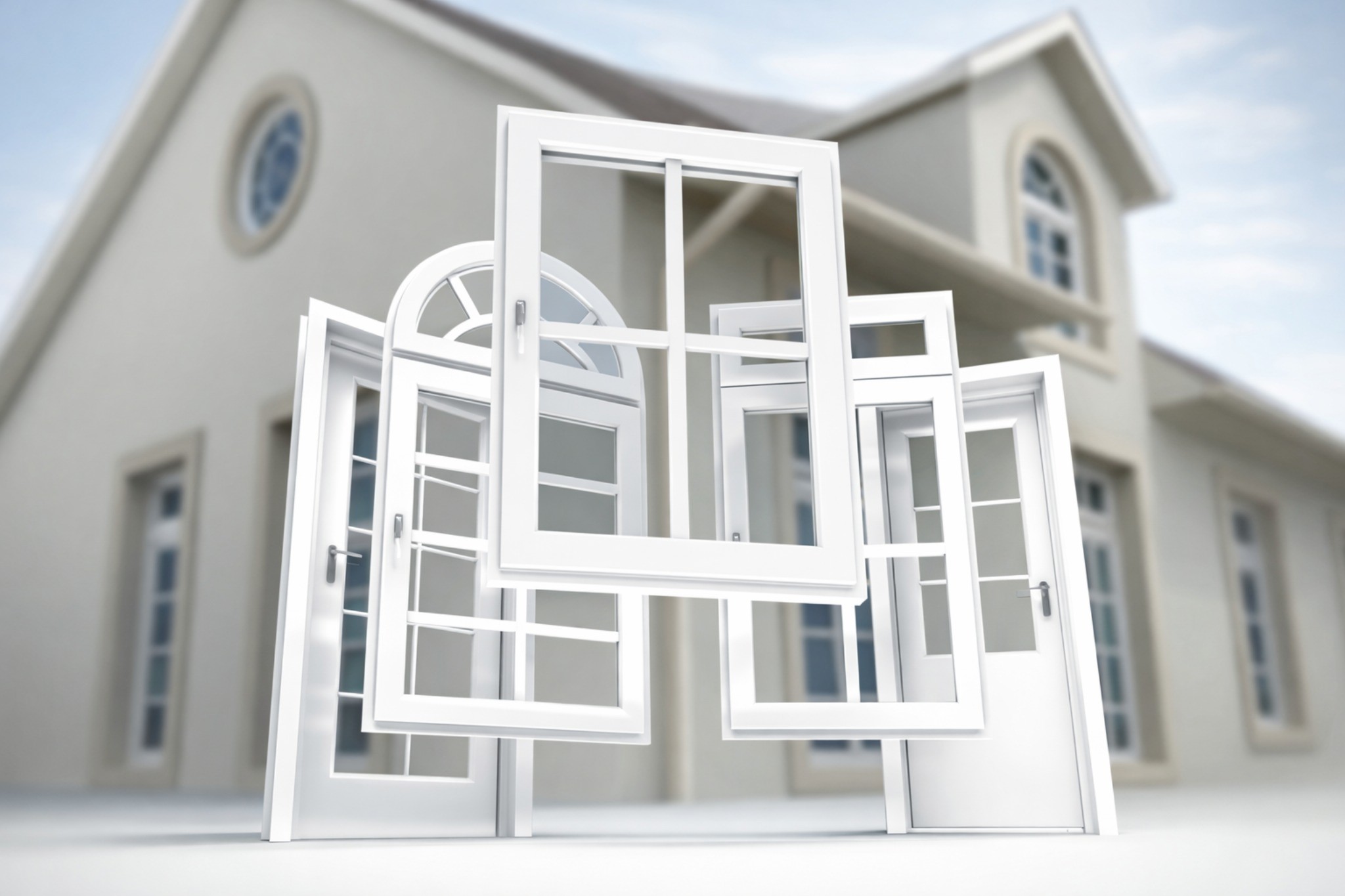
The conditions for someone to be eligible for tax relief on aluminum frames and energy upgrade are as follows:
- Payment must have been made electronically, and all supporting documents must exist (receipts, invoices, performance declarations proving that the frames are energy-efficient).
- The legal documents, as well as receipts and invoices, must state the type and value of the service provided, the personal details of the beneficiary (full name, address, VAT number, Tax Office), as well as the property details (ATAK), unless it concerns common areas, where simply the address is sufficient.
- To benefit from the tax deduction for frame replacement, the property must not have been included in programs such as ‘Exoikonomo’ (Save Energy), ‘Anavathmizo’ (Upgrade), and other funding programs through ESPA.
- When frames are installed in a building owned by more than one owner (co-ownership), the maximum expenditure limit and tax reduction are limited based on the ownership percentage of the individual who incurred the expense.
- In cases of changes to common areas, paid electronically by the building manager, the tax relief is deducted for each beneficiary according to their co-ownership percentage, based on a relevant certificate provided by the manager.
Advantages of the provision for tax relief on aluminum frames.
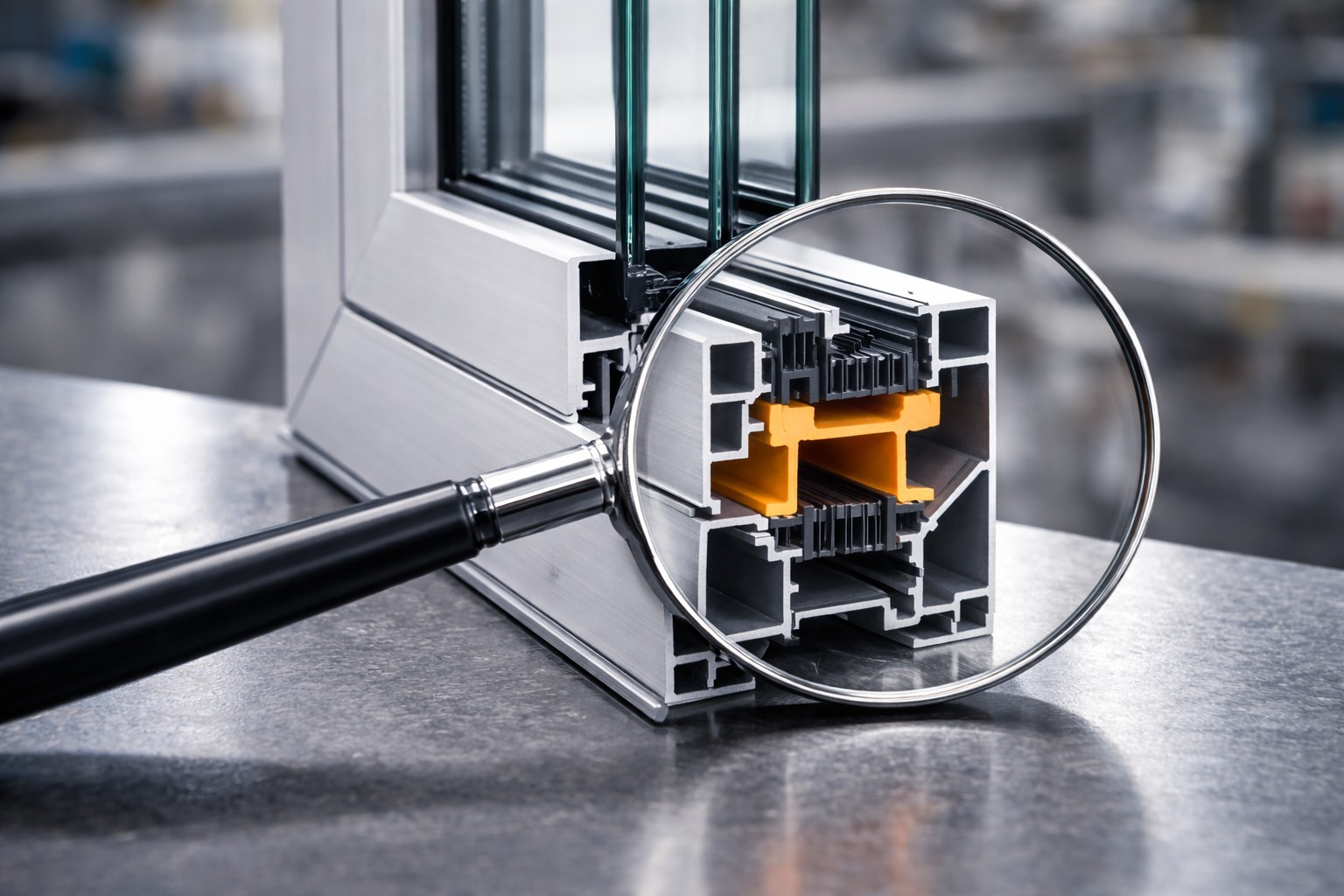
- This provision contributes to the energy, functional, and aesthetic upgrade of buildings
- Combating tax evasion through tax incentives for both professionals and individuals.
- Energy upgrade of buildings, making them environmentally friendly
- Improvement of residents’ living standards
- Increase in the objective value of buildings.
- Strengthening of construction and technical sectors, as more and more people will rush to upgrade their homes energetically and benefit from tax relief, having significant financial returns. By strengthening these sectors, more and more jobs are created, thus reducing unemployment levels.
see the energy-efficient frames that are subsidized