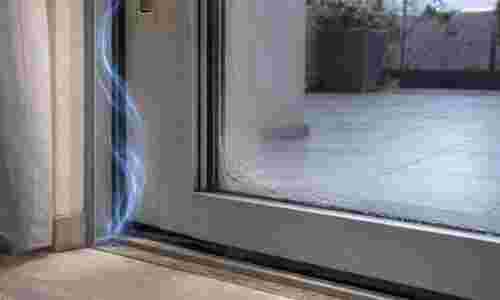














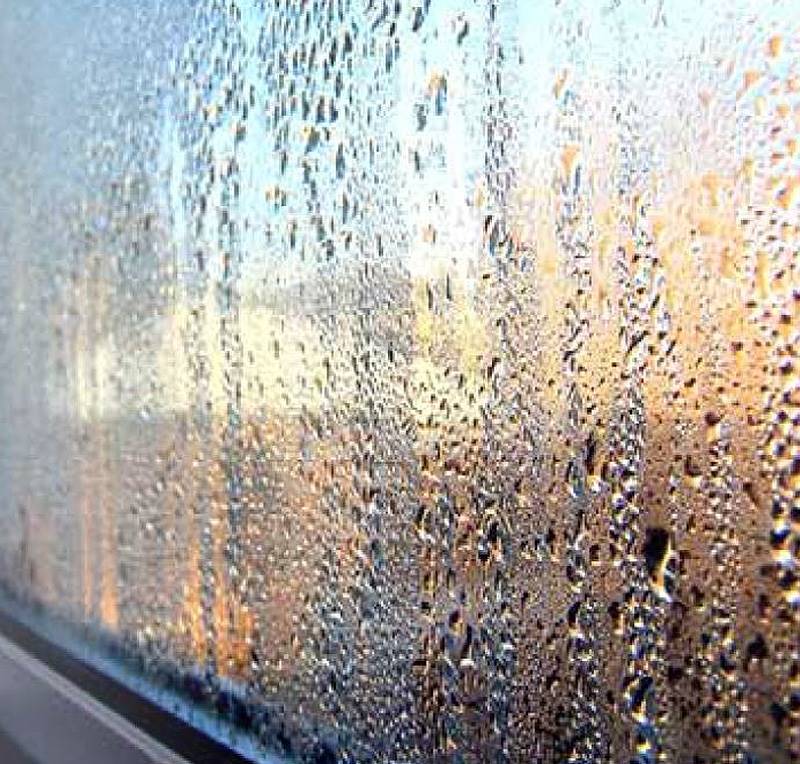
Many wonder why their windows sweat (water vapor – condensation sweating on frames). The phenomenon of condensation (sweating on frames) is a multifactorial phenomenon that occurs mainly during the winter months and can be dangerous even for our health. The cause of the phenomenon during the winter months is the temperature difference that occurs in the interior space of the house compared to the external environment. To understand the phenomenon, we must examine all the factors that influence it, as well as ways to deal with it.
What should we do about sweating on frames?
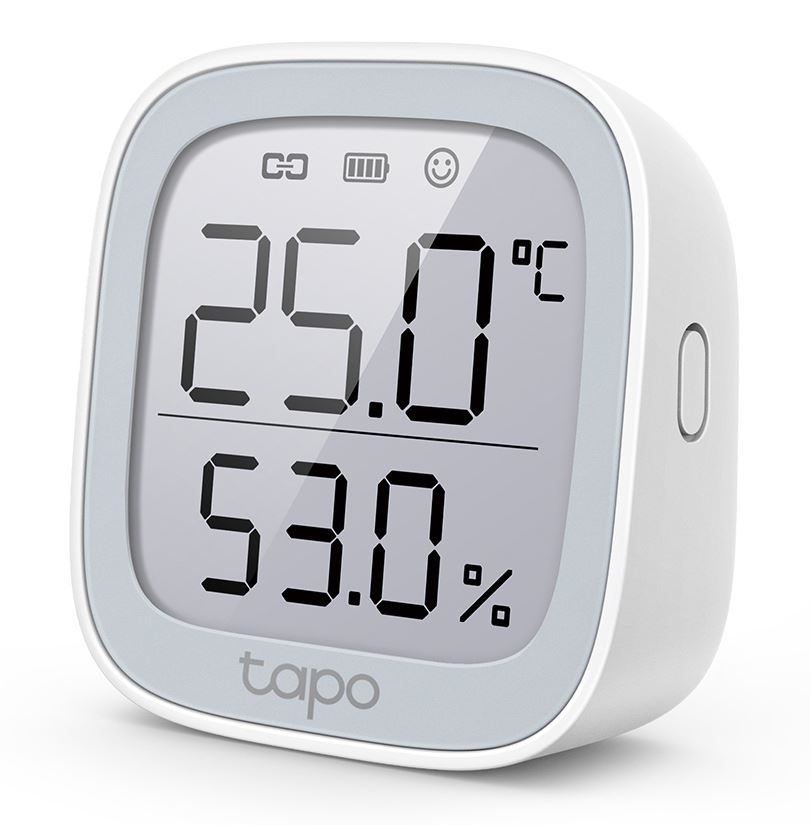 To determine the extent of the problem (water vapor – condensation sweating on frames), initially we should measure the humidity percentage inside our house with a thermometer – hygrometer. A hygrometer is an inexpensive device that you can easily acquire. A percentage above 65% will naturally create the phenomenon of condensation and cause water to run down the frames, but it is primarily dangerous for our health as it creates conditions for mold growth, which we will discuss in detail below, along with its causes.
Why does condensation occur and frames sweat (frames that drip water)?
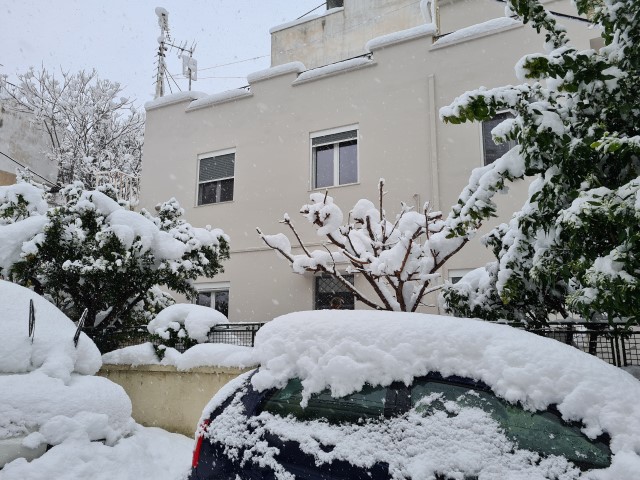
Atmospheric air contains water vapor – moisture, which we cannot perceive. The amount of water vapor contained in the air depends mainly on its temperature. As the air temperature increases, so does its ability to retain water vapor. These water vapors condense and turn into water droplets – particles in two (2) ways:
- When warm air containing water vapor comes into contact with a cold – frozen surface and its temperature drops sharply (e.g., frame profiles or glass).
- When the amount of air moisture increases (saturation) for various reasons, e.g., bathroom or kitchen, etc.
Let’s look at an example to understand when the phenomenon of water vapor – condensation on frames occurs and when it does not.
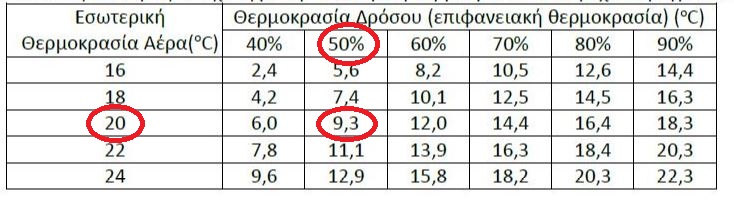
If we have an indoor air temperature of 20oC and humidity inside our house of 50% (which is very common), then on any surface the air touches that has a temperature below 9.3oC , water vapor and the phenomenon of condensation will appear (source POVAS).
Which factors aggravate the phenomenon of condensation?
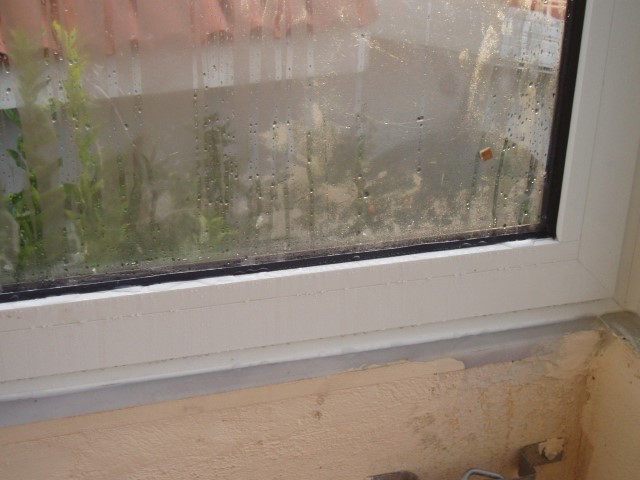
As mentioned above, the phenomenon of condensation (water vapor – condensation sweating on frames) is a multifactorial problem that can have more than one cause. The main factors causing condensation are:
- High humidity concentration (above 65%) and poor ventilation of the house
- Apartments with integrated kitchens with living rooms which increase the humidity concentration due to cooking.
- Leakage in plumbing installations.
- Old or poorly insulated frames.
- Bathrooms or showers that are not ventilated after use.
- Drying clothes indoors.
- Indoor plants due to watering.
- Poor wall or roof insulation.
- High occupancy or gatherings with many people and closed frames
- Aquariums or uncovered tanks.
- Indoor dryers.
- Presence of many people together in a small space
- Some heating devices that operate with kerosene or LPG.
Why are energy-efficient aluminum frames – thermal break frames a deterrent to the phenomenon of condensation – water vapor (frames that drip water)?
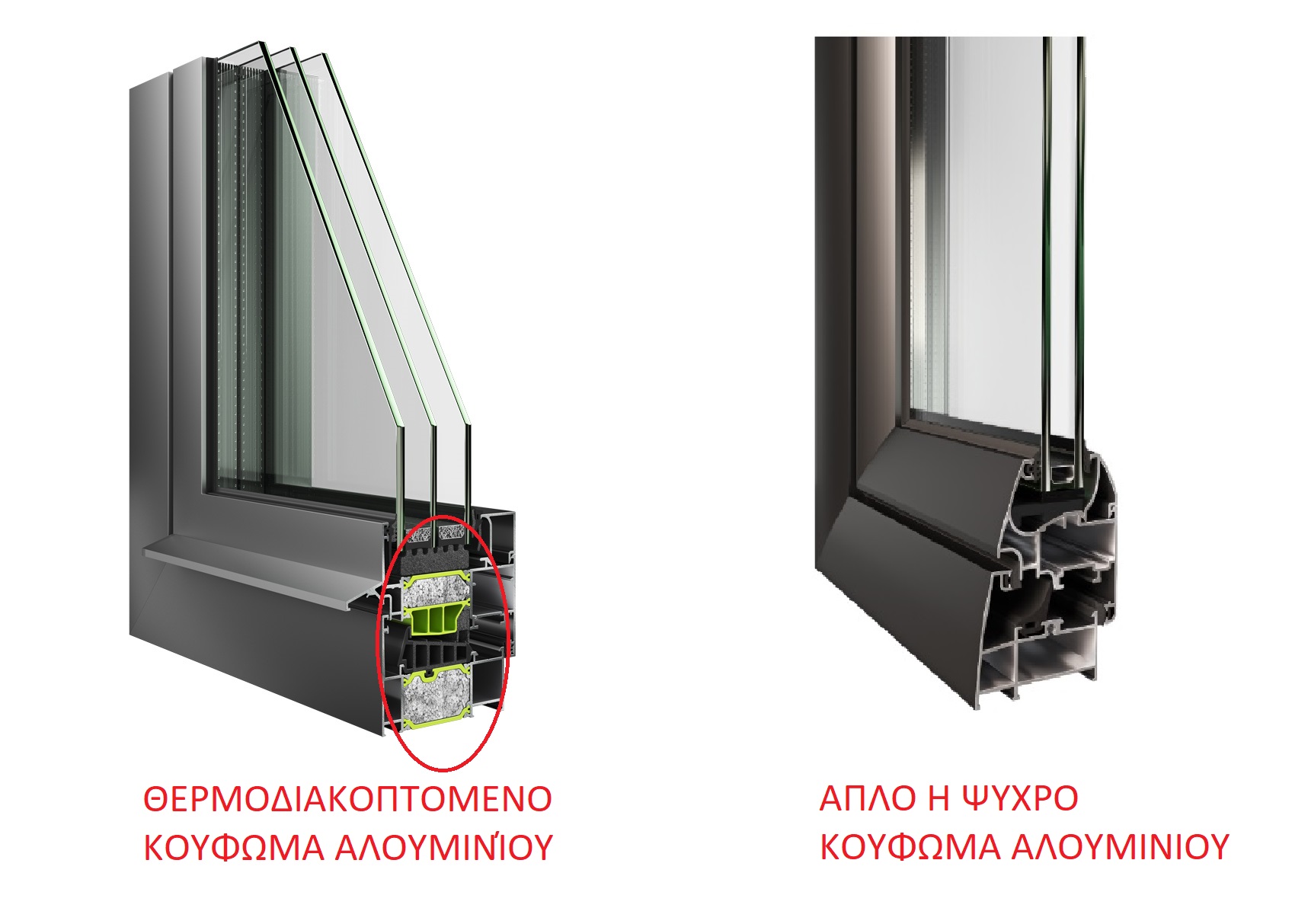
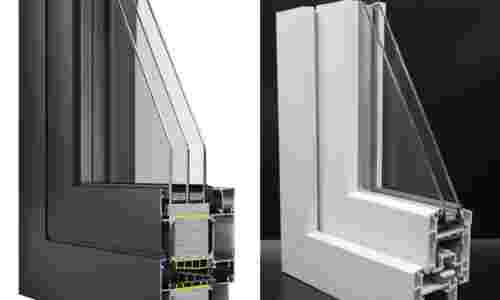
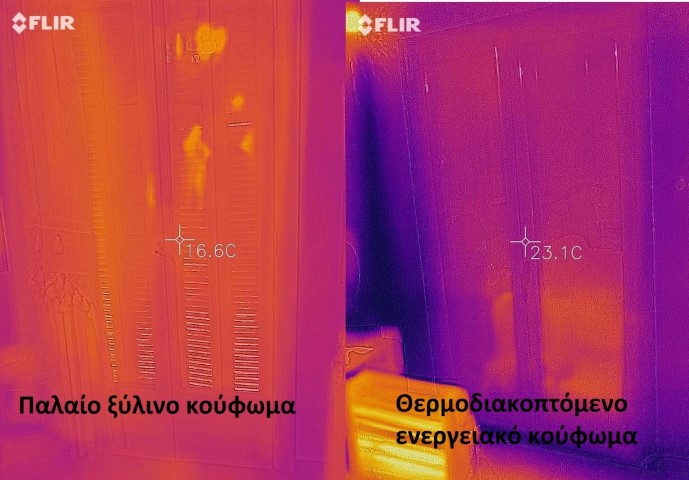
Energy-efficient aluminum frames – thermal break frames, due to the thermal insulation materials they possess, have a better thermal insulation coefficient (thermal transmittance coefficient) than other frames. This practically means that they maintain a higher temperature on their interior part (thermal camera photo), which makes the phenomenon of condensation – sweating on frames even rarer. Let’s look at an example of how simple and thermal break aluminum frames behave:
If we have an indoor air temperature of 20oC and humidity inside our house of 60%, then a conventional – cold frame will show condensation when the outdoor temperature reaches 9.2oC and below, while the energy-efficient frame will show the same phenomenon at -1.5 oC .
Here we should note that all types of frames (aluminum frames, PVC, wooden) will exhibit the phenomenon of condensation under certain conditions or if the indoor humidity in our house exceeds 70%, which we will see below (water vapor – condensation sweating on frames).
How to deal with sweating on frames (doors and windows)
To deal with sweating on aluminum frames (doors and windows), you should do the following:
- Ventilate your space daily during the morning (warmer) hours, to remove as much trapped moisture as possible. The need for ventilation is greater when there are more people in the apartment or during a gathering.
- Close kitchen doors when cooking and ventilate the area or use an extractor fan when using the kitchen. The same applies to the bathroom when showering.
- Use a dehumidifier in rooms with problems or set the air conditioner to dry mode.
- Replace your frames with new energy-efficient – thermal break frames and with energy-efficient glass with low Ug, and in the case of roller shutters – external covers, definitely use thermal break roller shutter boxes with internal insulating materials.
- Do not dry clothes inside the house and ventilate the space when there are many people.
If the problem is not resolved, consider the following cases:
- If your frames are energy-efficient, install energy-efficient glazing with polyamide spacers that reduce thermal bridges.
- If your frames are new energy-efficient ones, check for the possibility of thermal bridging in the frames (marble sills, frame wings, etc.)
- Anti-condensation glazing technology featuring coatings that prevent the formation of moisture – condensation, especially in areas with large temperature differences (see new technologies in frames).
Finally, you should call an expert (e.g., an engineer) for a comprehensive assessment of the problem (piping, masonry, etc.).
What are the health effects of high humidity concentration?
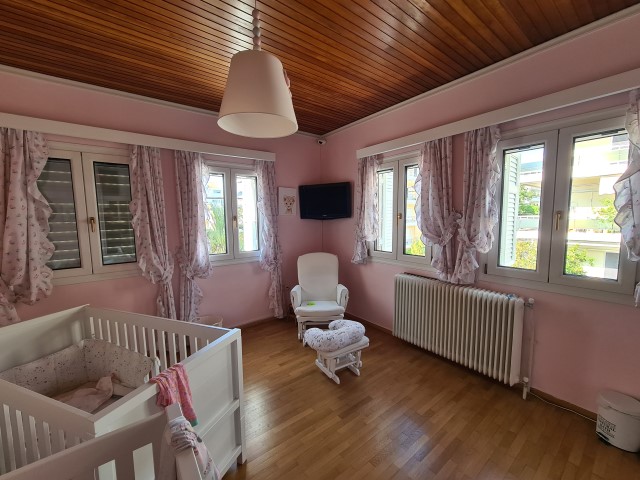
The health effects on residents of a house with high humidity concentration are enormous, and many people do not realize the extent of the problem and are exposed daily for many hours to a danger within their home. The cause is not only high humidity concentration but also mold and fungi (mold and fungi on frames) that develop, since with a humidity percentage above 60% – 65%, we create fungal conditions in our home. Additionally, high humidity concentration can cause:
- Arthritic problems
- Allergies or their worsening
- Problems for people with asthma and heart disease
- Migraines
- Dermatological diseases from fungi
Mold on frames and how to clean them
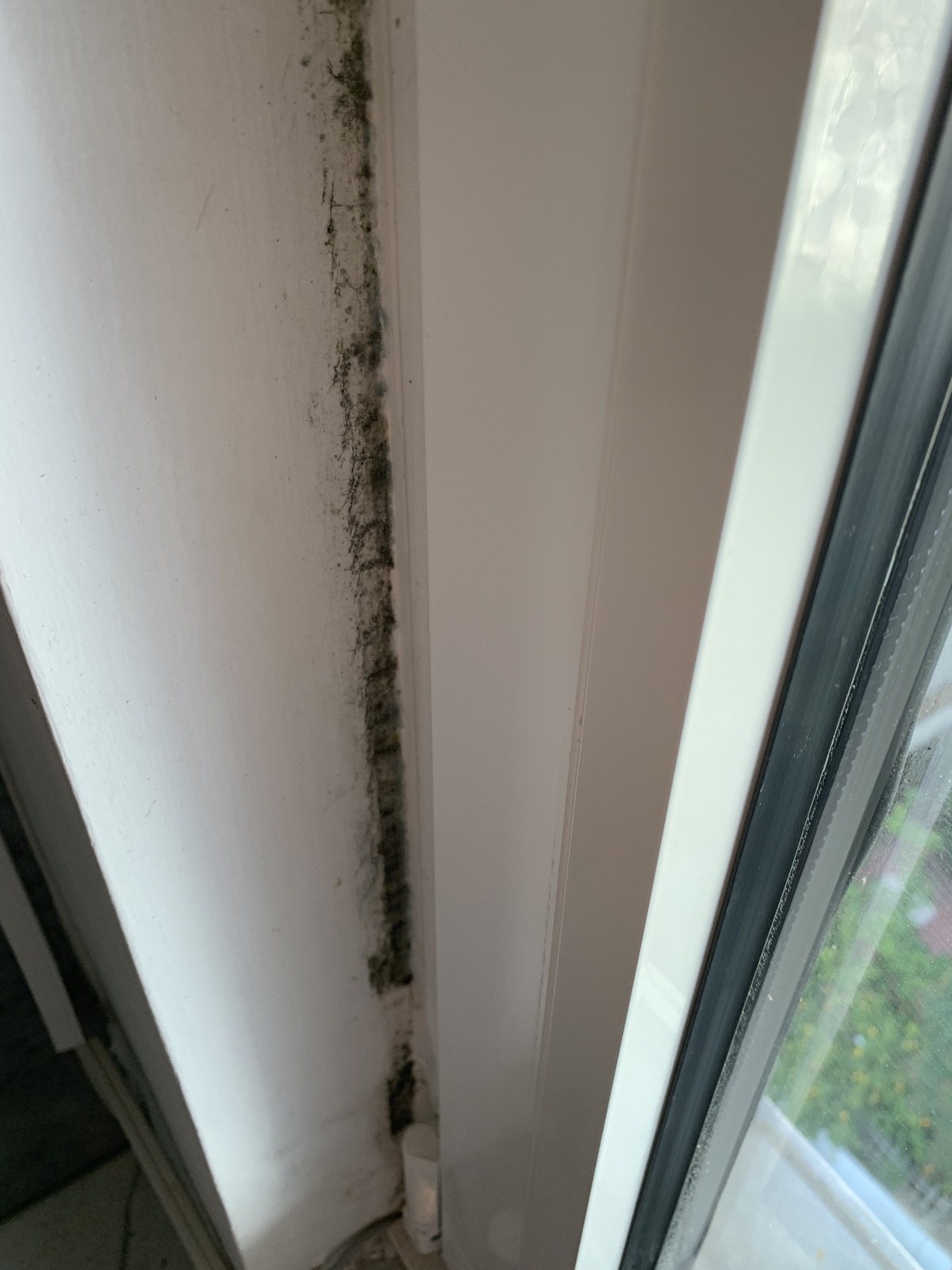
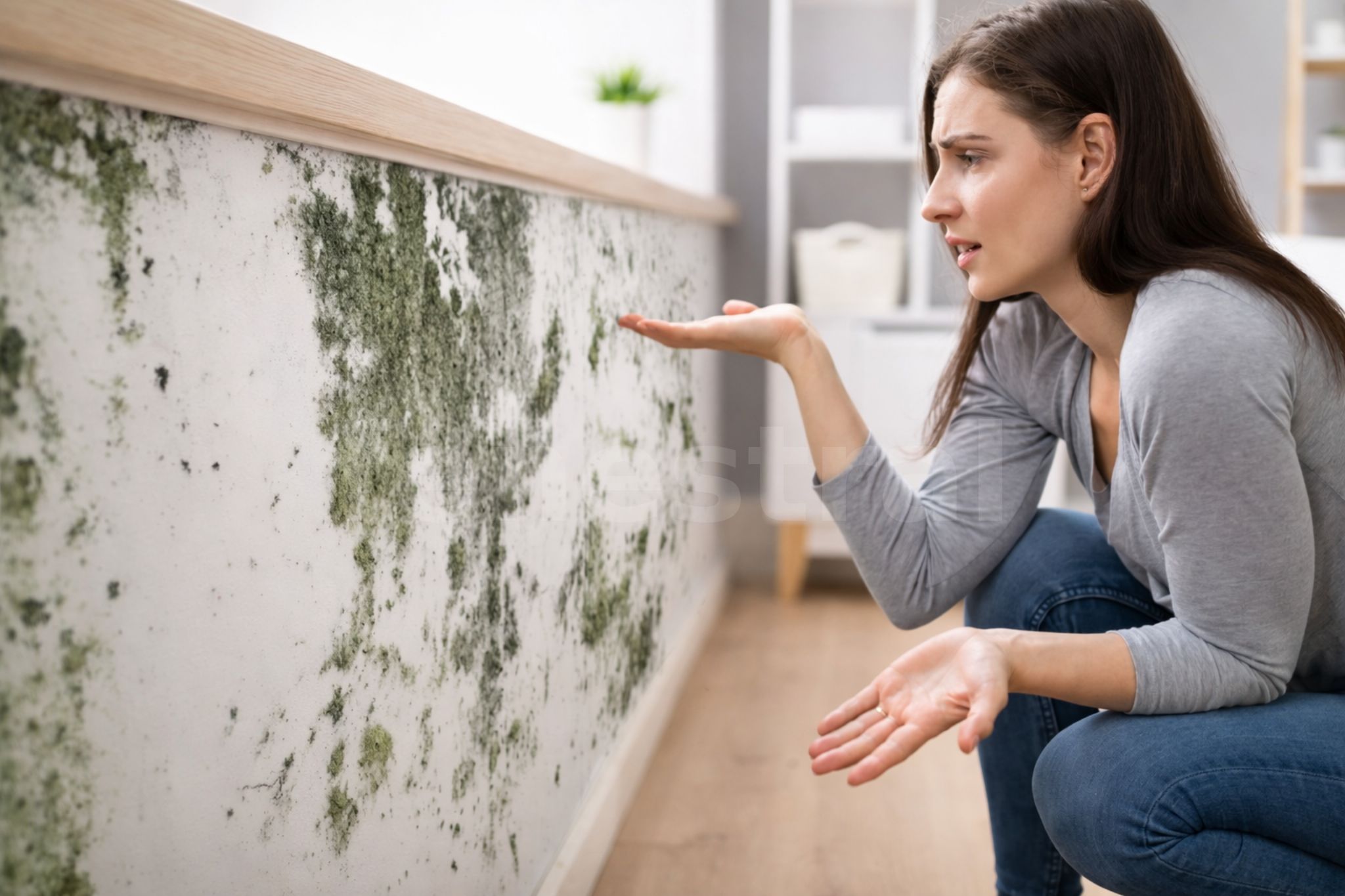
Mold (mould) on frames (windows and doors) are essentially fungi that grow due to moisture. With a humidity percentage above 60% – 65%, we create fungal conditions in our home, which is very dangerous. Some of these fungi (mold) are very dangerous for our health. A characteristic example is the green fungus (mold) Stachybotrys atra, which is toxic. If you observe fuzz on the fungi – mold, this means it is producing spores and should be dealt with immediately. Caution: the use of bleach is not recommended as in some cases it promotes their growth and does not kill the spores (mold and fungi on frames and masonry). Initially, you should not come into contact with mold – fungi with bare hands and seek specialized cleaning products sold commercially or the help of an expert. Ideally, to clean frames with mold, look for 3% hydrogen peroxide and clean with it (be careful not to pour hydrogen peroxide on the frame’s paint and aluminum profiles, see more in frame cleaning).
Finally, another deterrent to mold behind furniture that is stuck to external walls or frames is to detach the furniture and ventilate these areas.
Moisture on windows – the German trick to make mold disappear from the house
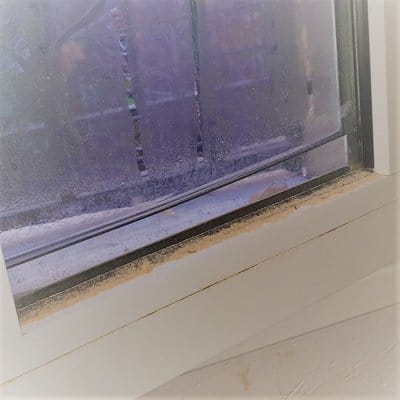
In a coastal country like ours, high humidity levels create various problems, such as rotting wooden surfaces, mold on our walls, and a feeling of being excessively cold. The German newspaper ”Bild” suggests an easy solution for reducing humidity and mold in our home – Moisture on windows. This method encourages us to open our windows and ventilate our house during the winter months. This sudden ventilation – shock, replaces the warm, humid air inside our house with fresh, cold air. So, when we close our windows after a short while, the temperature of the fresh air increases and absorbs the moisture. It is an effective method where we simply need to refresh the air inside our house with cold air during the winter months for a few minutes in the morning and a few minutes in the evening before going to bed, or immediately after our daily activities such as cooking or showering, where humidity levels are higher (Moisture on windows).
Moisture, water vapor between double glazing
Another phenomenon with different causes is moisture between double glazing. The most common cause is the way double glazing is glued (see double glazing adhesive), while a second cause is the presence of a hole – opening in the seals (see more in the article double glazing).