












What is Ψg and how does it affect the performance of frames and glazing?
To understand what Ψg is and how it affects the performance of frames, we must first understand what spacers for energy-efficient glazing (double or triple) are.
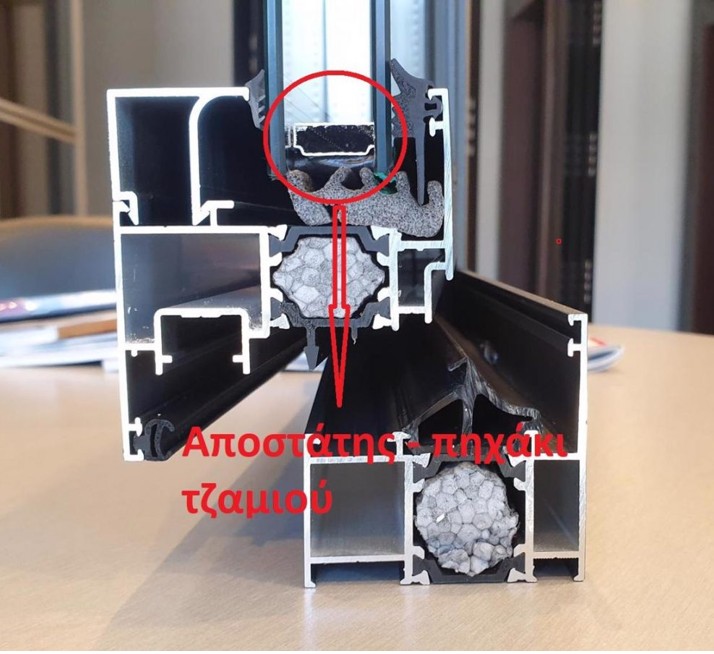
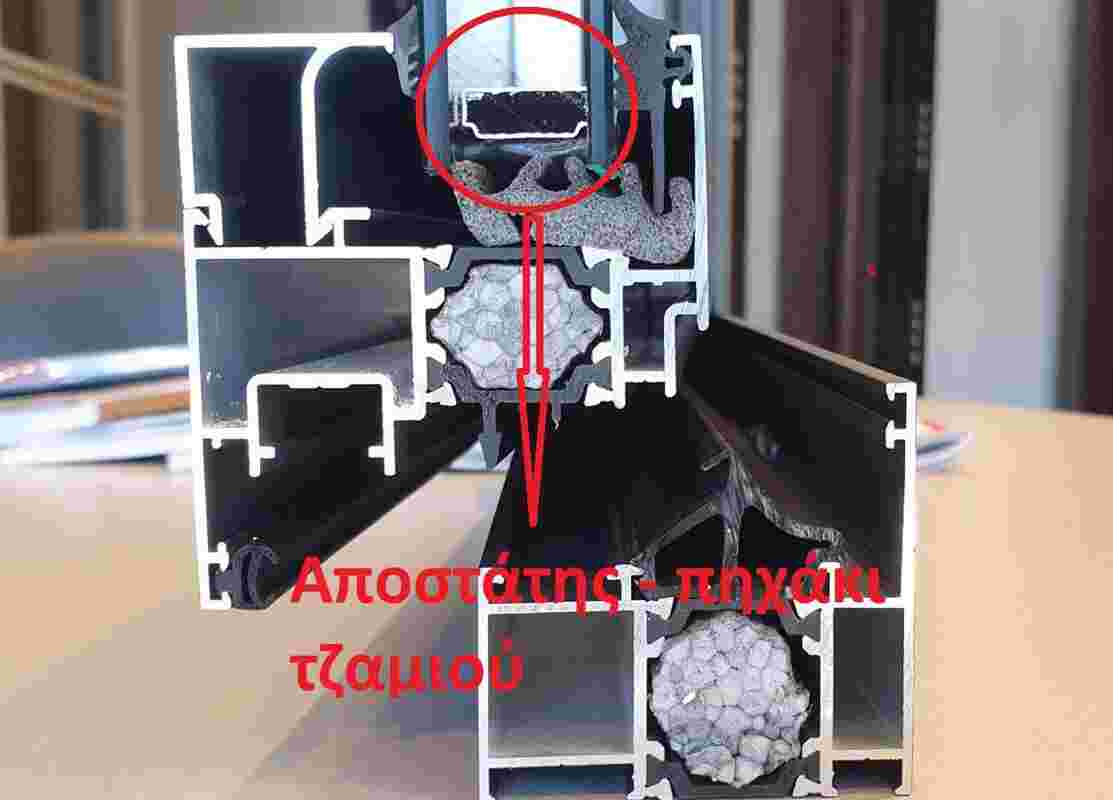
When double or triple energy-efficient glazing units are manufactured, spacers are placed between the glass panes to create a gap. Through these spacers, 22% of the total energy is transferred from inside to outside and vice versa.
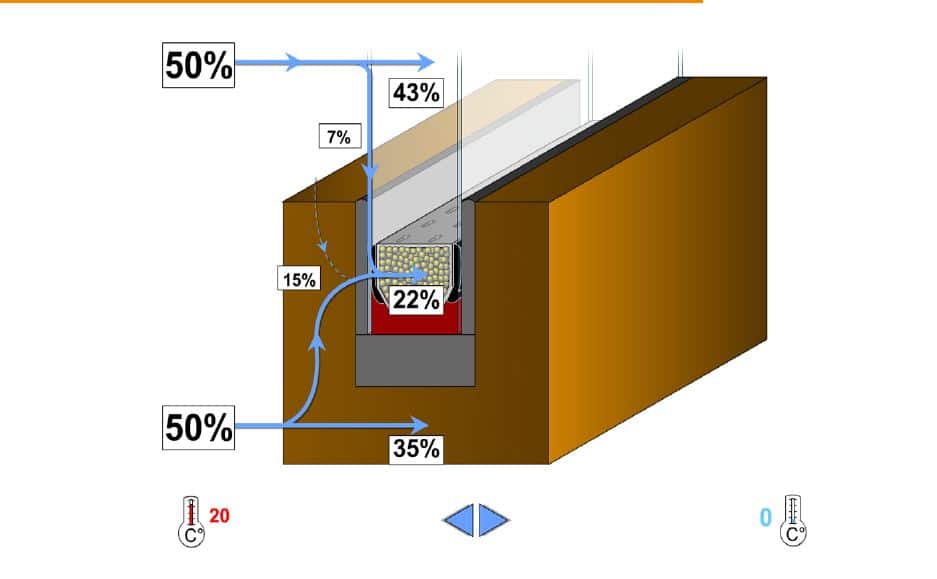
Ψg is the linear thermal transmittance coefficient of the frame’s glazing (thermal bridge). That is, it represents the percentage of heat loss created between the glazing and the profile (aluminum or PVC) due to the thermal bridge. The linear thermal transmittance coefficient Ψg is measured in W/m2K, and the smaller this number, the better – more efficient the result.
The Ψg – linear thermal transmittance coefficient of the glazing – is dramatically affected by the material from which the spacer of the double or triple glazing units is made. As mentioned above, 22% of the total energy of the frame is transferred through these spacers.
Materials for manufacturing spacers for energy-efficient glazing and their performance
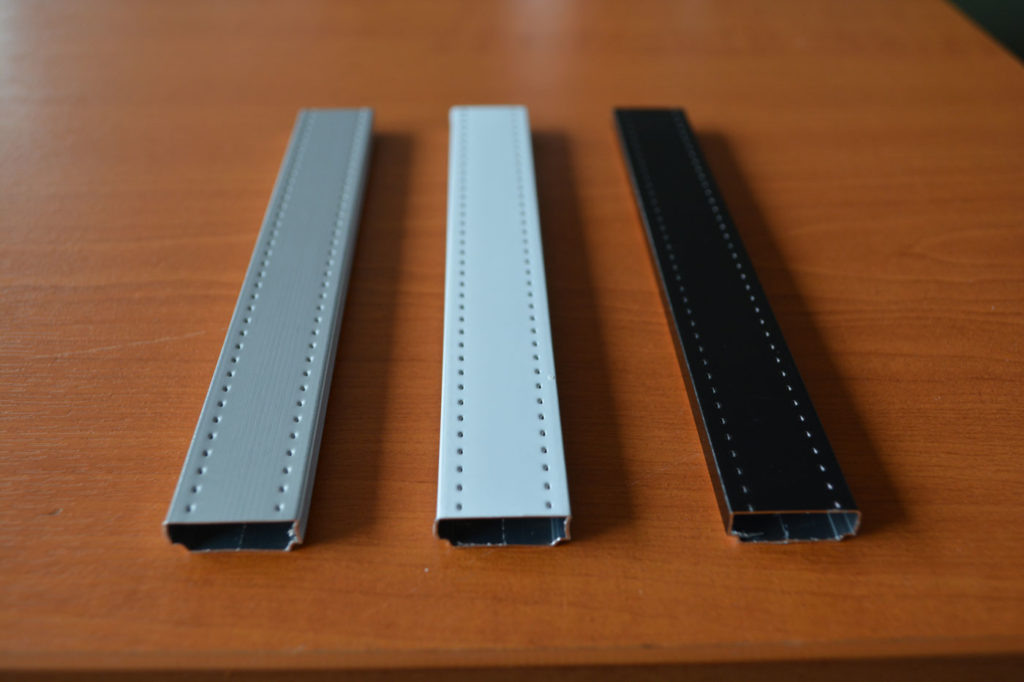
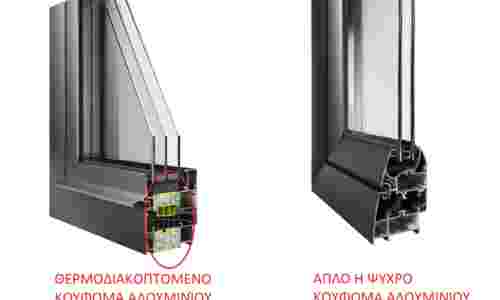
There are two dominant materials for manufacturing spacers for double glazing units. Aluminum glass spacers, which are widely used, and thermally insulating polyamide spacers. Aluminum glazing spacers have a thermal insulation coefficient (linear thermal transmittance coefficient – Ψg) of 0.082 W/m2K, while thermally insulating polyamide glazing spacers have a Ψg coefficient of 0.036 W/m2K. As we said above, the smaller the number, the better the performance – thermal insulation. From the resulting difference, we understand that polyamide glazing spacers have much better performance compared to aluminum ones.
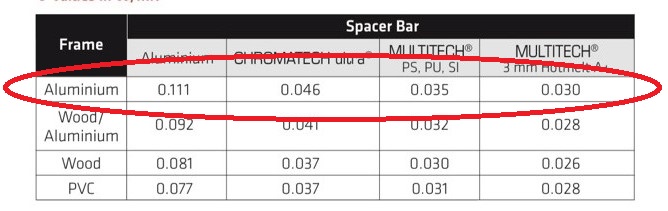
Finally, we should note that polyamide spacers are available on the market (photo) with even better performance for frames.
How much better thermal insulation do we get in a frame if we install polyamide spacers in double or triple energy-efficient glazing units?
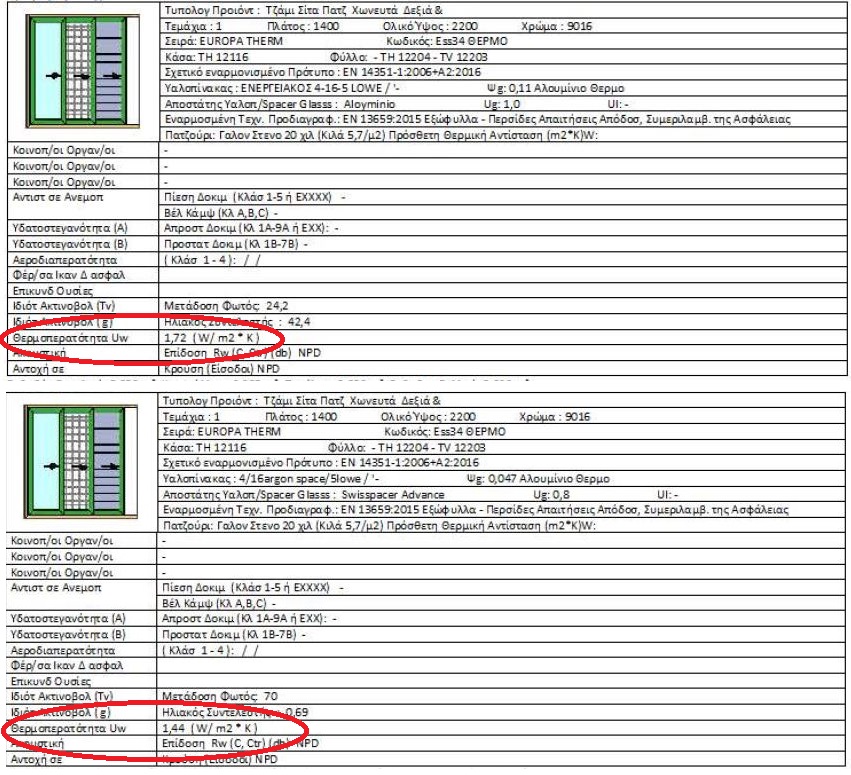
To understand the importance of spacers for energy-efficient glazing, let’s look at the thermal insulation coefficient (thermal transmittance coefficient) we get in two identical frames, with aluminum spacers and with polyamide spacers, in double energy-efficient glazing units.
In the photo above, we see a comparison of two (2) single-leaf concealed sliding aluminum frames from Europa, of the ESS-34 series, with dimensions 140 cm X 220 cm, with similar energy-efficient glazing units (soft-coating 4 seasons).
In the 1st sliding frame, we have double energy-efficient glazing spacers made of aluminum. The total thermal transmittance coefficient of the 1st frame is Uw = 1.72 W/m2K.
In the 2nd sliding frame, we have double energy-efficient glazing spacers made of polyamide. The total thermal transmittance coefficient of the 2nd frame is Uw = 1.44 W/m2K.
From the above, it follows that for these specific frames with polyamide spacers, we have approximately 25% better thermal insulation.
In what colors are polyamide spacers available and why are they more aesthetically pleasing?
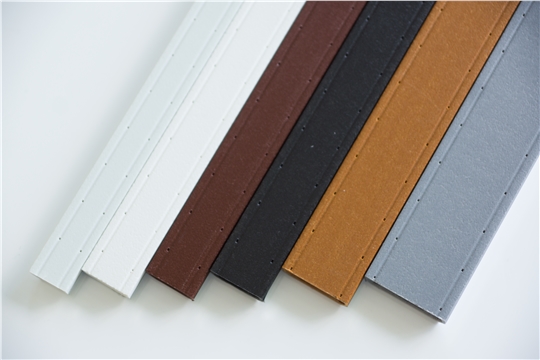
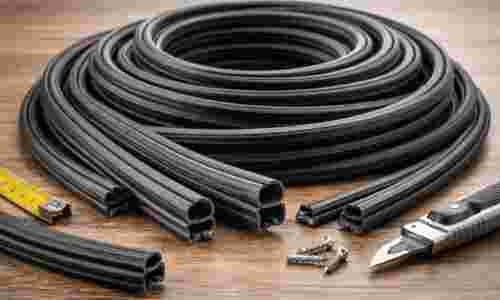
Polyamide spacers are available in dozens of colors. In most cases, you will find them in black. The reason for this choice (black color) is that they perfectly match the frame gaskets, which are also black, and in many cases, the handles and hinges of the frames, providing a more aesthetically pleasing result.
Where are polyamide spacers often used?
Thermally insulating spacers for glazing that affect Ψg and consequently the overall performance – Uw thermal transmittance of a frame, are one of the most clever tricks used by frame manufacturers to reduce the thermal transmittance of the frame (Uw) in the ‘Exoikonomo’ program.
See other ways to reduce the thermal transmittance of frames for the ‘Exoikonomo 2021’ program.