





What are the best energy-efficient frames?
Many consumers wonder what the best energy-efficient frames are, what they offer, whether aluminum frames or PVC frames are superior, what energy characteristics determine the level of thermal insulation, what benefits they provide, how much they cost, and which ones to choose. In this article, we will analyze all the above questions.
What are energy-efficient aluminum frames?
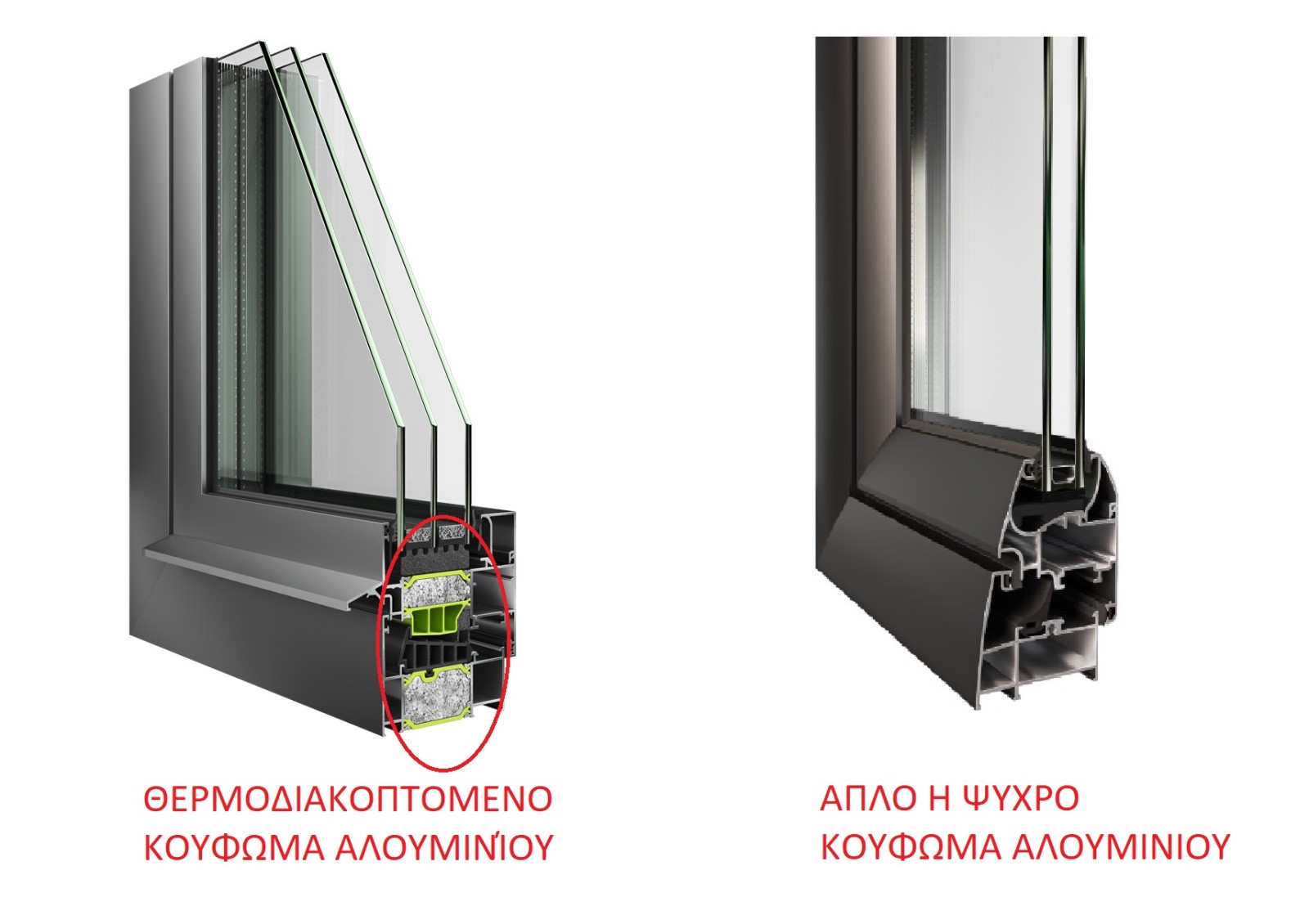
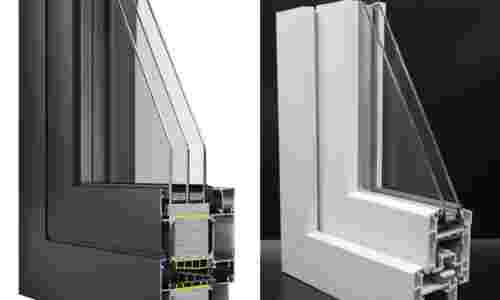
Aluminum frames are divided into two main categories: simple (conventional or cold) aluminum frames and energy-efficient – thermal break aluminum frames. Aluminum, as a metal, is a good conductor of heat. This means that in winter, conventional aluminum frames allow the transfer of cold from the external environment to the interior of our home, and similarly, in summer, the transfer of high temperatures. To prevent the transfer of heat and sound to and from our space, thermal break aluminum frames are now manufactured. These are frames that contain special insulating materials inside their profile (polyamide, thermal insulation bars, resin, etc.), which contribute to both the thermal insulation and the sound insulation of the frame.
How much do we save with energy-efficient frames?
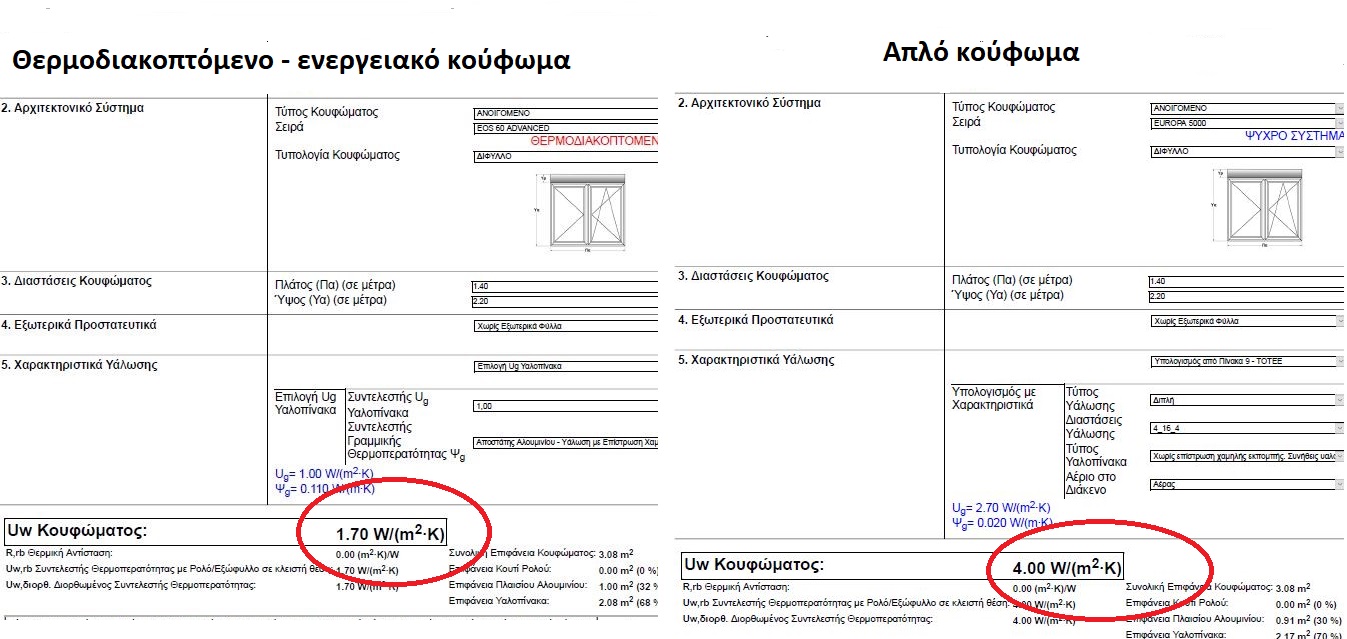
Let’s see, with an example, how much we save with energy-efficient aluminum frames.
The above photo shows a comparison, in terms of performance – thermal insulation, of two identical frames (double-leaf tilt-and-turn balcony doors measuring 140cm X 220cm). The 1st frame is a thermal break frame with energy-efficient glazing, while the 2nd is a simple – conventional frame with double glazing. The thermal transmittance coefficient – thermal insulation (Uw) of the 1st energy-efficient frame is 1.70 w/m2K, while that of the 2nd conventional frame is 4.00 w/m2K. This practically means that the 1st energy-efficient frame has lower losses, thus saving energy, compared to the 2nd, by approximately 60%. The savings, in fact, increase significantly if we compare frames with single panes or old wooden frames.
If you want to see exactly how much money you can save in your own home, check out our application how much we save by replacing our frames.
See a real experiment comparing simple and energy-efficient frames.
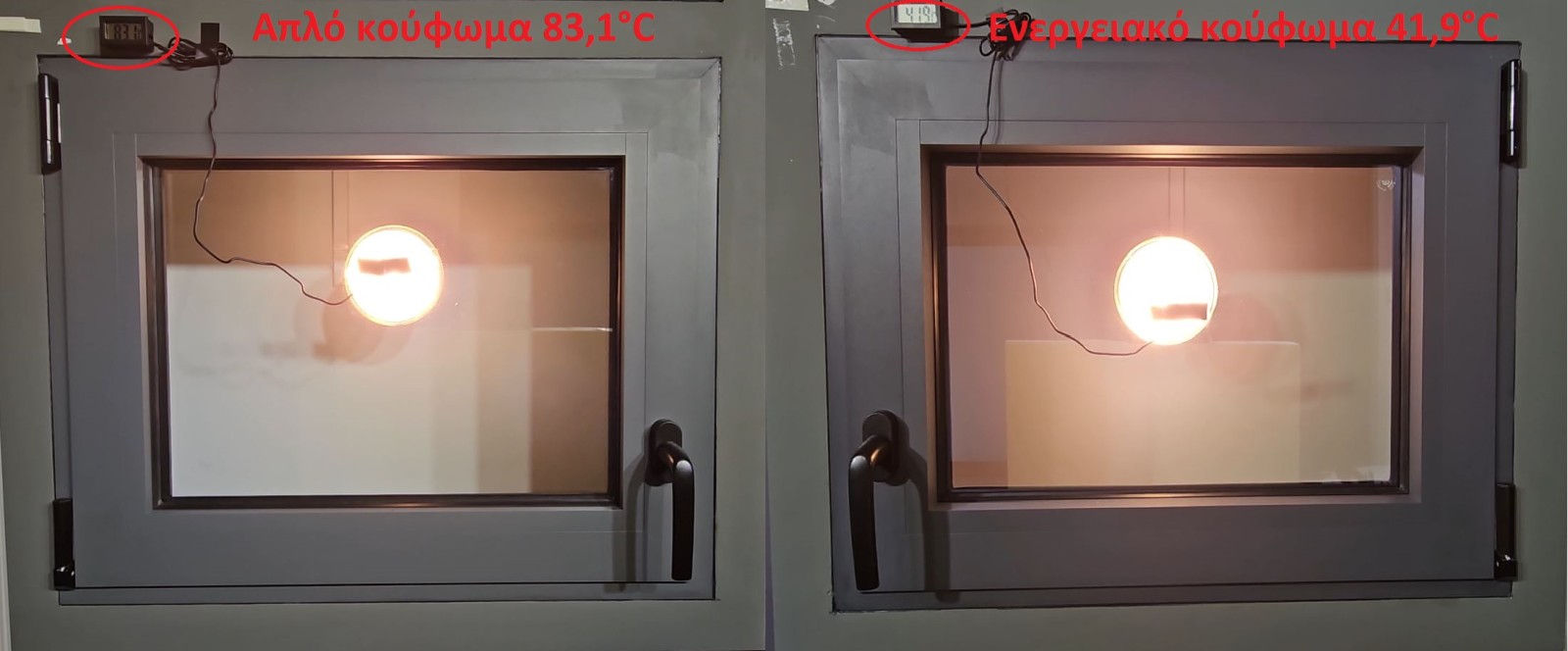
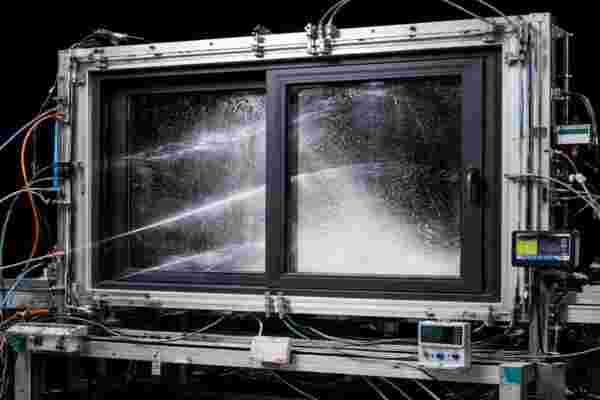
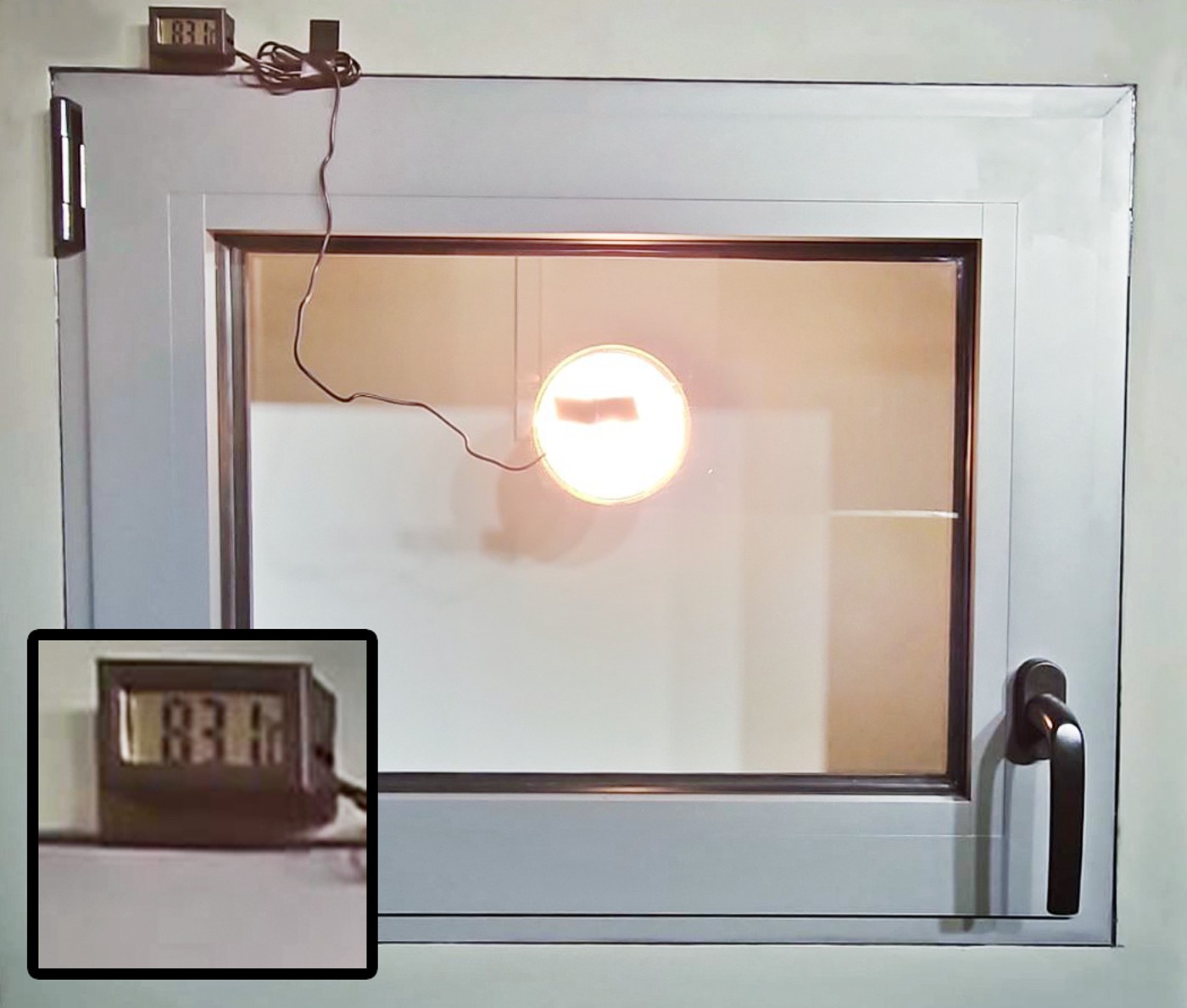
In the Fenestral showroom, we have constructed two frames measuring 70 cm X 56 cm, which we have placed in an airtight chamber. At the back of the chamber, a 175-watt infrared heating lamp has been installed, which emits 400 °C degrees Celsius, while a thermometer has been placed at the front of the frames.
One frame is made with simple Europa aluminum profiles (Prima 850 series) and has simple double glazing with a cross-section of 4mm / 16mm air / 5mm. The second frame is made with energy-efficient thermal break Europa aluminum profiles (EOS – 60 Hybrid series) and has 3rd generation double energy-efficient glazing with Argon gas, cross-section 4mm / 16mm argon / 5mm Low – E glass.
The frames are exposed to high temperatures for 10 minutes, and you can see the resulting outcome.
You can see the entire experiment in the section and in How effective are energy-efficient aluminum frames with energy-efficient glazing
What are the categories of energy-efficient aluminum frames?
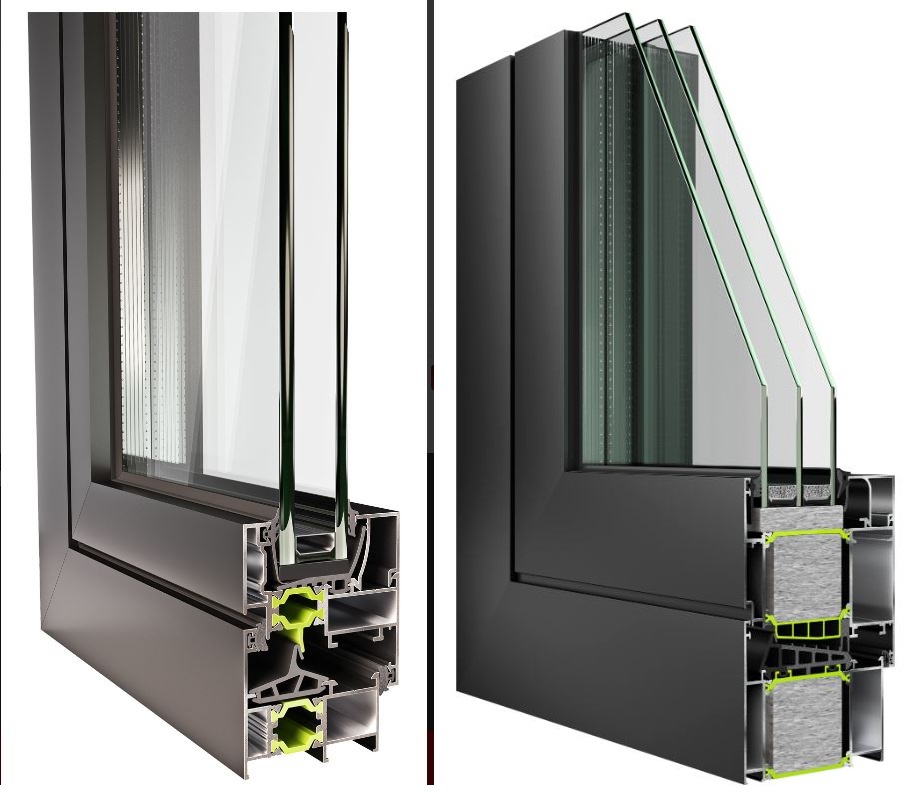
There are dozens of series for the construction of energy-efficient aluminum frames. Each series offers different technical frame characteristics. However, there are two (2) basic categories of energy-efficient aluminum frames that determine what the best energy-efficient aluminum frames are:
- Energy-efficient aluminum frames with thermal break
- Energy-efficient aluminum frames with thermal break and additional insulating materials (Advanced).
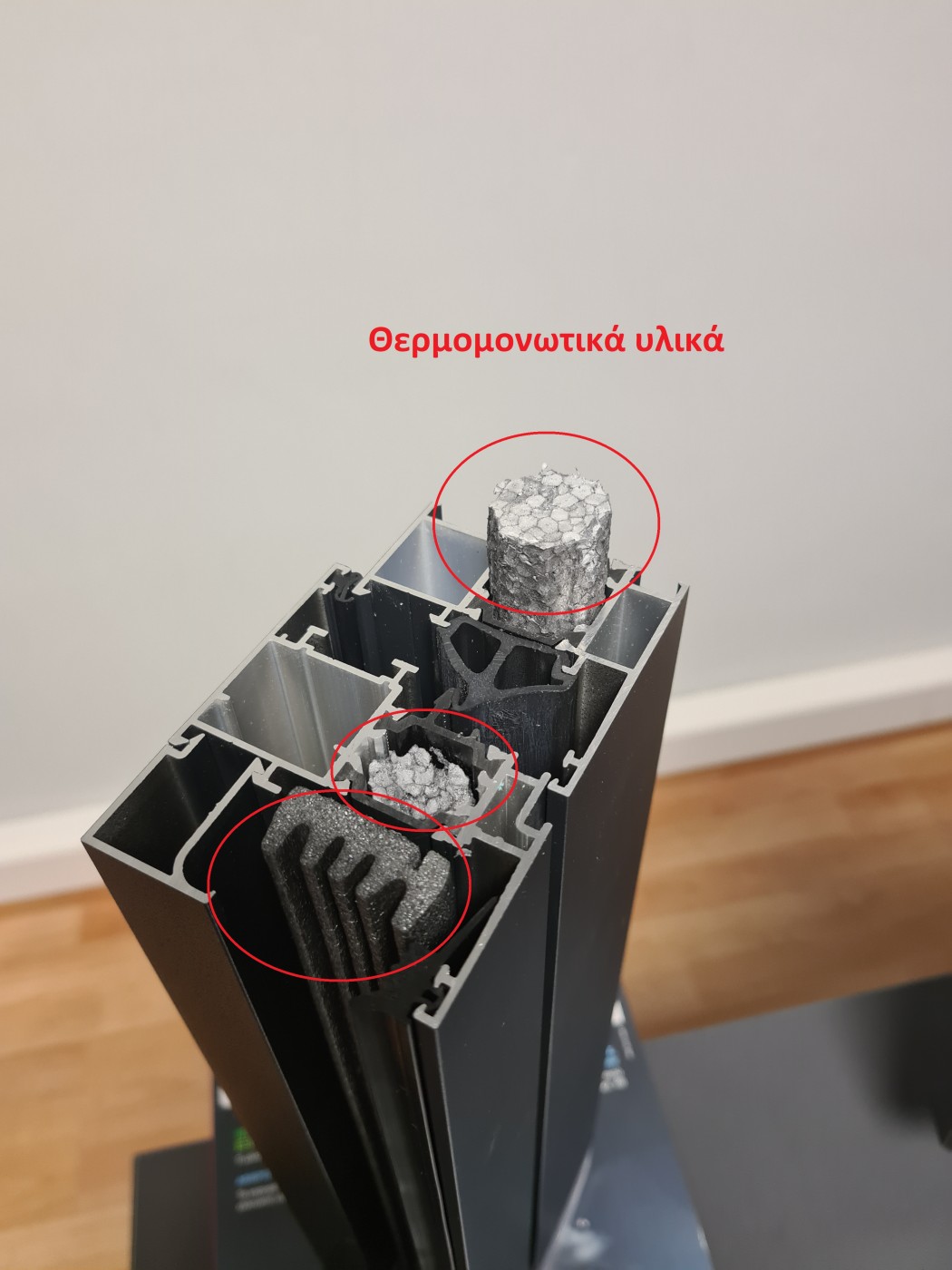
The two above categories differ only in the addition of insulating materials between the polyamides of the thermal break, and also under the glazing. A modern energy-efficient frame, for example (e.g., Europa Eos – 78 Hybrid), can be constructed in two (ways), either as an energy-efficient thermal break frame, or as an Advanced energy-efficient thermal break frame with additional insulating materials.
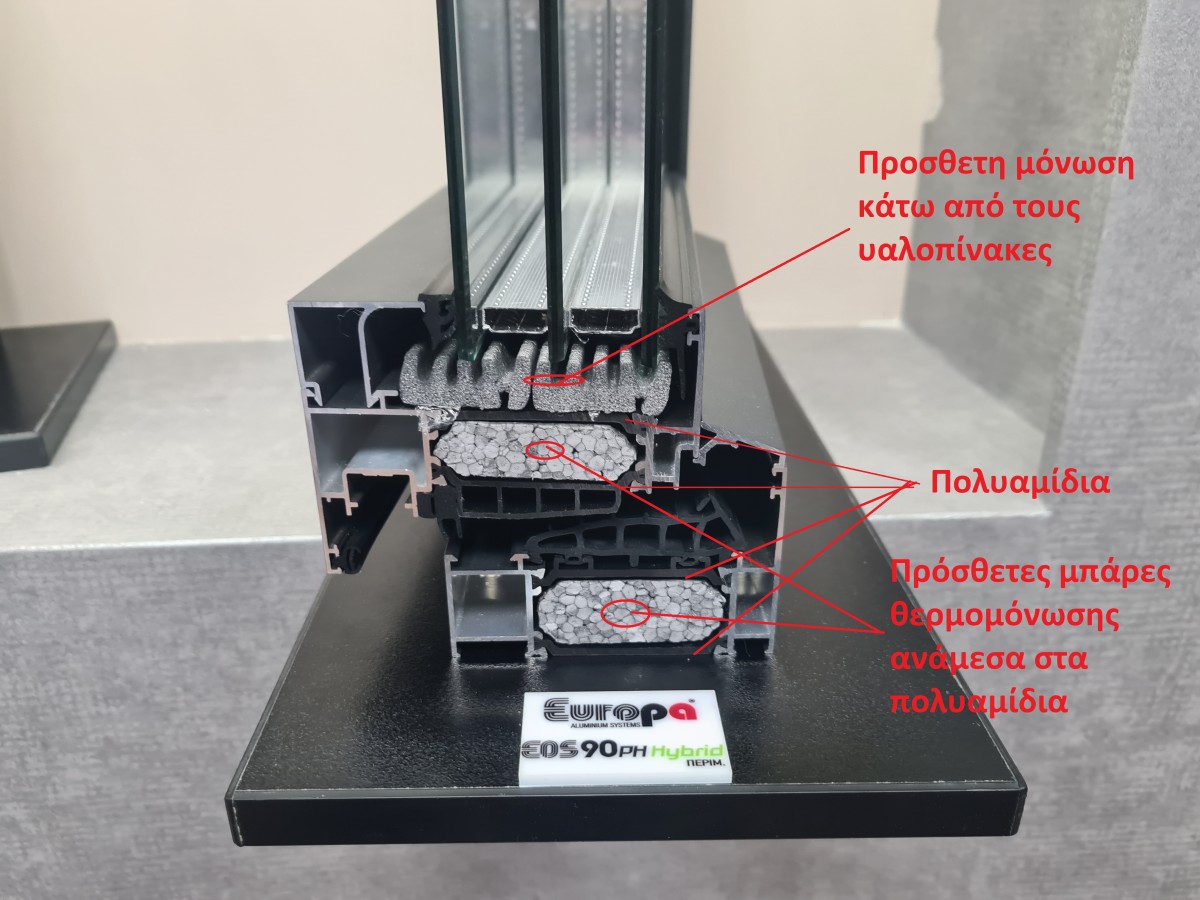
The additional insulating materials are added between the polyamides and under the energy-efficient glazing, dramatically increasing the thermal transmittance – thermal insulation, sound insulation, and airtightness coefficients, as we will see below, which defines them as better energy-efficient frames compared to thermal break frames.
What are the best energy-efficient frames?
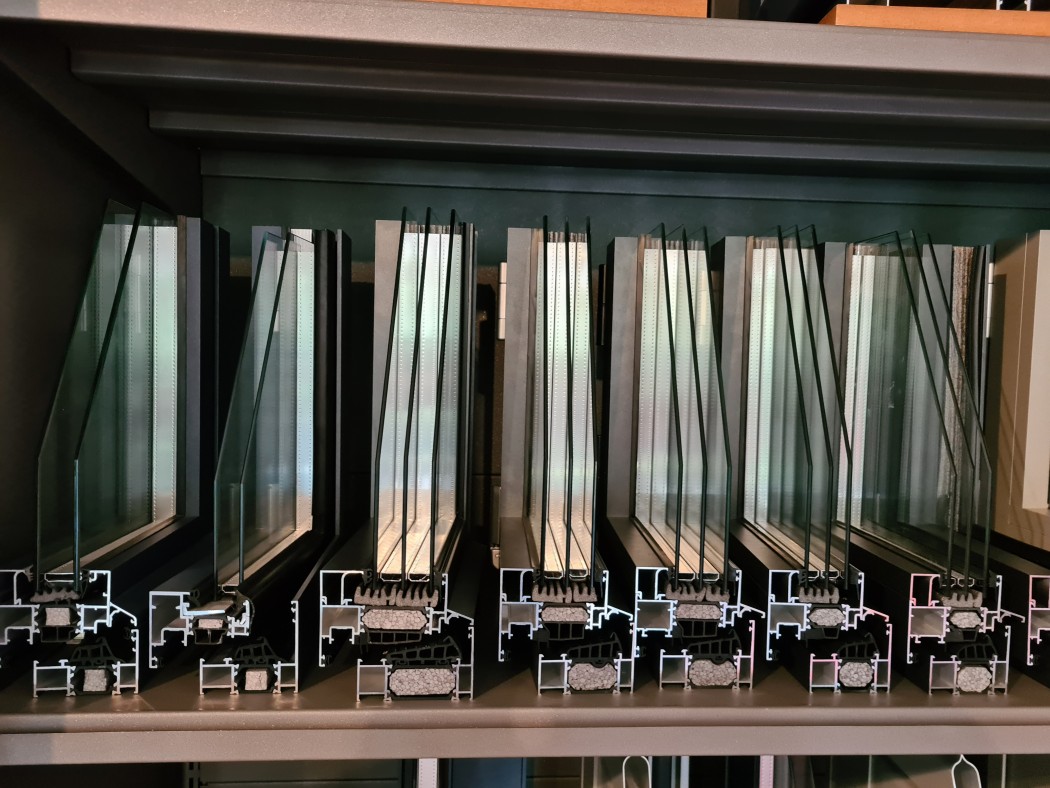
What, however, are the best energy-efficient frames and what technical characteristics determine their superiority?
Now, for all aluminum frames, according to European legislation, their technical characteristics must be stated, so that the consumer knows the performance of the frame they intend to purchase. The main technical characteristics that define the best frames are:
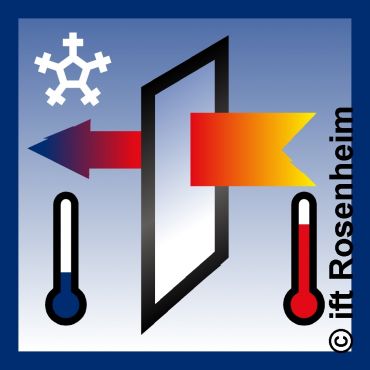
- The thermal transmittance coefficient (thermal permeability – thermal conductivity) of the frame, which shows us the thermal insulation provided by the specific frame.
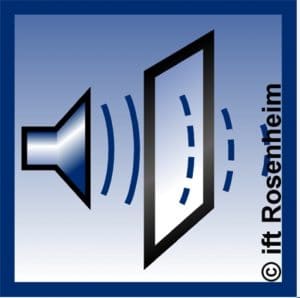
- The sound insulation coefficient, i.e., the protection the frame offers us in terms of sound.

- The air permeability coefficient, which gives us information about the airflow passing through a frame when it is closed.
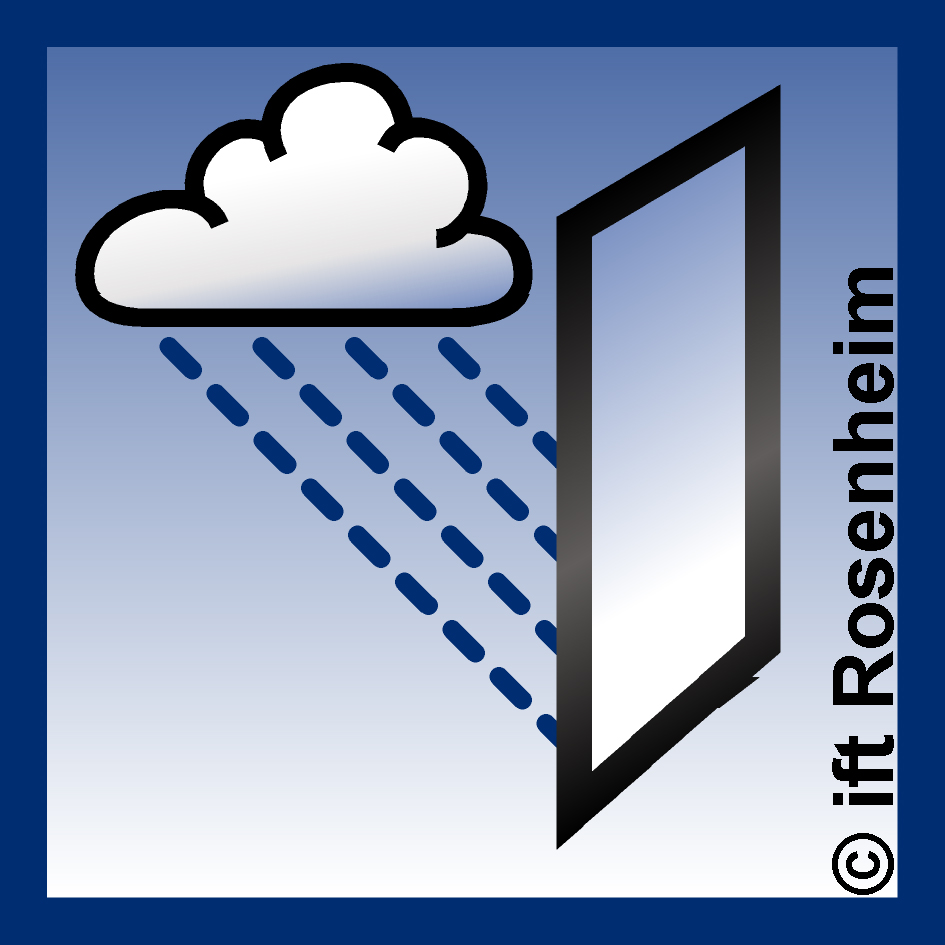
- The water tightness coefficient, which informs us at what pressure the frame will lose its water tightness and water will pass into the interior of our space.

- The wind resistance, which measures the deformation of a frame due to the pressure exerted by the wind.
*In case the specific technical characteristics state “Npd” (non performance declared = no declared measurement), it means that we do not know the specific characteristics (they have not been measured by the company that designs them).
Therefore, to find out what the best energy-efficient frames are, you should look for all the above technical characteristics and compare your options, always taking into account the location of the property, its needs, and your budget.
Comparison of energy-efficient aluminum frames with PVC – plastic
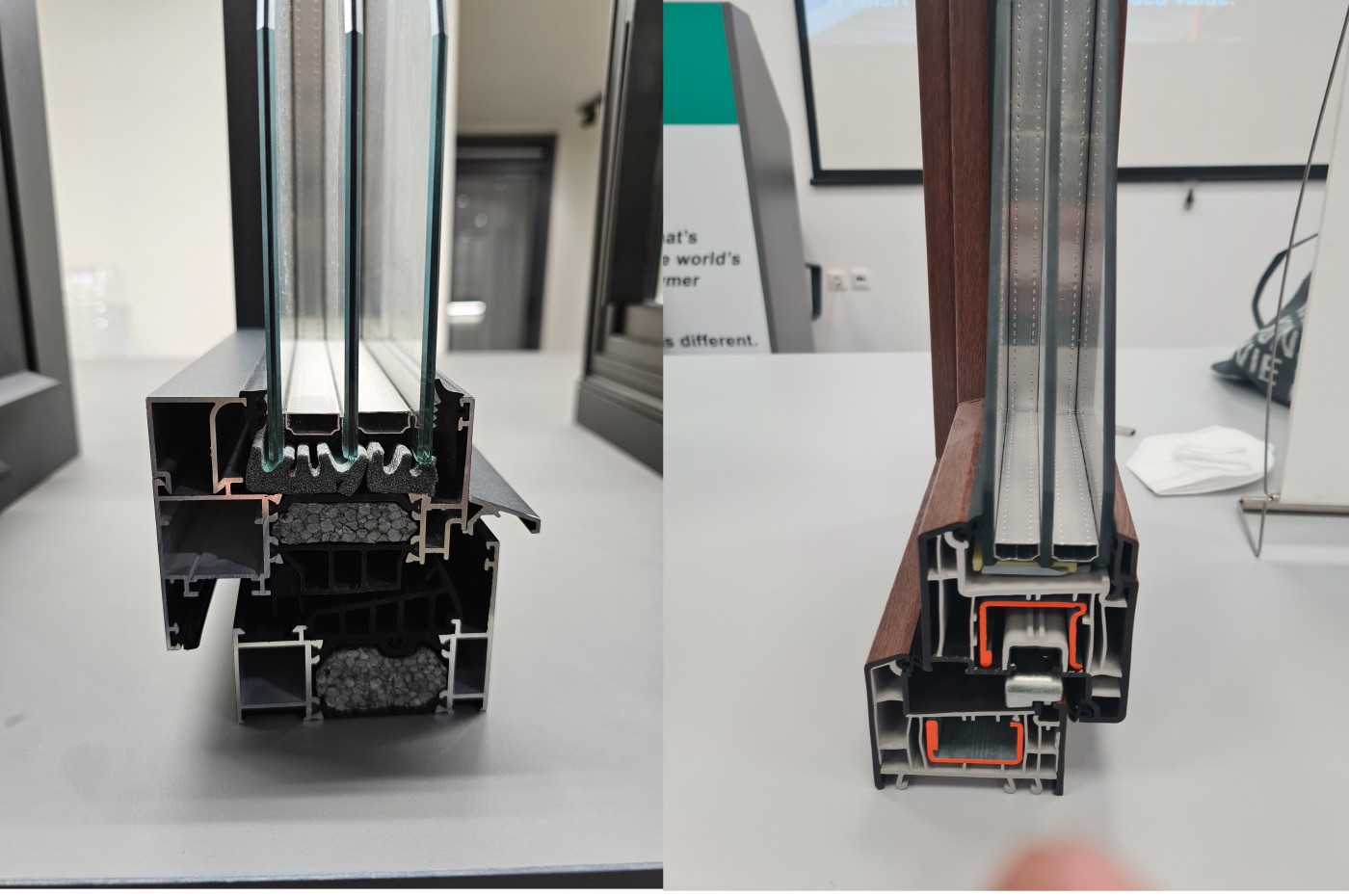
The two most common materials for the construction of energy-efficient frames are energy-efficient aluminum frames and PVC – plastic frames. What, however, are the best energy-efficient frames?
The two materials mentioned above have similar technical characteristics, but significant differences regarding durability over time and sunlight exposure, their prices, the types and kinds of frames that can be made from them, as well as their resistance to specific conditions. See the advantages and disadvantages of each material in detail in our article aluminum or PVC frames?
Pitfalls in the construction and selection of suitable energy-efficient frames
The purchase of energy-efficient aluminum frames is a costly investment that is usually made once. Therefore, we must be very careful in selecting the series, the frame manufacturer, the certificates provided, and the energy-efficient glazing we choose for them. Let’s look at the main pitfalls in selecting energy-efficient frames.
Choosing an energy-efficient frame manufacturer
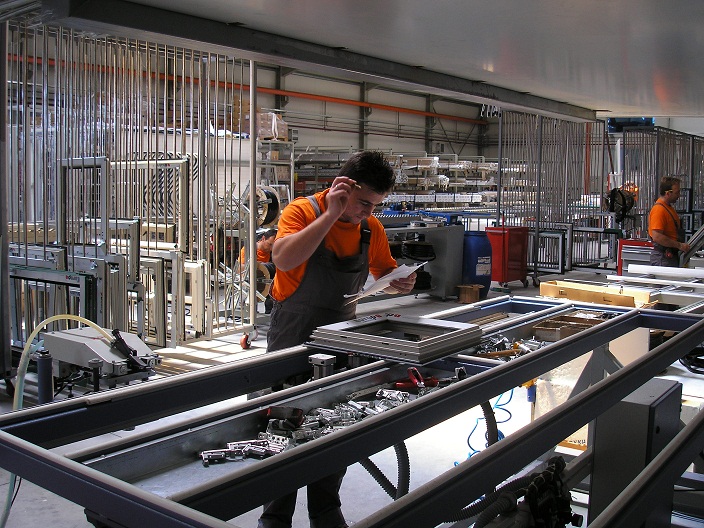
The choice of aluminum frame manufacturer is a crucial issue for the correct construction and installation of energy-efficient frames. If the frame manufacturer does not strictly follow the instructions given (technical specifications book for each series) by the design companies (e.g., Alumil, Europa, Etem, etc.), regarding materials, components, and the method of construction and installation, the frame you receive will not meet the performance (technical characteristics) stated by the design companies and for the frames tested in special test chambers. See more in our article frame certificates and technical characteristics.
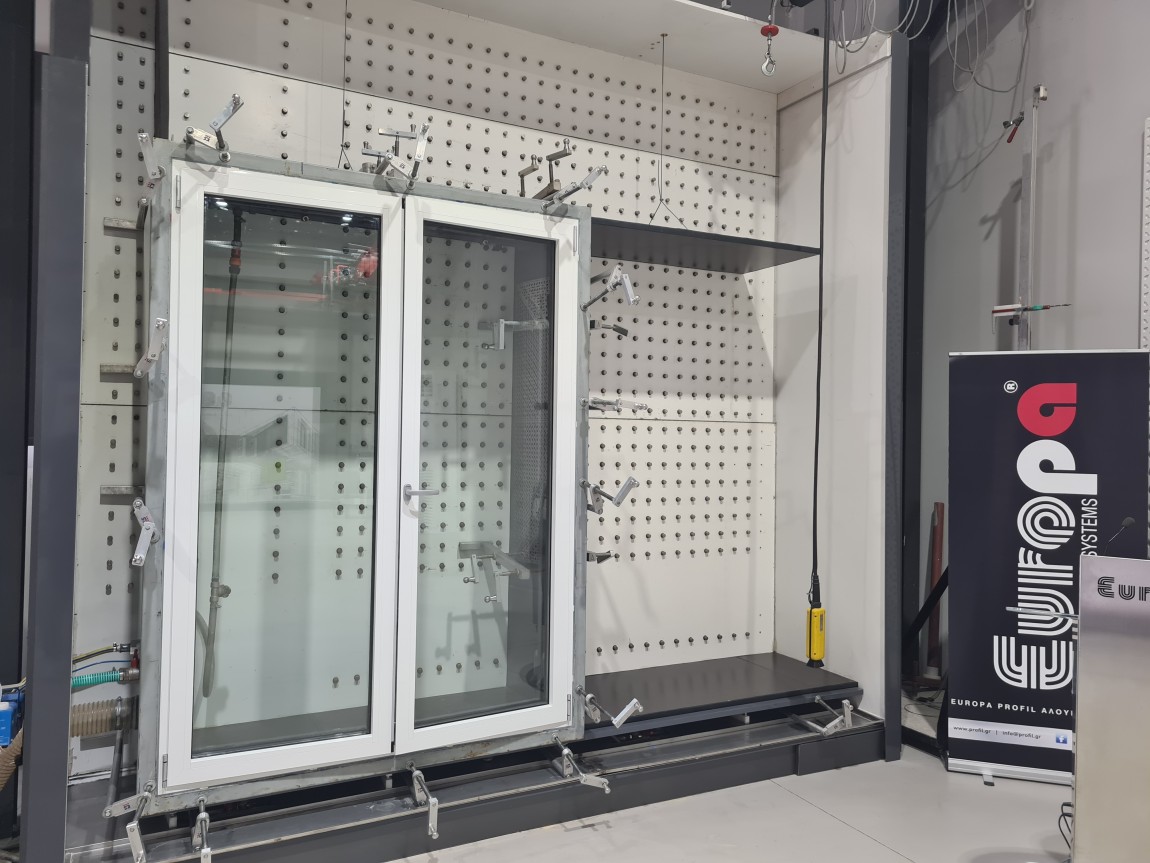
To understand how important the choice of an energy-efficient frame manufacturer is, we will give you an example of how much the absence of a single hole – drain can affect the performance of a frame. Recently, in technical seminars organized by Europa aluminum frames (Europa Lab), two identical frames were constructed and placed in special chambers to test their water tightness. The difference between the two frames was that one of them had two fewer frame drains at the bottom (2 versus 4). The result showed that the correctly constructed frame withstood 750 Pascal more pressure!
See more about what to look out for in our article aluminum frame manufacturers.
Energy-efficient frame certificates
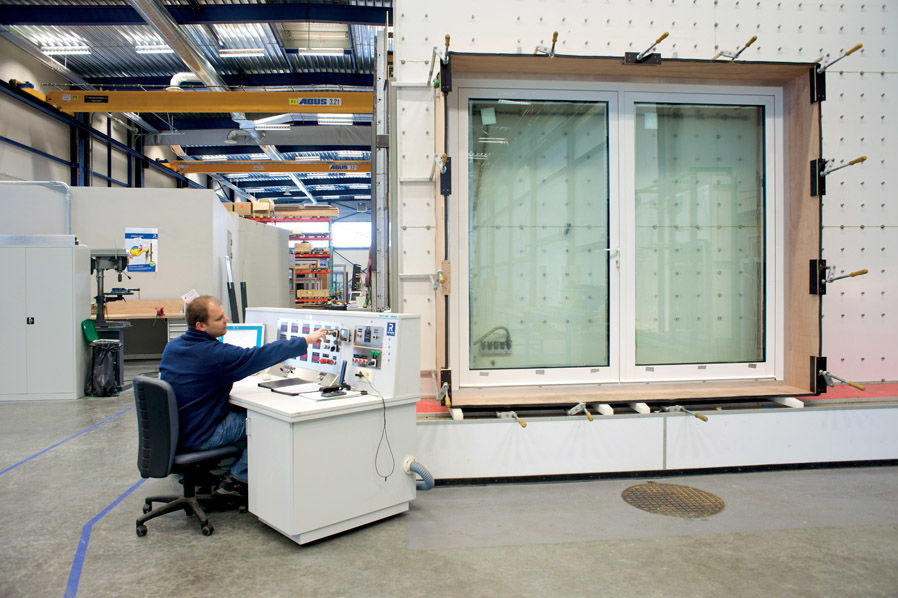
Energy-efficient frame certificates declare the technical – quality characteristics of each frame regarding thermal insulation, sound insulation, etc. For how these certificates are issued and how measurements are taken, read more in our article frame certificates and technical characteristics. How true are these results, however, and what should we pay attention to when comparing two different series (e.g., Europa EOS-60 vs Alumil M9660).
As mentioned above, companies that produce aluminum profiles (e.g., Alumil, Europa, etc.), when creating a series (e.g., Europa 5500), construct a test frame (specimen) which they test in special laboratories to check its capabilities regarding sound insulation, thermal insulation, etc. The dimension of the specimen, its type (opening or fixed), and the glazing used during the test critically affect the test result. For example, if one company has tested a 240cm X 220cm frame and another a 140cm X 140cm frame, the frames are not of the same dimensions, so the results cannot be compared. The same applies if the 1st frame is fixed and the 2nd is opening, but mainly, even if we compare two identical frames (dimensions and type), if one of the two specimens has glazing with better sound insulation capabilities (better glass), it is normal to have a better final result in the final measurement and in the sound insulation certificate.
In conclusion, when comparing two frame series, we should not only look at the result of these certificates (e.g., that the specific series has 50db sound insulation), but seek out their certificates and observe the dimension, type, and glazing used in the frames (specimens) that were tested. Finally, it should be noted that there are aluminum profile manufacturing companies that do not have publicly available test certificates, which makes the results they present indeterminate.
Selection of energy-efficient glazing and their pitfalls.
The selection of glazing – panes is an important factor for frame performance, especially in matters of thermal and sound insulation. There are dozens of types of energy-efficient glazing designed for different climatic conditions. For this and other issues, such as whether it is worth using triple energy-efficient glazing or what polyamide spacers offer in energy-efficient glass, read more in our article energy-efficient glass.
How much do energy-efficient frames cost (prices of energy-efficient frames)?
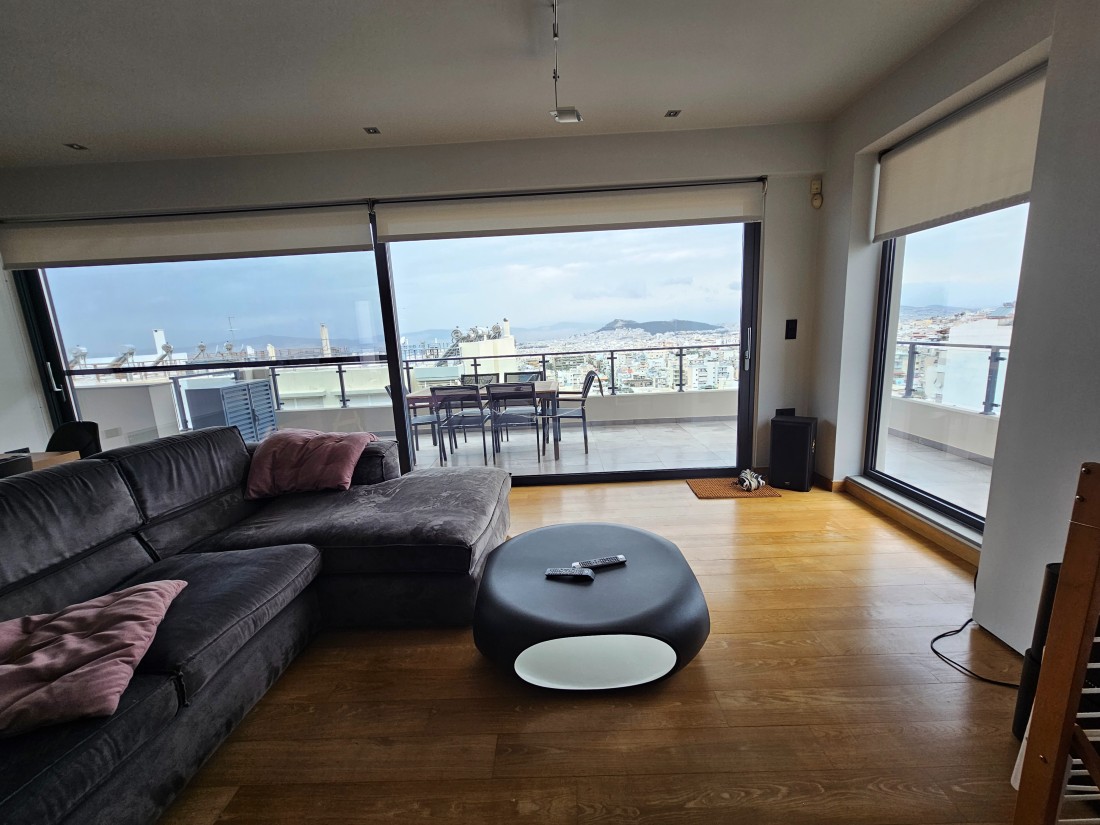
Energy-efficient frames now constitute 95% of the frames produced in Greece and are now essential in new constructions (Building Energy Performance Regulation). For this reason, and due to the European Union’s directive for gradual independence from oil, aluminum profile manufacturing companies (e.g., Europa, Alumil) offer very competitive prices for energy-efficient frames. But how much do energy-efficient frames cost and what are the prices of energy-efficient frames compared to simple ones?
Indicatively, we will mention that for the period 2024-2025, an average price for an opening energy-efficient balcony door with energy-efficient glazing, measuring 140X220, is approximately €1000 – €1100, while the average price for a similar simple balcony door with simple double glazing is €850 – €950. As we saw above, in the section on how much we save with energy-efficient frames, the performance difference in energy savings between the two frames can reach up to 60%, which means that the price difference between simple and energy-efficient frames can be recouped in a very short period.
Which energy-efficient frames should I choose and what are the best frames?
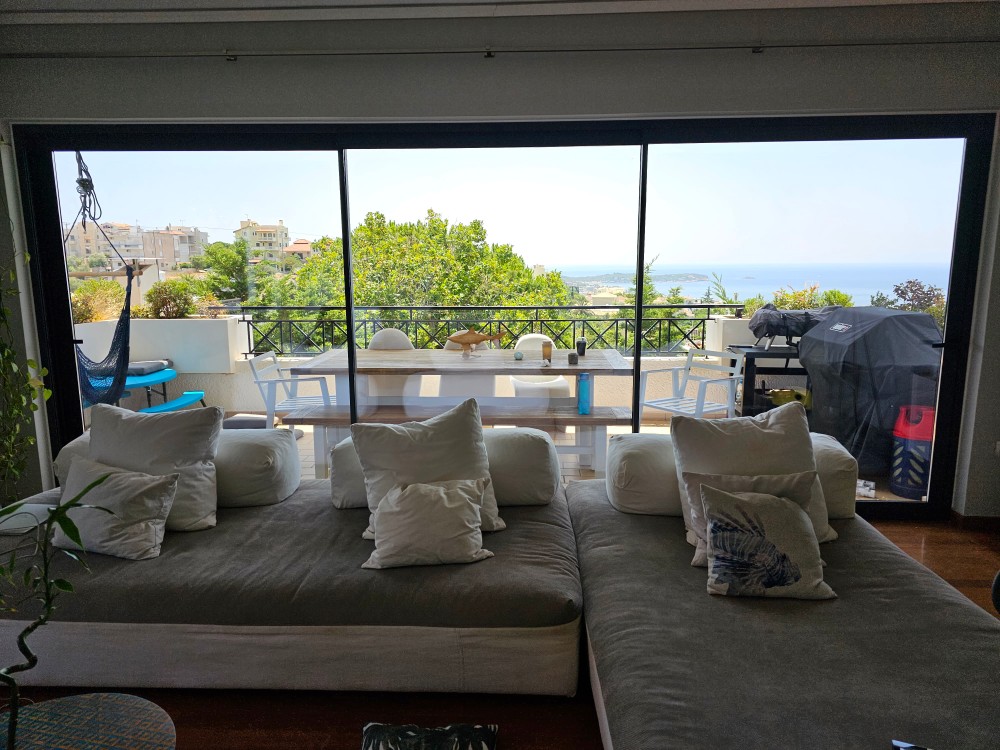
To finally determine which energy-efficient frames you should choose and what are the best energy-efficient frames for you, you should consider several factors such as:
- The location and position of the property
- The available budget
- The type of frames and shutters, because some materials (PVC vs Aluminum) do not allow for certain types of frames (e.g., flush frames) or are superior to others.
- The technical characteristics
- Specific needs (e.g., high sound insulation)
It should be noted that each series of energy-efficient frames (e.g., EOS – 60, Europa 5500) has been designed and addresses specific needs. Specifically, there are series:
- for mountainous areas and very high thermal insulation requirements (e.g., Eos – 90),
- series with sound insulation in mind (e.g., A-40 Si Hybrid)
- series that perfectly suit the urban environment (e.g., EOS – 60)
- series focused on aesthetics and large glass surfaces with less aluminum (e.g., Minimal Frame)
- series with curved profiles suitable for traditional frames that resemble old wooden frames (e.g., Europa 5500 hybrid)
- series with straight rectangular profiles and high thermal-sound insulation (e.g., EOS – 78)
so you should choose a frame – series that suits the needs of your property and not a very expensive frame whose advantages you will not be able to utilize in relation to its price.
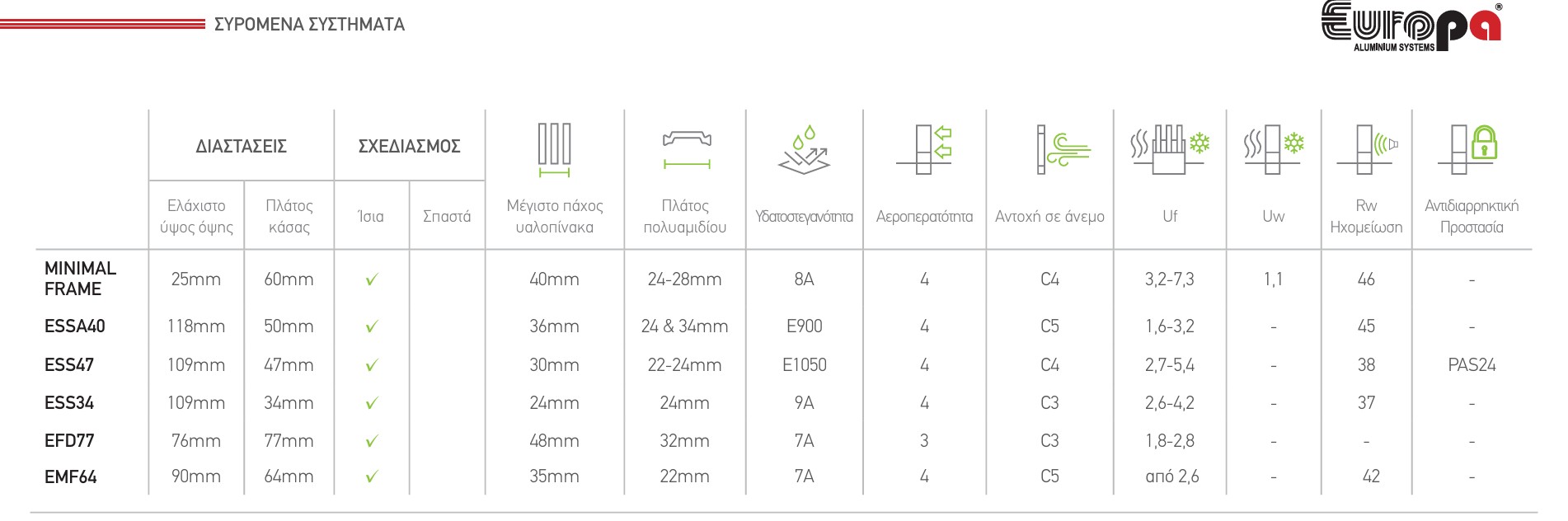
Energy-efficient aluminum frames Europa comparison
See tables with energy-efficient Europa aluminum frames and a comparison of the series in terms of their performance and technical characteristics
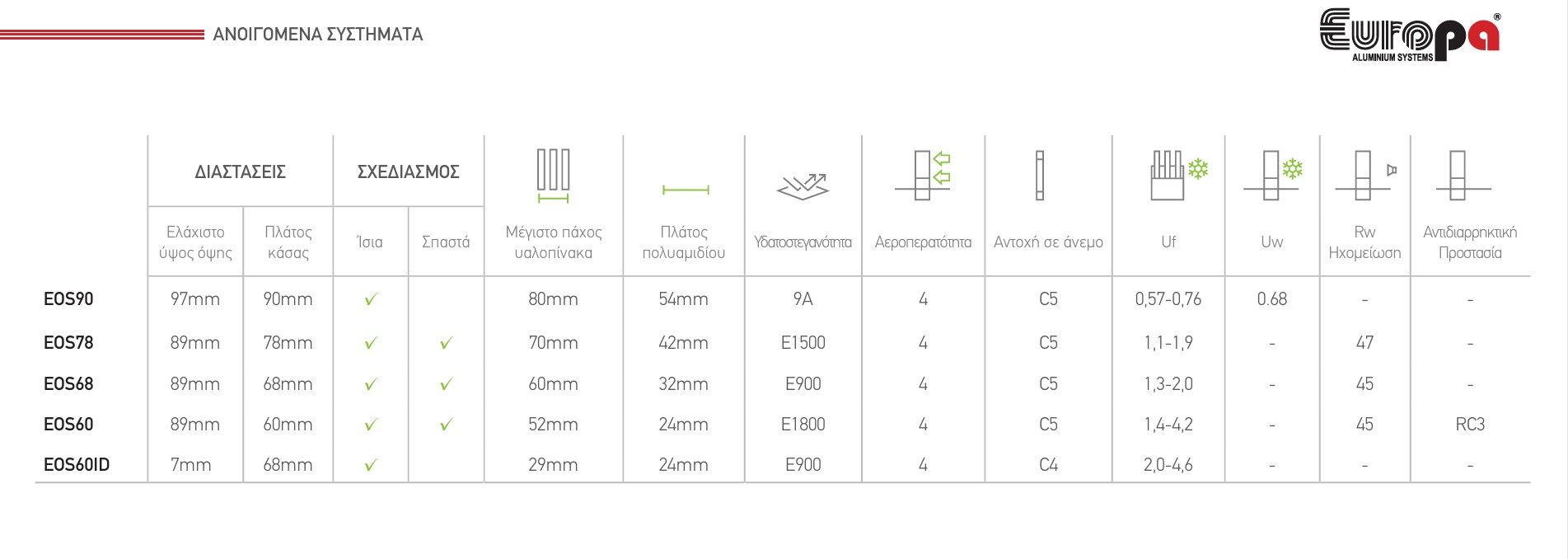
*The Eos -5500 Hybrid series is absent from the table of hinged aluminium frames, which has very high indicators for soundproof frames
Additional tips
- See exactly how much you save by replacing energy-efficient frames
- Will my energy-efficient frames show condensation – moisture – liquefaction and what does it depend on?
- Energy-efficient frames and fires which are better?
- Energy-efficient aluminum frames Vs energy-efficient PVC frames advantages and disadvantages.