







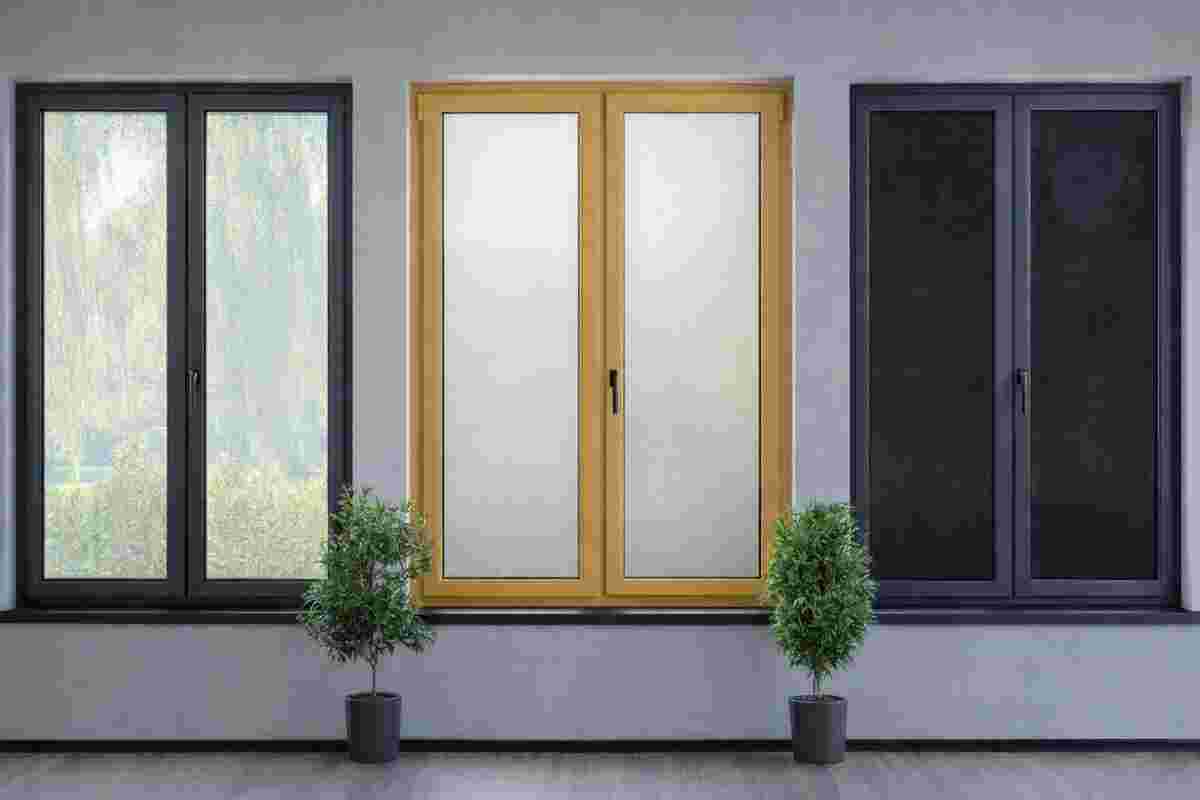
In this text, we will analyze all Types and Categories of Glazing – Glass. Glass panes (glazing – glass) occupy the largest surface area of a window, a balcony door, or a shop window, and therefore play a crucial role in safety, thermal insulation, sound insulation, and accident prevention. There are dozens of types and categories of glazing – glass, so in this text, we will analyze what single, double, and triple glazing – glass are (plain and energy-efficient), what Triplex glazing is, soundproof glazing, and many more.
Single Glazing
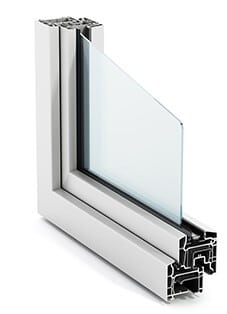
Single glazing is the basic version of glass panes. It consists of a single glass pane and can be found, in the field of aluminum frames, in various thicknesses starting from 3 mm and reaching 12 mm thick. The most common constructions for windows and balcony doors are those of 4 mm, 5 mm, or 6 mm. Single glazing is used in older constructions, with low requirements regarding thermal and sound insulation, mainly due to its very low price.
Extra clear glazing
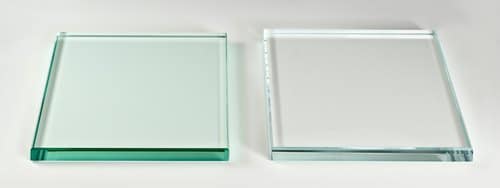
Extra clear glazing consists of single panes that offer greater clarity and transparency than ordinary glass. Extra clear glazing is manufactured in various cross-sections and thicknesses (from 3 to 12 mm) and can be made into plain double glazing, or with coatings to become energy-efficient glazing, or laminated and modified into triplex, which we will discuss below.
Single Wired Glazing
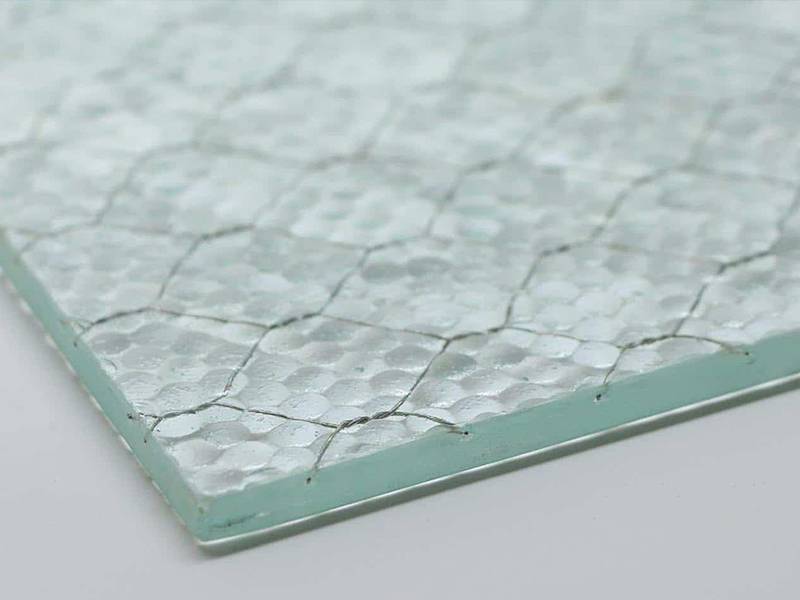
Single wired glazing (reinforced glass panes) are single glass panes, usually 6 mm thick, into which a special metal mesh – wire – has been applied to increase their resistance to safety and impact issues. Wired glazing has greater durability than Triplex glazing of the same cross-section (3+3). The metal mesh inside the glass pane holds the glass in place if it breaks (the glass remains in place even if pierced) and makes it particularly difficult to break into. Wired glazing is usually found in opaque colors (white, tinted, sandblasted, Bronze).
Plain Double Glazing – Glass Panes
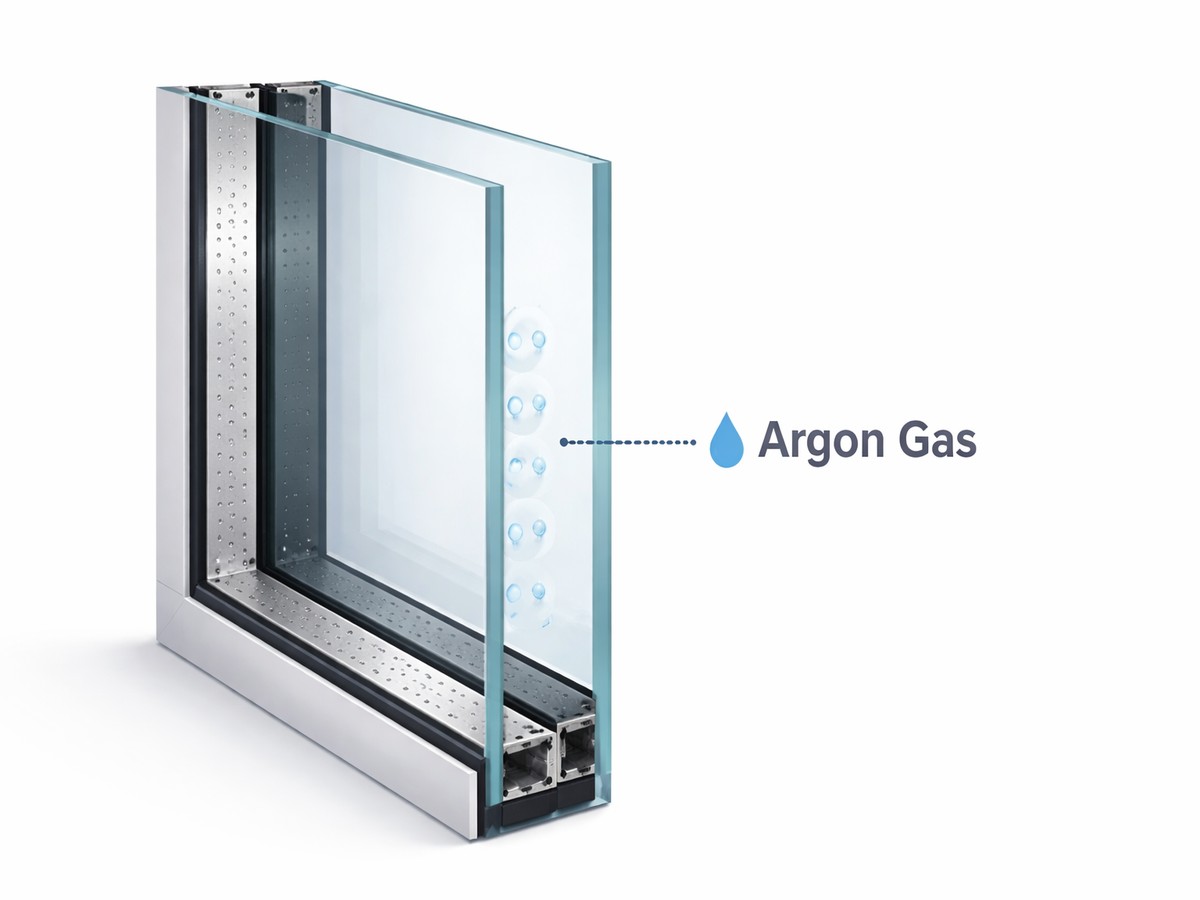
Plain double glazing – glass panes are the result of joining two (2) single panes which are separated by a spacer, thus creating a gap (glazing cavity) between the two glass panes, which is filled with dry air or other gases (argon). Plain double glazing was continuously encountered in frame constructions until the advent of energy-efficient double glazing. Plain double glazing is usually found in frame constructions, in thicknesses of 4, 5, and 6 mm, and offers thermal insulation of approximately 2.8 W/m2K. In this case too, there are companies that offer extra clear double glazing for greater clarity. Let’s see what plays a role in the performance and quality of plain double glazing.
- The thickness of the gap between the two panes plays a crucial role in the thermal and sound insulation of the frames. The ideal gap for the thermal insulation of plain double glazing is 16mm (performance 2.8 W/m2K). If this is reduced or increased, we have lower performance regarding thermal insulation for double glazing.
The ideal gap for maximum sound insulation is 20mm.
- The thickness of the glass affects the resistance of the glass panes to impact, thermal insulation, and sound insulation. For conventional frame dimensions, double glazing of 4 and 5 mm is used, while for large-sized frames, the thickness should be increased (6 mm, Triplex, etc.).
- Asymmetrical (different) thicknesses in double glazing should be preferred to increase the sound insulation of double glazing (avoiding resonance).
- Filling the gap with argon gas (instead of dry air) offers an increase in thermal insulation of approximately 0.3 W/m2K.
- There are several ways in which double glazing is bonded together. The type of bonding affects their behavior. The double sealing method, with Butyl and polysulfide (2-component adhesives), is the most prevalent for better behavior in temperature changes (cold – heat) and preventing moisture between the double panes.
Energy-Efficient Double Glazing (Types and Categories of Glazing – Glass)
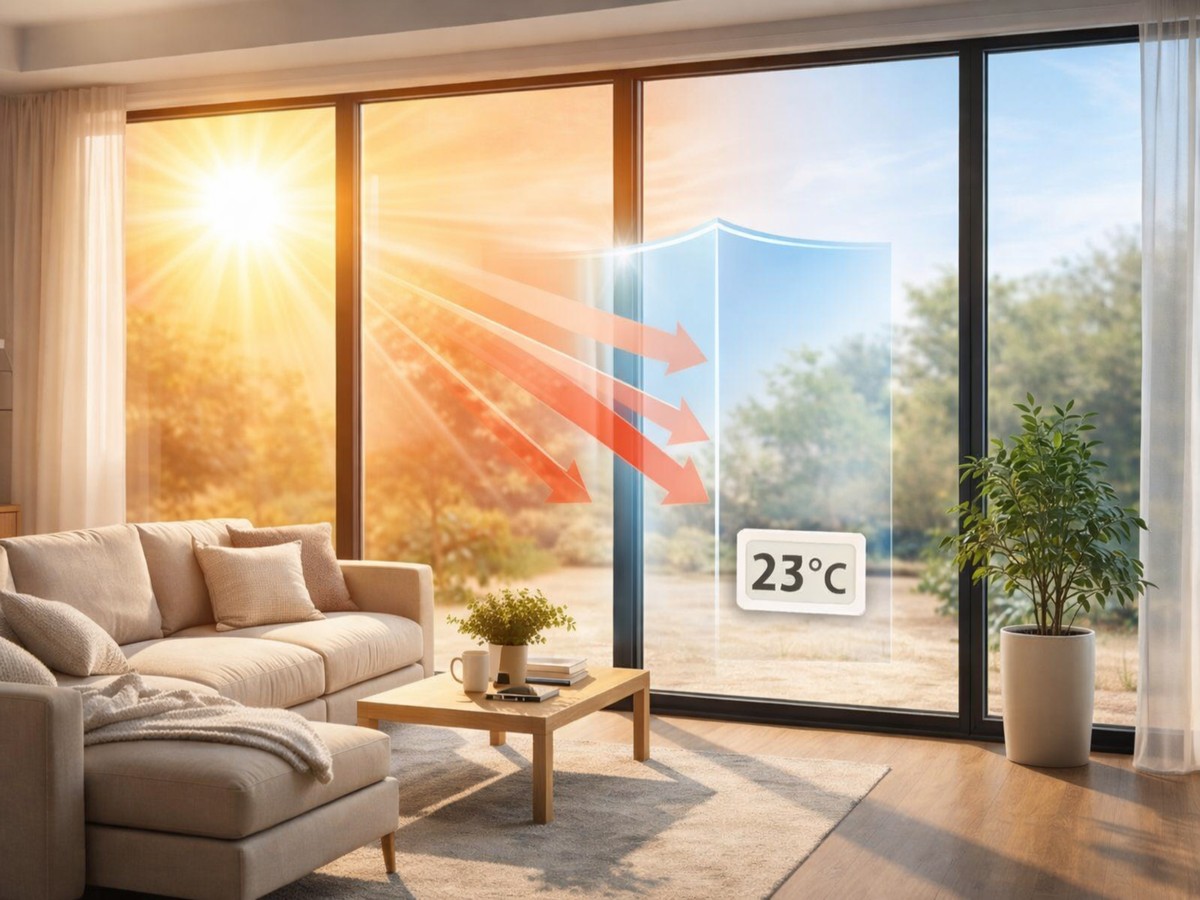
Energy-efficient double glazing is an entire category of glass, with dozens of gradations, qualities, and prices. Energy-efficient double glazing also consists of two (2) panes, a plain pane and an energy-efficient pane, which are separated by a spacer, thus creating a gap (glazing cavity) between the two glass panes, which is filled with dry air or other gases (argon). Opaque metallic oxides – films have been placed on the energy-efficient glass, which have the property of absorbing and emitting energy (cold, heat) outwards.
Energy-efficient double glazing revolutionized the field of aluminum frame construction because it has 3 times greater performance in terms of thermal insulation (plain double glazing thermal insulation 2.8 W/m2K – energy-efficient double glazing thermal insulation 1 W/m2K).
Energy-efficient double glazing is divided into several categories (Types and Categories of Glazing – Glass), but the main categories are those widely known as 2-season and 4-season energy-efficient glazing. The main difference between 2-season and 4-season energy-efficient glazing is their behavior during the summer – warm months. 2-season energy-efficient glazing allows the sun’s heat (solar energy) to pass into our home and consequently heat objects, creating greenhouse conditions. This is ideal in very cold countries but unprofitable in countries like Greece with intense sunshine. 4-season glazing features special films – coatings that allow sunlight to pass into our home, but prevent the sun’s heat, resulting in energy savings through the non-use of air conditioners.
See a full analysis of Types and Categories of Glazing – Glass, all types, prices, performances, and how to choose, in our article energy-efficient glazing.
Triple Glazing and Energy-Efficient Triple Glazing
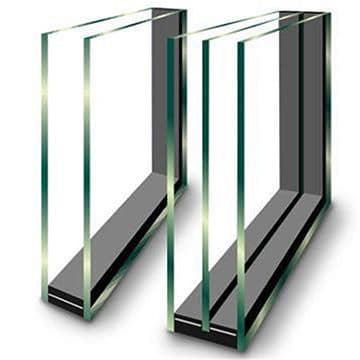
The difference between double glazing (plain or energy-efficient) and triple glazing is that in triple glazing, an additional gap and pane are added (1st pane – gap – 2nd pane – gap – 3rd pane). The thickness of the panes is usually 4, 5, or 6 mm.
For energy-efficient triple glazing, there are 2 categories. The first category has a composition consisting of 2 plain panes and 1 energy-efficient pane, and the second category consists of 1 plain pane and 2 energy-efficient panes.
- 1st plain pane – gap – 2nd plain pane – gap – 3rd energy-efficient pane
- 1st plain pane – gap – 2nd energy-efficient pane – gap – 3rd energy-efficient pane
Energy-efficient triple glazing, in its most efficient version, can achieve thermal insulation of approximately 0.6 W/m2K, while also achieving quite high sound insulation.
What we gain with energy-efficient double glazing compared to energy-efficient triple glazing
Let’s see what we gain in thermal insulation (Uglass – glazing thermal transmittance coefficient) with plain double glazing compared to energy-efficient double glazing and energy-efficient triple glazing.
- Plain double glazing thermal insulation coefficient 2.8 W/m2K
- Energy-efficient double glazing thermal insulation coefficient 1 W/m2K
- Energy-efficient triple glazing thermal insulation coefficient 0.6 W/m2K
As shown above, by installing energy-efficient double glazing instead of plain double glazing, we achieve approximately three times greater energy savings. When comparing energy-efficient double glazing with energy-efficient triple glazing, the savings are much smaller. The performance in relation to the prices of energy-efficient triple glazing makes many doubt the price/benefit ratio. In terms of sound insulation, triple glazing achieves much better results and approaches the levels of soundproof Triplex glazing, which we will see below (Types and Categories of Glazing – Glass). See prices and benefits of energy-efficient glazing.
Safety Glazing Triplex – or Laminated, what is it?
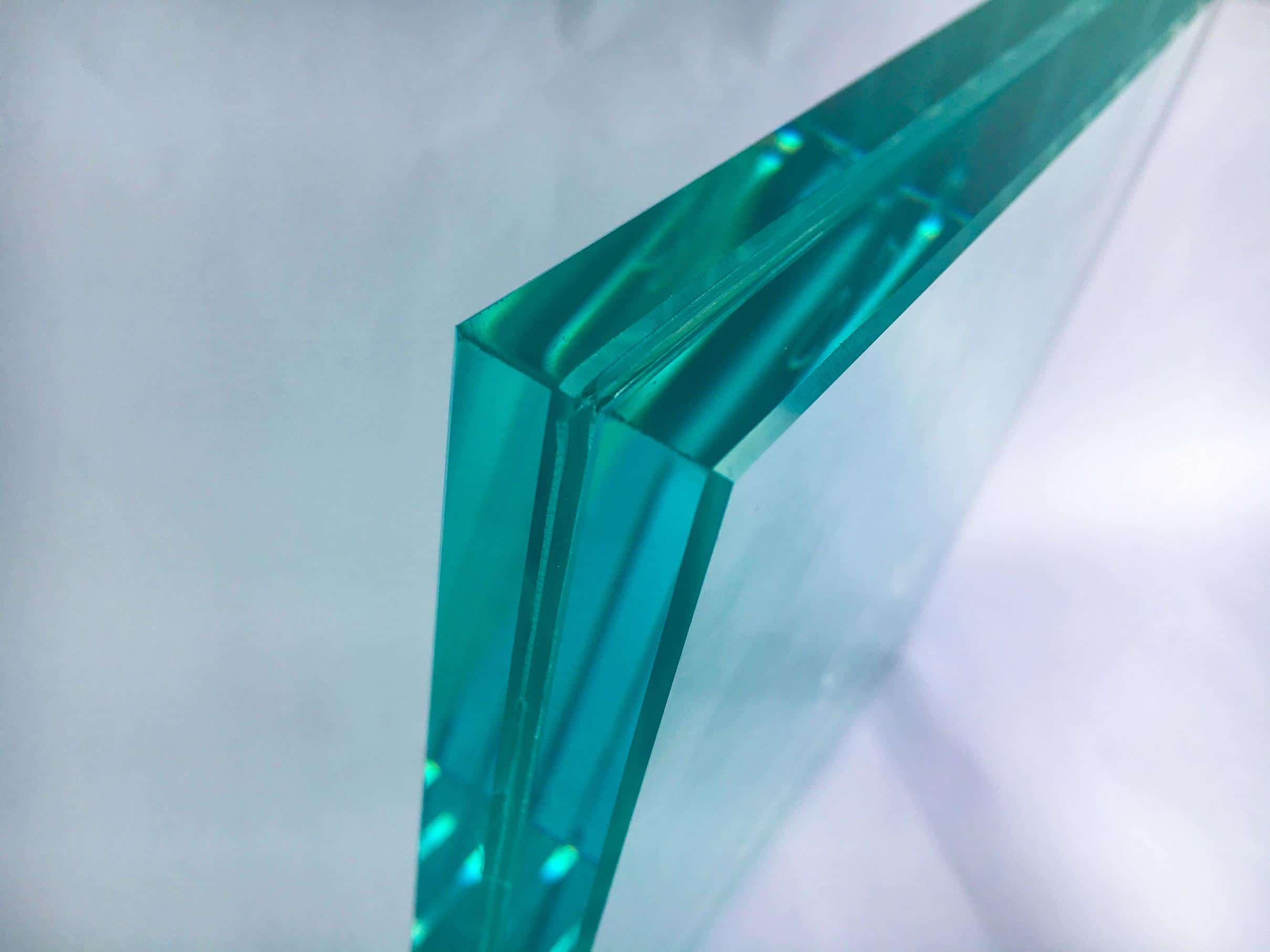
So, let’s see what Triplex glazing is. Triplex – or Laminated Safety Glazing consists of 2 single panes, which are bonded together with an adhesive film (opaque PVB film), which joins – bonds them and makes them a single body like a single pane. The film that joins and bonds the 2 panes (there is no gap between them) acts as a shield, preventing the 2 panes from collapsing if they break accidentally (accidents) or intentionally (thefts). Triplex glazing offers safety because after breaking, they remain in place, and for someone to penetrate them, they would have to make noise and take more time. Additionally, the PVB films, placed in Triplex safety glazing, protect against ultraviolet radiation, which is the cause of color damage to all objects (furniture, clothes, floors) and also a cause of sunburn (tanning) on human skin.
The most common Triplex glazing used comes from the bonding of 2 single panes of 3 mm thickness (3+3 triplex), 4 mm thickness (4+4 triplex), and 5 mm thickness (5+5 Triplex). The thickness of the panes affects their durability.
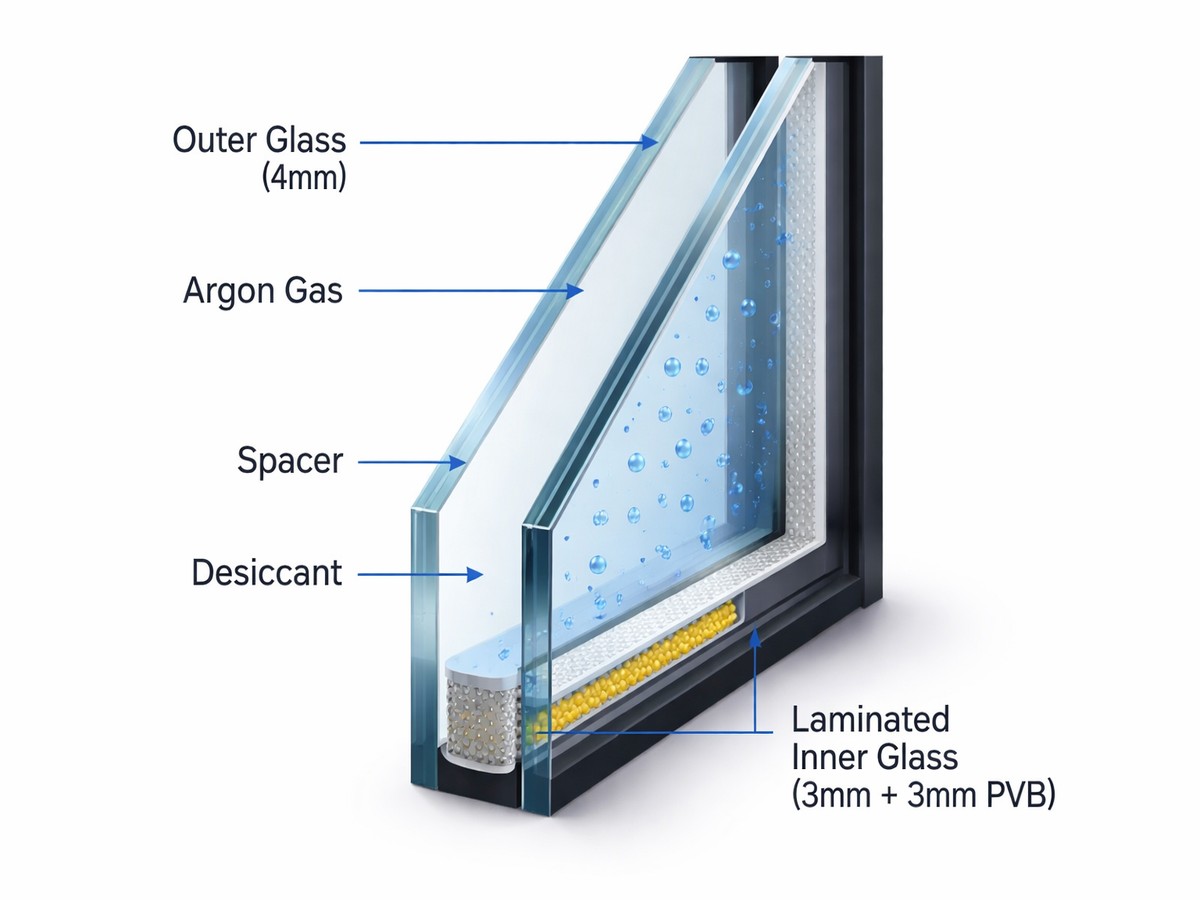
By adding another energy-efficient pane and creating a gap between the 2 bonded panes (3+3, 4+4, 5+5, etc.) and the energy-efficient glass pane, we create energy-efficient Triplex glazing. Energy-efficient Triplex glazing can take many forms depending on the thickness of the joined Triplex panes (3+3, 4+4, etc.), the thickness of the gap (12mm, 14mm, 16mm, etc.), and the thickness of the energy-efficient glass pane (4mm, 5mm, 6mm, etc.). The final form we have is:
- TRIPLEX (3+3 or 4+4 etc.) / gap (12 or 14 or 16 mm) / energy-efficient pane (4mm or 5mm or 6mm etc.).
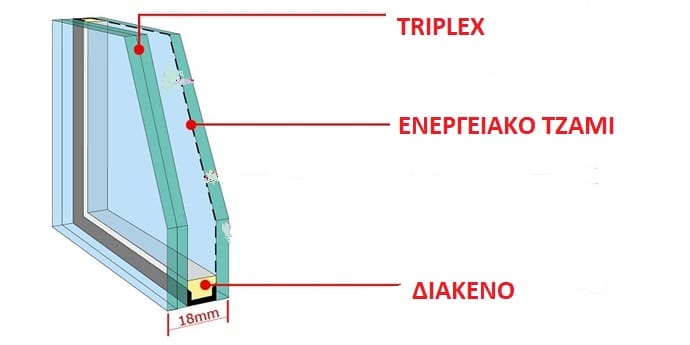
The films that join triplex glazing can also have many shades (opaque, colored, sandblasted, etc.)
Triplex – or Laminated Safety Glazing is widely used to increase the security of frames against theft, and also to protect users, especially young children, in case of accidental breakage (see article accidents with frames).
It should be noted here that a 3+3 triplex pane (6 mm total) has less impact resistance than a single 6 mm pane. The reason Triplex glazing is attractive is its property of not collapsing uncontrollably and remaining in place after breaking, making access (break-in) more time-consuming and noisy.
Soundproof Triplex – Triplex Glazing

The difference between Triplex glazing and Soundproof Triplex glazing lies in the use of multiple sound-acoustic – sound-absorbing films. In soundproof glazing, 2 or more films are used, which have the property of absorbing sound, especially at certain frequencies (mid – high), which other glazing does not do. Additionally, the films protect against ultraviolet radiation, which is the cause of color damage to all objects (furniture, clothes, floors) and also a cause of sunburn (tanning) on human skin. See more in soundproof glazing.
Armored Triplex – Triplex Glazing
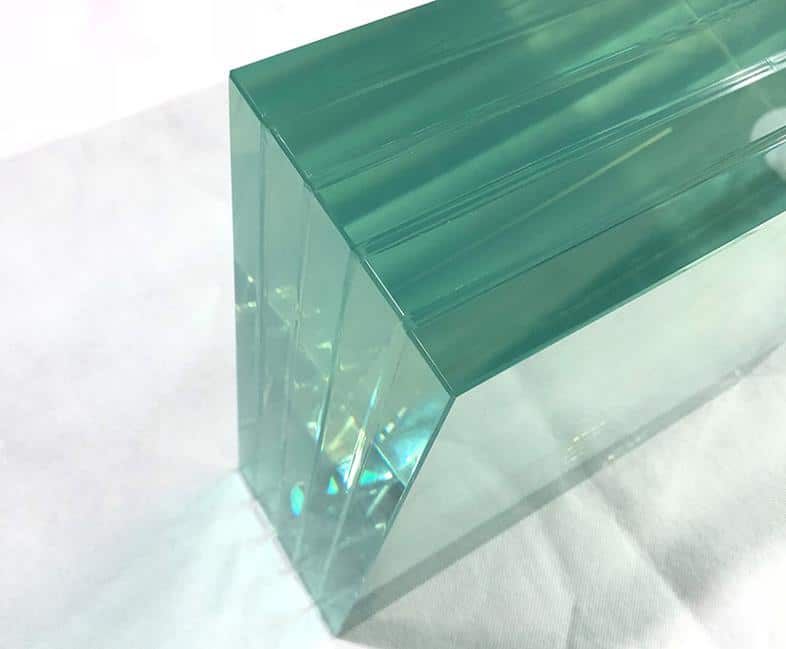
Armored Triplex glazing is Triplex glazing resulting from the joining of 3 or more panes. As with all triplex glazing, the joined panes can have various thicknesses (3+3+3 or 4+4+4 or 8+8+8, etc.). Armored Triplex glazing is preferred in cases where there is an increased safety requirement. The joining of multiple panes with many safety films makes some of these panes bulletproof and impenetrable even to weapons (Kalashnikov, etc.).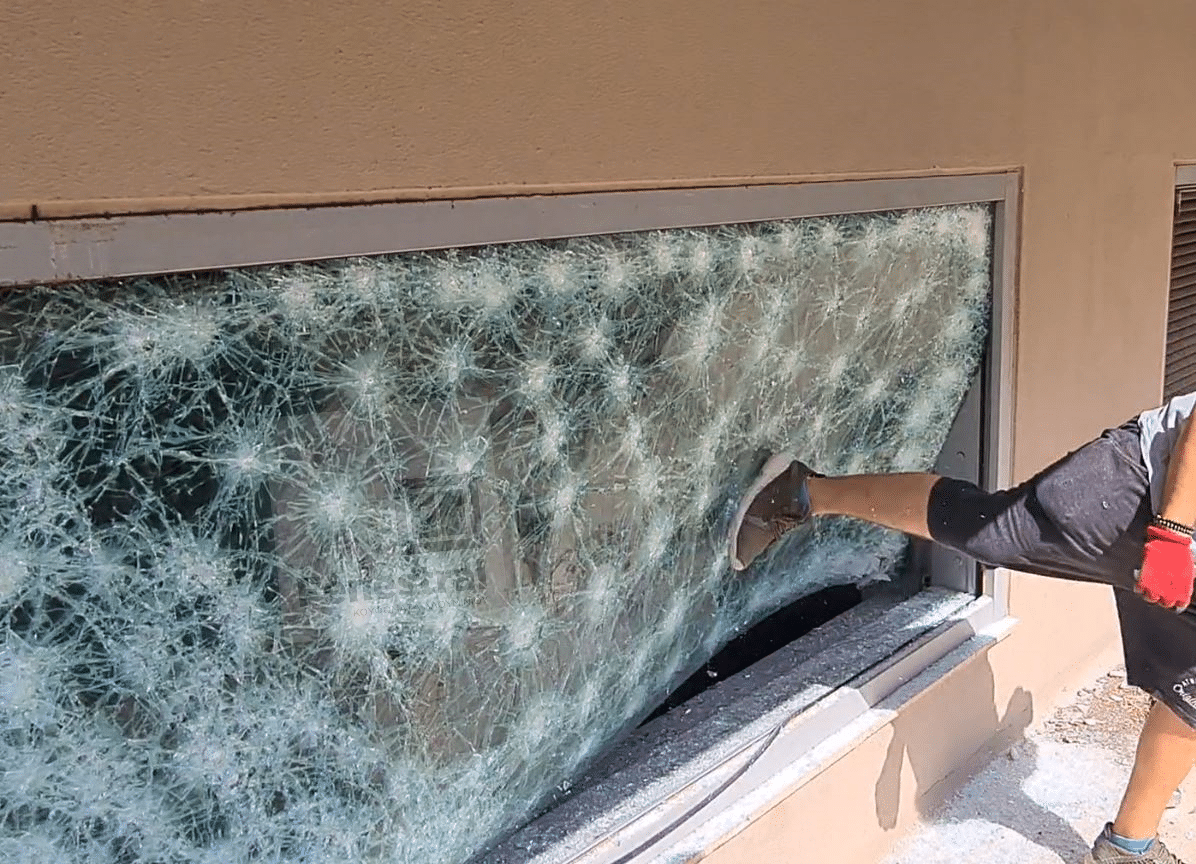
The frames used for installing armored triplex glazing have specific technical specifications (special mechanisms, hinges, etc.) because their weight is very high. The types of armored glazing, as well as their prices, vary depending on the level of security desired by the customer (type of weapons, etc.). See frame security levels or alternatively see aluminum frames – large frames for bulletproof glazing.
Securit – Securit Glazing – Tempered
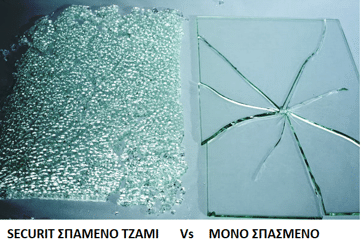
Securit – Securit Glazing – Tempered are single panes that have undergone thermal treatment (baked at high temperatures), consequently increasing their mechanical properties in terms of impact. They are five (5) times harder – stronger than a plain pane of the same thickness – cross-section. Securit glazing, in case of breakage, shatters into very small pieces the size of a grain of rice, making them completely harmless. These properties have made them very popular for frames in shop windows.
Fire-Resistant Glazing
Fire-resistant glazing is usually Triplex glazing in a ”sandwich” form, with special films that expand – swell in case of fire, for protection against fires. Fire-resistant glazing is divided into categories, depending on the time they can protect against fire (30 minutes, 60 minutes, 90 minutes, and 120 minutes). Fire-resistant glazing is subject to strict controls and specifications and is always combined with aluminum frame constructions (doors, windows) of special fire-resistant specifications (Types and Categories of Glazing – Glass).
Sandblasted Glazing
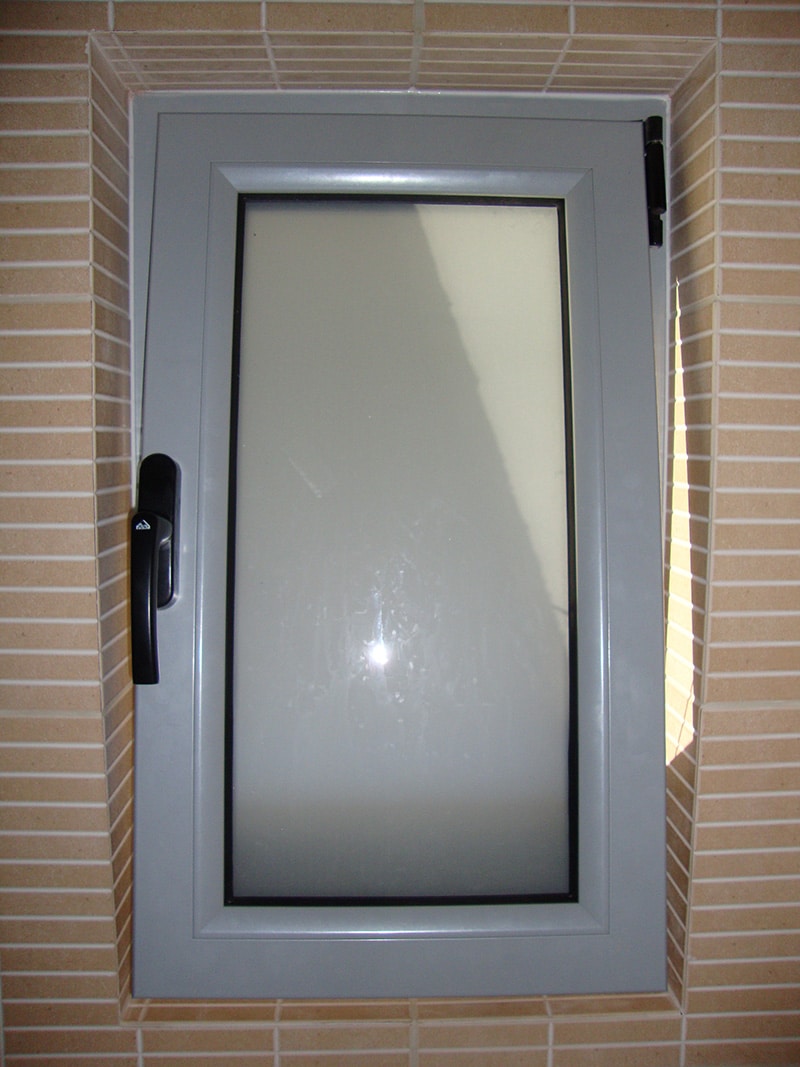
Sandblasted glazing are opaque glass panes usually installed in areas where we want sunlight to enter, but without being seen (bathrooms, offices, hospitals). They can be manufactured as double, energy-efficient, or triplex glazing. There are dozens of designs and colors. Sandblasted glazing is made from glass 5 mm thick and above.
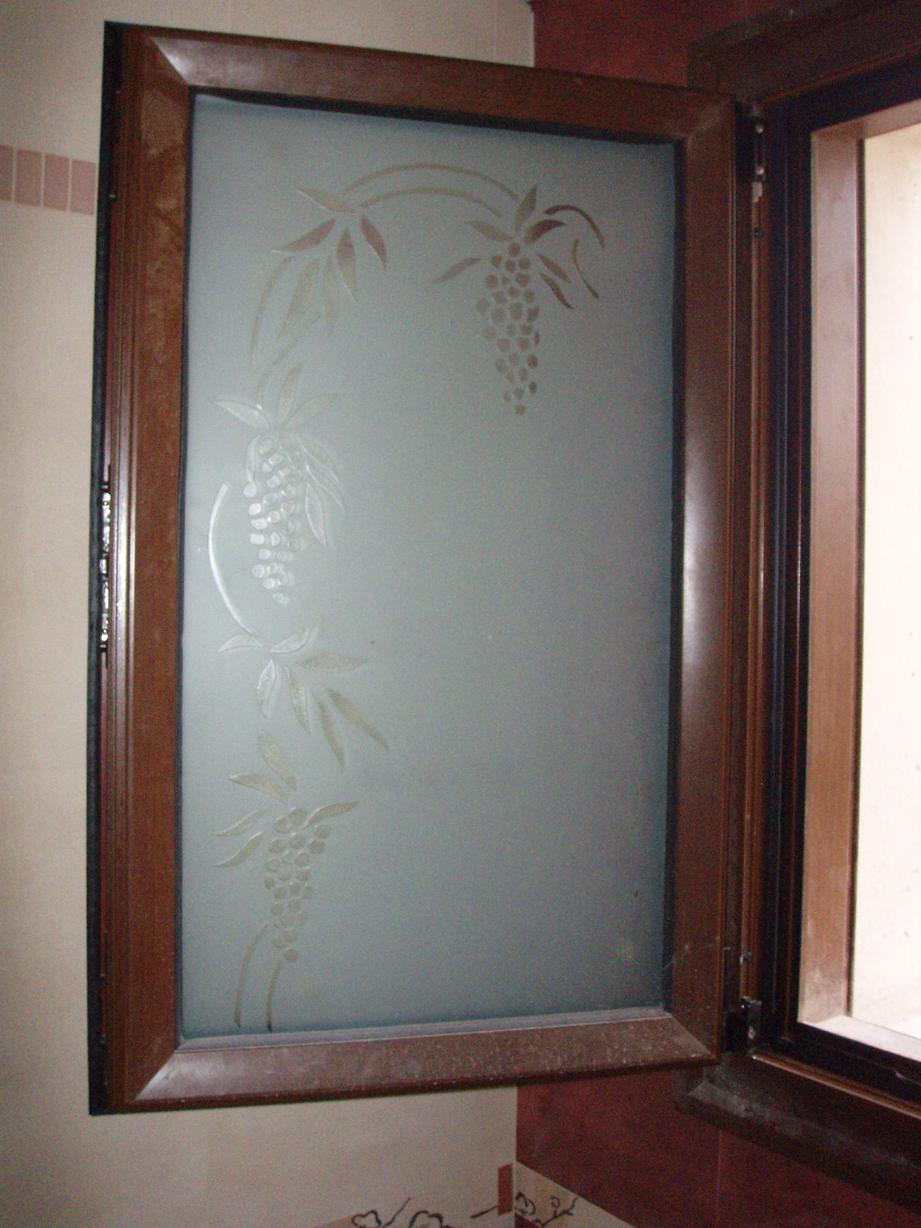
It is possible for a plain transparent pane to be partially sandblasted (half sandblasted – half transparent) depending on the design desired by the customer (sandblasted designs, addresses and names, lines, etc.). There are also films on the market that convert plain transparent panes into sandblasted – opaque ones, but their use is limited because the films are easily scratched and damaged.
Delta Matt Glazing
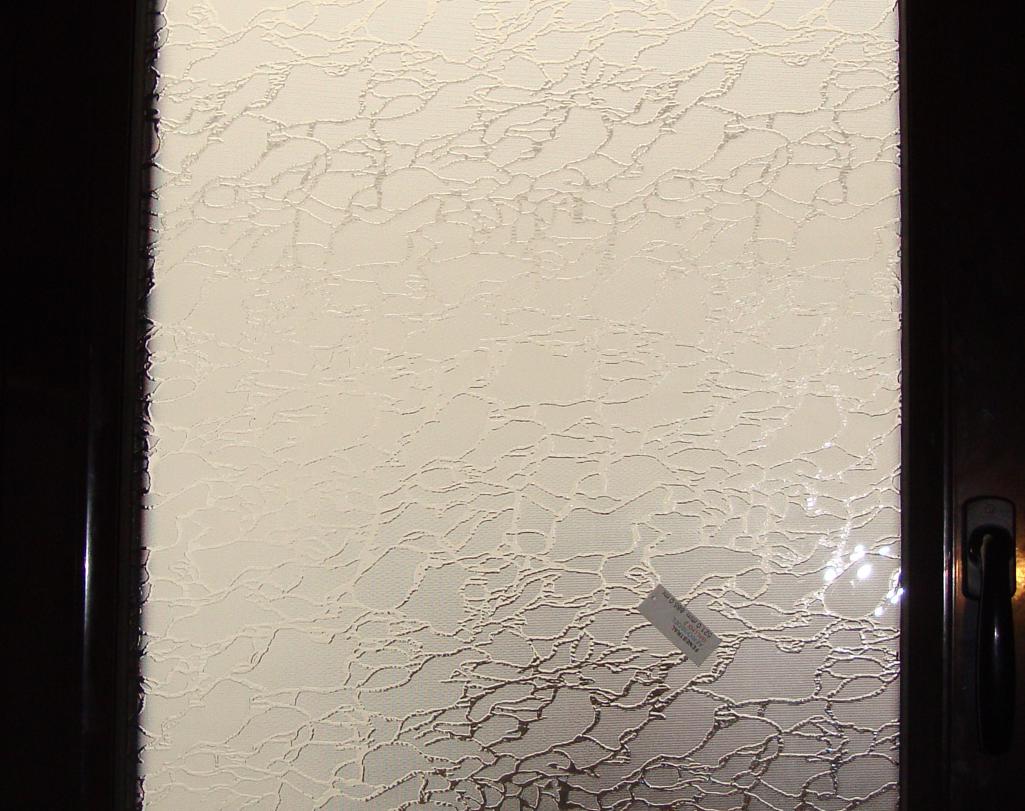
Delta matt glazing are also opaque panes, 5 mm thick and above, and can be manufactured as double, energy-efficient, or triplex glazing. The delta matt design gives the impression of water pouring over the glass pane. Due to their opacity, they are preferred for bathroom window installations.
Glazing Cavity – Gap
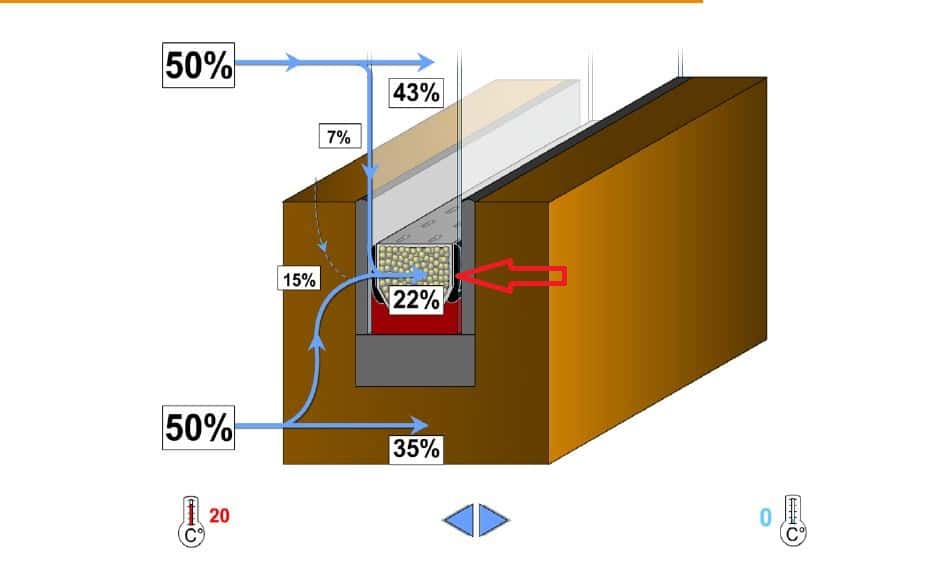
The glazing cavity – gap is a very important part of all double and triple glazing (plain or energy-efficient), because it plays a crucial role in the performance of the glazing, in terms of thermal and sound insulation, as well as the lifespan of a glass pane (moisture between the panes – humidity – spots, etc.). There are four factors that affect the performance of glazing in relation to the cavity – gap: the thickness of the cavity (spacer cross-section), the material used for the spacer – bar (aluminum, polyamide), the type of gas filling the cavity – gap, and the type – method of bonding used to connect the panes (simple, cold, hot, etc.).
Cavity – Glazing Gap Thickness
The thickness of the cavity – gap between 2 or more panes, i.e., the distance between the panes, plays a primary role in the thermal and sound insulation of the glass panes. The ideal gap for the thermal insulation of a pane (plain or energy-efficient) is 16 mm, which achieves its maximum performance. As the gap decreases or increases from 16 mm, its performance decreases. For sound insulation, the ideal gap is considered to be 20 mm.
Glazing Spacers – Bars
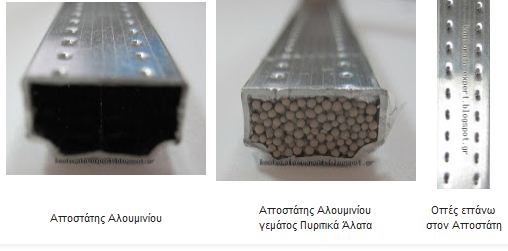
Glazing spacers – bars are the material – connector used to create a distance between two or more panes (plain or energy-efficient). There are several materials used for glazing spacers – bars, with aluminum bars and thermal insulating bars – polyamide spacers being the most common. Polyamide spacers – bars offer greater thermal insulation because they affect the Ψg index (linear thermal transmittance coefficient) of the glass pane. Finally, spacers should be filled with silica gel to absorb moisture that forms between double or triple glazing. For more details and coefficients, see the types of thermal insulating spacers in our article energy-efficient glazing.
From these spacers – bars, 22% of the total energy is transferred from inside to outside and vice versa. To understand the importance of spacers (bars) in energy-efficient glazing, let’s look at the thermal insulation coefficient (thermal transmittance coefficient) we have in two identical frames, with spacers – bars made of aluminum and with spacers – bars made of polyamide, in energy-efficient double glazing.
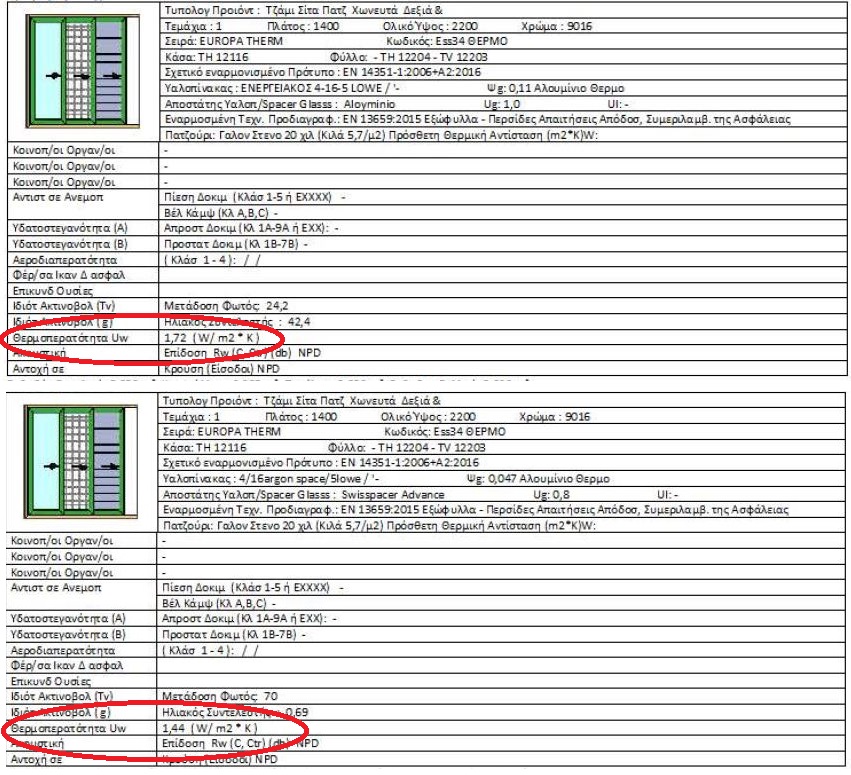
In the 1st sliding frame, we have double energy-efficient glazing spacers – bars made of aluminum. The total thermal transmittance coefficient of the 1st frame is Uw = 1.72 W/m2K. In the 2nd sliding frame, we have double energy-efficient glazing spacers – bars made of polyamide. The total thermal transmittance coefficient of the 2nd frame is Uw = 1.44 W/m2K. From the above, it follows that in these specific frames with polyamide spacers, we have approximately 25% better thermal insulation. See more about Ψg – polyamide spacers.
Type of Gas Between Panes
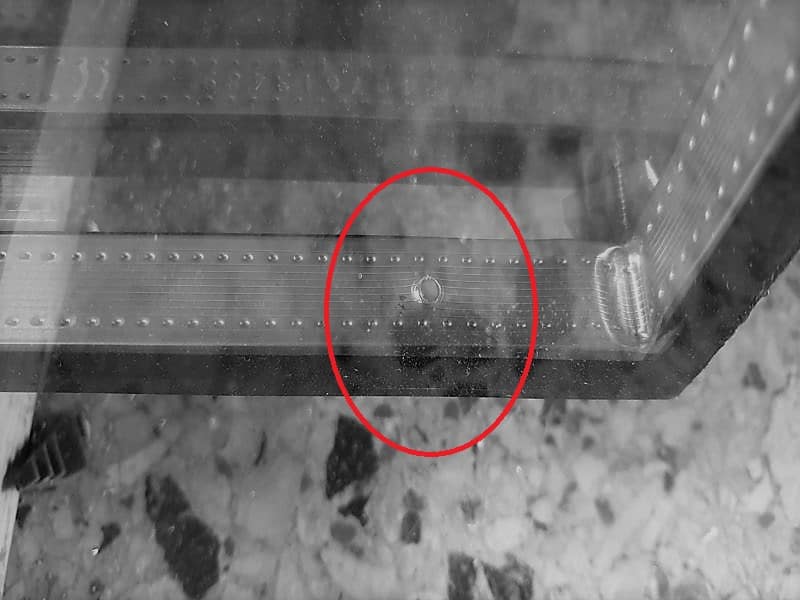
The type of gas used to fill the cavity – gap between double or triple glazing also plays a significant role in the thermal and sound insulation of the pane. The most common gases that fill double or triple glazing are dry air, Argon gas, Xenon gas, and Krypton gas. The latter two have the best performance, due to their composition and specific gravity, but are rarely preferred due to cost. Argon gas offers better thermal insulation than dry air (approximately 0.3 W/m2K) and is often preferred due to its low cost. Many myths circulate around the gases that fill glass panes (evaporation, fogging). For more, read our article on energy-efficient glazing.
Type – Method of Glazing Bonding
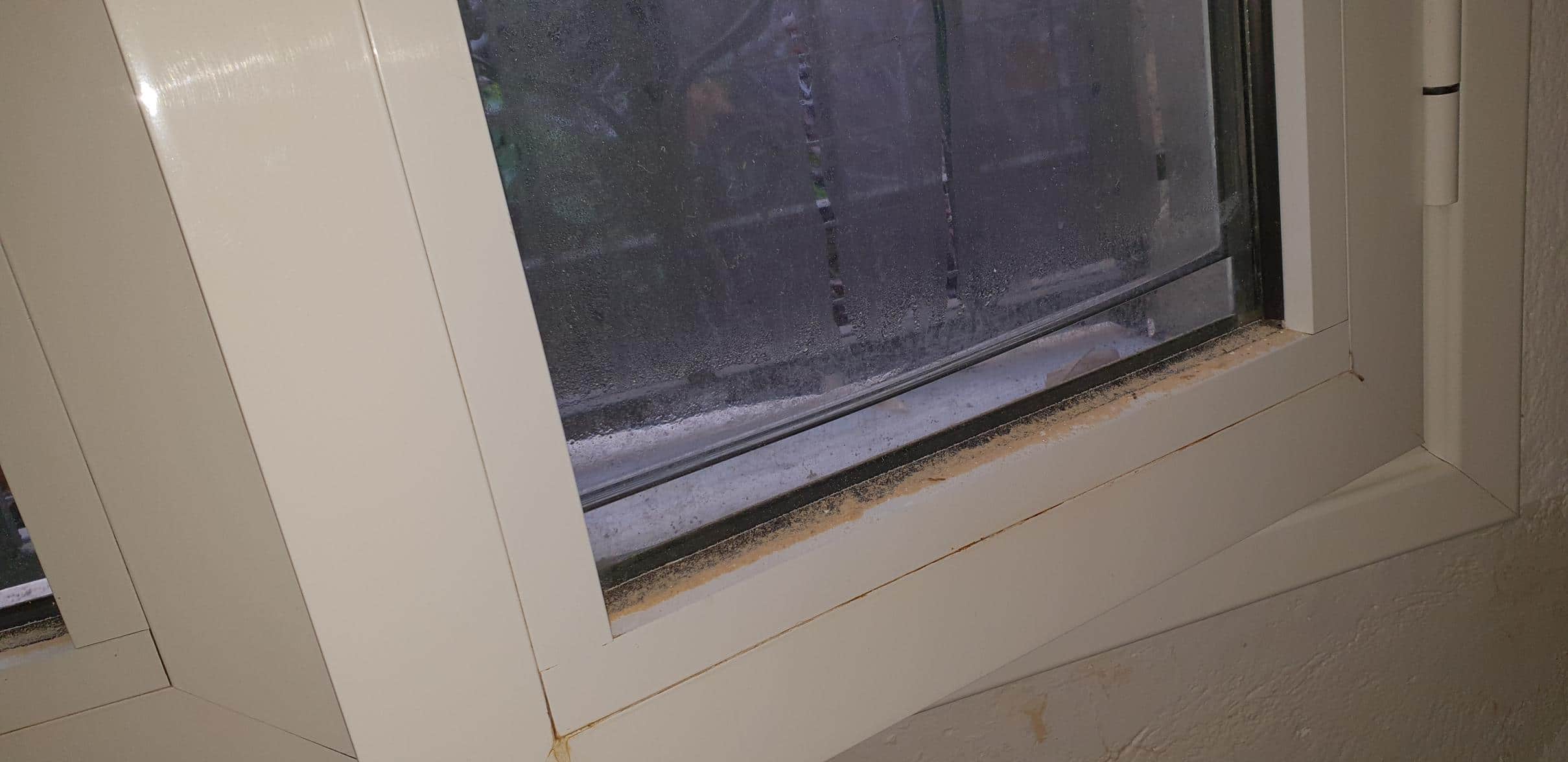 The type and method of glazing bonding, in cases of double or triple glazing with a gap, does not affect the thermal or sound insulation provided by the pane as much as its durability over time (see moisture – condensation between the panes) and the quality of their construction (delamination of double glazing). Double or triple glazing has a gap between them, which is created by the spacer – bar (aluminum or polyamide). To make the panes a single body (2 or 3 panes together with the spacers), they are bonded around the perimeter with certain sealing adhesives. There are various adhesives that seal and bond the panes, but the highest quality adhesives are double sealing adhesives because during the summer months one tightens and the other softens, while during the winter months the opposite happens.
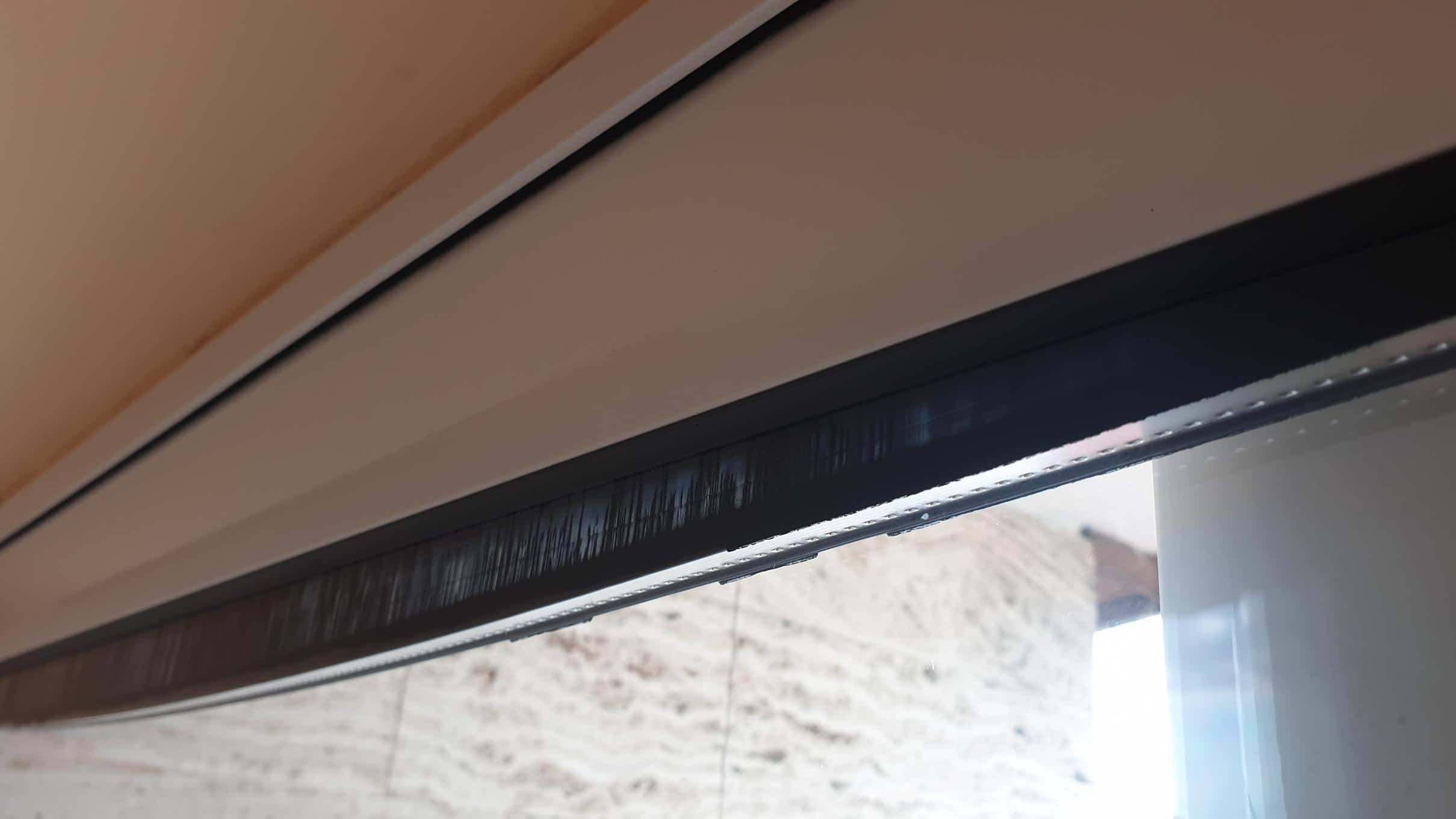
Double sealing or two-component adhesives are the safest because they behave ideally in all temperatures (cold – heat). The adhesives and the sealing method significantly affect the price of a pane.
Glazing Warranty
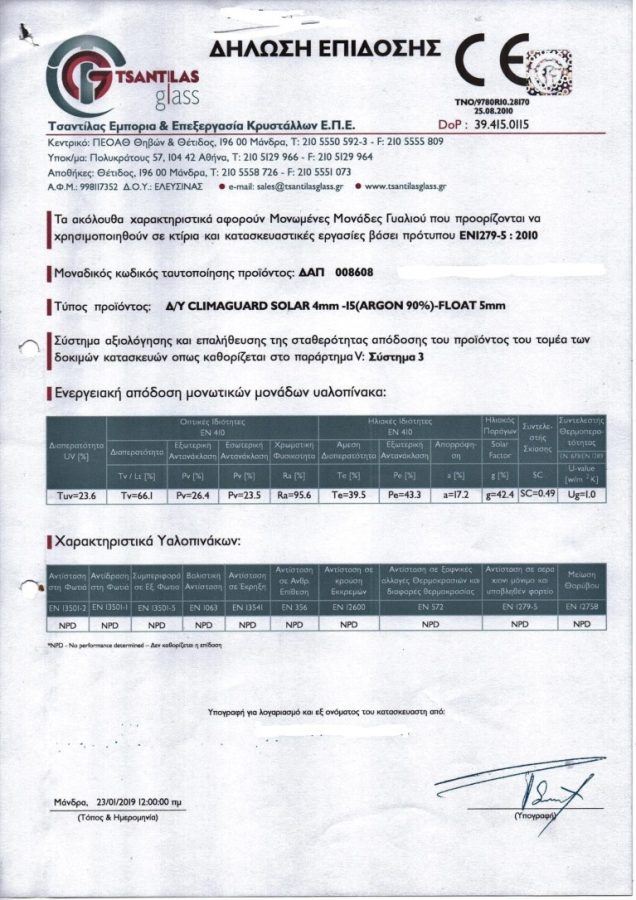
Every manufacturer of glazing – glass panes or manufacturer of frames is obliged by law to provide performance certificates for the glazing they sell and to provide a warranty for their products (all Types and Categories of Glazing – Glass). Request these two documents before final payment for the products.
The choice of glazing – glass panes is a crucial decision for the performance of frames (doors, windows), especially with the thousands of panes flooding the market. See all what to look out for, as well as prices, types, and kinds of energy-efficient glazing.