






Energy-efficient Glazing – Energy-efficient Glass: What it is, Types, and Prices
What is Energy-Efficient Glazing – Energy-Efficient Glass
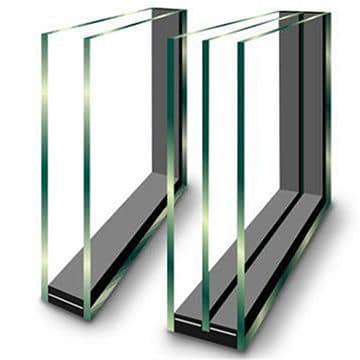
By the term energy-efficient glazing (energy-efficient glass), we mean those glazing units (double or triple) in which a special film has been applied (a layer of opaque metallic silver oxides) through special processing to increase their thermal insulation and achieve energy savings. Essentially, when you receive double or triple energy-efficient glazing units, opaque metallic oxides – films are placed on the inside of one of them, in the area that cannot be touched (the gap between the two panes), which have the property of absorbing and emitting energy (cold, heat) outwards. Watch the video below to see exactly how energy-efficient glass is manufactured (how the coatings – films are applied).
Types of Energy-Efficient Glass (2-Season and 4-Season Energy-Efficient Glazing)
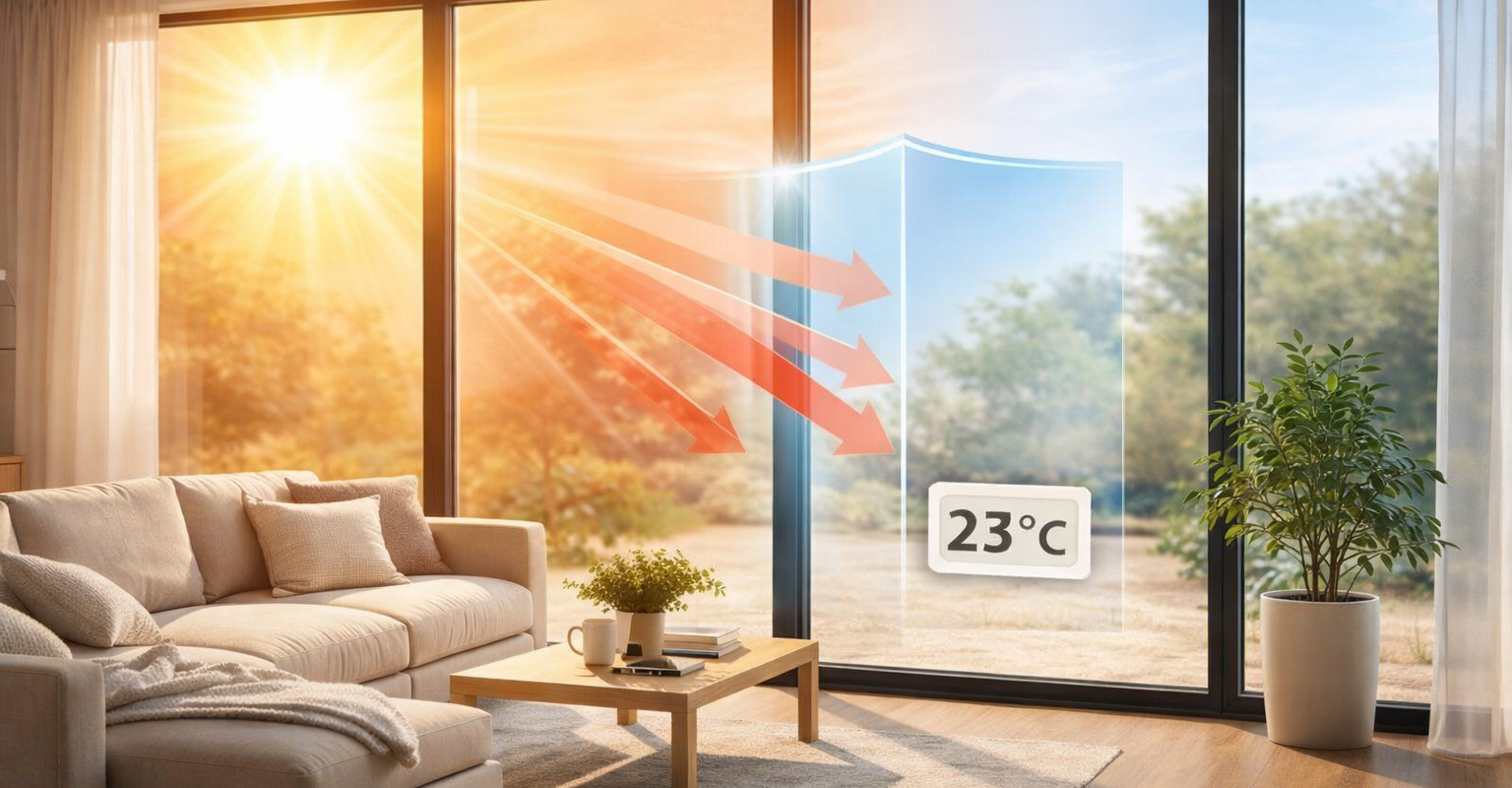
There are many types of energy-efficient glass, but the main categories are those widely known as 2-season and 4-season energy-efficient glass. The main difference between 2-season and 4-season energy-efficient glazing is their behavior during the summer – warm months. 2-season energy-efficient glazing allows the sun’s heat (solar energy) to pass into our home, consequently heating objects and creating greenhouse conditions. This is ideal in very cold countries but unprofitable in countries like Greece with intense sunshine. 4-season glazing units feature special films – coatings that allow sunlight to pass into our home, but prevent the sun’s heat, resulting in energy savings by not using air conditioners.
How to choose energy-efficient glass
The selection of energy-efficient glazing (two-season or four-season) should be made with great care and always with the help of aluminum frame manufacturers. 2-season energy-efficient glass is used in areas with cold climates, while 4-season energy-efficient glass is used in warmer climates. Other parameters to consider are orientation, opening dimensions, use, shading requirements, and user preferences.
For cold climates, we need energy-efficient glazing with low Ug, high Lt, and high g (see what the coefficients mean in the technical specifications below)
For warm climates, we need energy-efficient glazing with low Ug, medium Lt, and low g (see what the coefficients mean in the technical specifications below)
see which energy-efficient glazing units Fenestral uses for optimal results
What performance gains do we achieve by installing energy-efficient glazing and what is the difference between double and triple energy-efficient glass?
The installation of energy-efficient glazing in our home is a fundamental issue regarding energy savings. Energy-efficient glass revolutionized the field of window and balcony door construction. An energy-efficient double glazing unit has three times the efficiency of a similar simple double glazing unit and six times that of a single pane. To realize the difference, see the thermal insulation coefficient of each pane (the smaller the better).
- Single pane: thermal insulation coefficient 5.7 w/m2K (Thermal transmittance – Uglass)
- Simple double pane: thermal insulation coefficient 3 w/m2K
- Energy-efficient double pane: thermal insulation coefficient 1 w/m2K
- Energy-efficient triple pane: thermal insulation coefficient 0.6 w/m2K
Let’s look at an example to see what we save in money by installing energy-efficient glazing in our home. Let’s assume we have a 140 m² house ²K² with 30 ²K² glazing area.
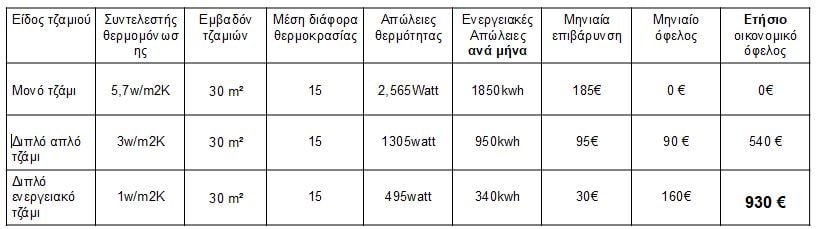
The annual financial benefit resulting from the above apartment after installing energy-efficient glazing is approximately €930 per year.
How much do simple energy-efficient glazing units cost (prices of energy-efficient glazing) compared to double and triple energy-efficient glazing units, and how beneficial is the installation of triple energy-efficient glazing units?
How much do simple energy-efficient glazing units cost (prices of energy-efficient glazing) compared to double and triple energy-efficient glazing units, and how beneficial is the installation of triple energy-efficient glazing units?
One of the reasons energy-efficient glazing revolutionized the aluminum frame industry is their prices. The reason is that the prices of energy-efficient glass are now very affordable, especially considering the enormous benefits they offer (€930 annual savings in the example above). Below are indicative prices for simple double glazing, prices for double energy-efficient glazing, and prices for triple energy-efficient glazing. It should be noted that these prices are indicative because there are dozens of types of energy-efficient glazing with different properties and qualities.
- Prices for simple double glazing: €22/m², thermal insulation coefficient 3w/m2K
- Prices for double energy-efficient glazing: €33/m², thermal insulation coefficient 1w/m2K
- Prices for triple energy-efficient glazing: €60/m², thermal insulation coefficient 0.6w/m2K
As we can see from the above prices for energy-efficient glass, if we have a house with a total glass surface of 20m², we will pay €440 to install simple double glazing, €660 if we install double energy-efficient glazing, and €1200 if we install triple energy-efficient glazing.
In the case of comparing simple double glazing with double energy-efficient glazing, we see that the difference of €220 (€440 versus €660 respectively) that we will pay for the energy-efficient glass will be saved within the first six months of their use (see example above).
Prices and benefits of triple energy-efficient glazing
Many people wonder if we benefit from using triple energy-efficient glazing, always in relation to the prices mentioned above and the benefits. A double energy-efficient glazing unit costs approximately €33/m2 and has a thermal insulation coefficient (Ug thermal transmittance) of 1w/m2K, while the corresponding triple energy-efficient glazing unit costs €60/m2 and has a thermal insulation coefficient of 0.6w/m2K. We see that triple energy-efficient glazing units are almost double the price, while the gain in thermal insulation is not as significant. In cases where specific thermal insulation coefficients are required, such as the ‘Energy Saving at Home 2’ program which offers better subsidies for frames below 2w/m2K or the new KENAK (Building Energy Performance Regulation), the use of triple energy-efficient glazing is advantageous if these coefficients cannot be achieved with double energy-efficient glazing. In other cases, and provided these prices for triple energy-efficient glazing remain (2020), installing double energy-efficient glazing is the best choice (quality-price ratio).
How much do we really save with energy-efficient glass?
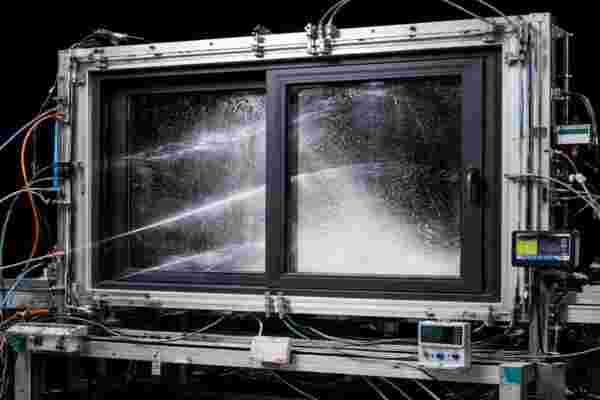
We have constructed two frames measuring 70 cm x 56 cm, which we have placed in an airtight chamber.
At the back of the chamber, a 175-watt infrared heating lamp has been placed, which emits 400 °C Celsius, while a thermometer has been placed at the front of the frames.
The left frame is constructed with simple Europa aluminum profiles (Prima 850 series) and has simple double glazing units with a cross-section of 4mm / 16mm air / 5mm.
The right frame is constructed with Europa energy-efficient thermal break aluminum profiles ( EOS – 60 Hybrid series) and has 3rd generation double energy-efficient glazing units with Argon gas, cross-section 4mm / 16mm argon / 5mm Low – E glass.
The frames are exposed to high temperatures for 10 minutes. Watch the video to see the result for the best energy-efficient aluminum frames.
Technical characteristics and coefficients – specifications of energy-efficient glazing and how to distinguish them
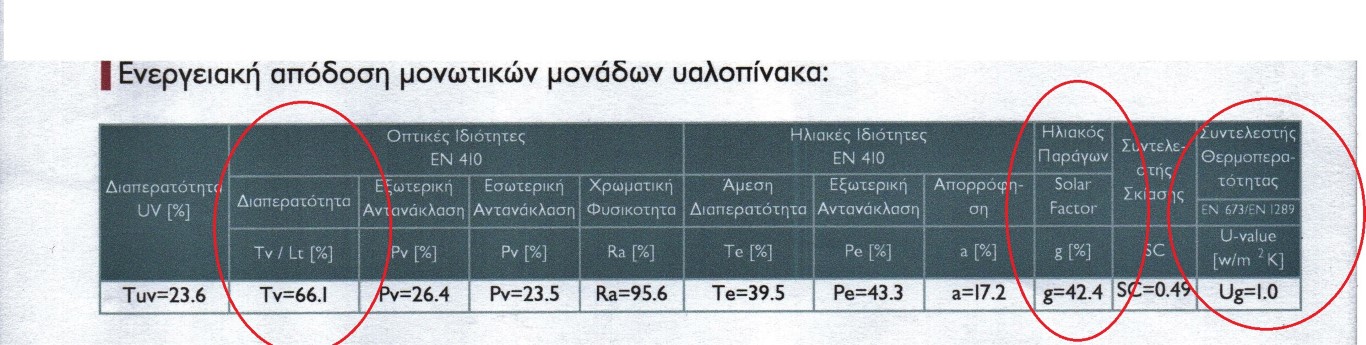
Each glazing unit has certain technical characteristics (you can see a sample of technical characteristics below in the certificates) that show its properties and performance. These can be found either in the aluminum frame offers (see what should be stated in the aluminum frame offers) provided by frame manufacturers, or we can ask the manufacturer to provide them (every manufacturer is obliged to provide such information). These specific technical characteristics are crucial, as they indicate the performance of the energy-efficient glass we will install in our home’s aluminum frames. The technical characteristics reflect performance in terms of thermal insulation, glass clarity, how dark or bright it is, the energy that passes through it, the percentage of UV (ultraviolet radiation that damages objects) that passes through it, etc. Let’s look at the most important technical characteristics of a glass pane.
Thermal insulation coefficient – Thermal transmittance coefficient (Ug = Uglass)
The coefficient that indicates the thermal insulation of a glazing unit is the thermal transmittance coefficient, expressed as Ug. The Ug of a glass pane shows the amount of energy passing through the glazing unit per unit of time, per unit of area, per unit of temperature difference. The coefficient values are given in w/m2K. The smaller this number, the better.
Lightness Coefficient – Light Transmission Coefficient (LT)
The Lightness Coefficient – Light Transmission Coefficient is expressed as Lt. Lt is the coefficient that expresses the percentage of light passing through the glazing unit and is expressed as a percentage (%). The higher this percentage, the more light passes through (a percentage of 60% – 80% is ideal).
Solar energy transmission coefficient – Solar factor (solarfactor = g)
The solar coefficient – Solar Factor is expressed as g. The g shows the percentage of the total solar energy that passes through the glazing unit into the interior space, relative to the total solar radiation falling on it, and is expressed as a percentage (%). The smaller this percentage, the better, especially considering the climatic conditions in Greece and its hot summers. A percentage close to 40% (0.40) is ideal.
Sound insulation coefficient RW
The sound insulation coefficient RW expresses the ability of a frame to reduce the acoustic energy passing through it and is measured in decibels – dB
UV radiation transmittance
The UV coefficient expresses the percentage of harmful UV radiation that passes through the glazing unit. The coefficient depends on the type of glass and the type of film used. This property must be taken seriously, as it protects against fading of clothes, damage to objects and furniture, and, most importantly, protects human skin from burns and irritations.
Rn or LR of Energy-Efficient Glazing – Glass (Light Reflection)
The Rn or LR of Energy-Efficient Glazing – Glass (Light Reflection) defines the ratio of the luminous flux reflected by the glass to the incident luminous flux, expressed by the CIE D65 illuminant.
Ra chromatic distortion of energy-efficient glazing – glass
The Ra coefficient – chromatic distortion of energy-efficient glazing – glass defines the percentage (%) of chromatic distortion of the glazing unit – glass. To avoid distortion, we want the Ra value to be 80% < Ra< 90%. If it is less than 80%, we have distortion, while if it is 90% or more, then the energy-efficient glazing – glass is considered “high quality.”
Energy-efficient glass certificates
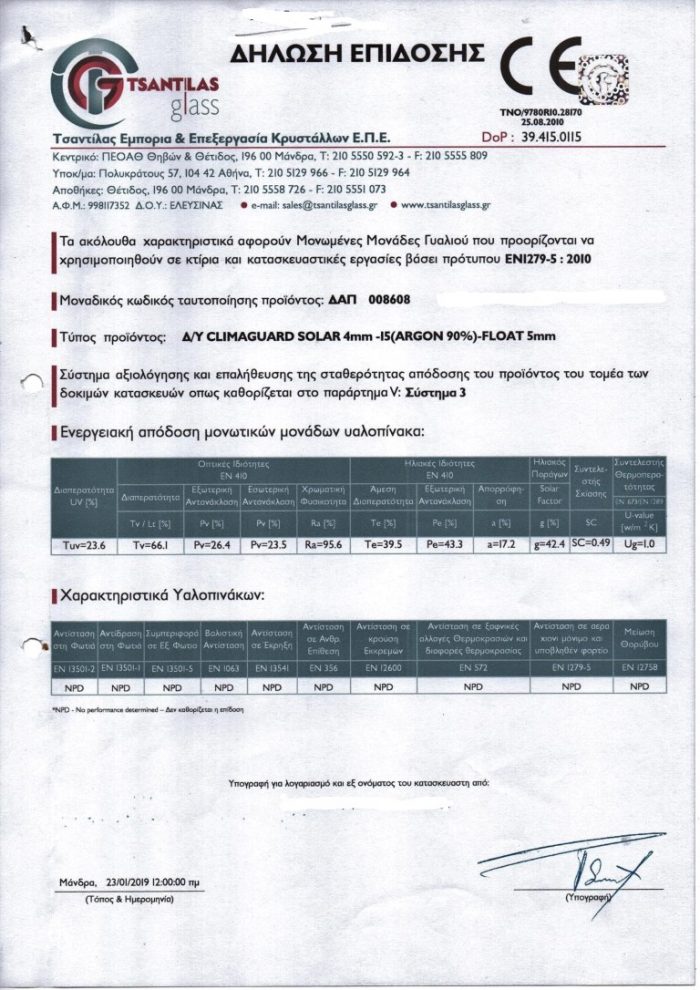
Every aluminum frame manufacturer is legally obliged to provide the buyer with all certificates for the energy-efficient glass installed in the aluminum frames (windows and balcony doors). The energy-efficient glass certificates state the performance of the energy-efficient glazing and their type, which is why it is advisable to request them before purchasing the frames and during the aluminum frame offers. Also, the invoice number and the type of energy-efficient glazing delivered must be stated. Providing false documents is a criminal offense. See a sample energy-efficient glazing certificate in the photo.
Argon gas between energy-efficient glazing units. Properties, myths, and truths
Argon gas is a non-toxic, colorless, and odorless gas. It is placed between energy-efficient glazing units (double or triple) and replaces common air. Due to its density and weight, it offers 68% less conductivity compared to air. This enhances the insulating properties between the energy-efficient glass panes and increases their thermal insulation. Its use is essential in many developed countries. For example, if an energy-efficient glazing unit filled with air has a thermal insulation coefficient (Ug) of 1.4 w/m2K, the same glazing unit, if filled with Argon gas, will have a thermal insulation coefficient of 1 w/m2K (the smaller the more efficient).
A major myth regarding Argon gas is that it dissipates over the years. Double energy-efficient glazing units, when joined together, are hermetically sealed with adhesives (if this is not done, condensation forms between the panes). The adhesives used must be two-component (hot and cold bonding) to withstand all temperature changes (cold – heat). If this is done, Argon gas remains between the glazing units for 28 years (published studies) at a rate of 86%.
Energy-efficient glass with Argon gas is delivered with special valves, making it possible to refill them even after 30 years. This is also a way to determine if the energy-efficient glazing units you received have been filled with Argon gas. The certificates you receive from the aluminum frame manufacturer are another way to ensure the presence of Argon gas in your energy-efficient glazing units.
The cost – prices of argon gas range from €6 to €10 per square meter.
Other gases with which we can fill our energy-efficient glazing units are Krypton gas and Xenon gas.
How to tell if you received energy-efficient glazing
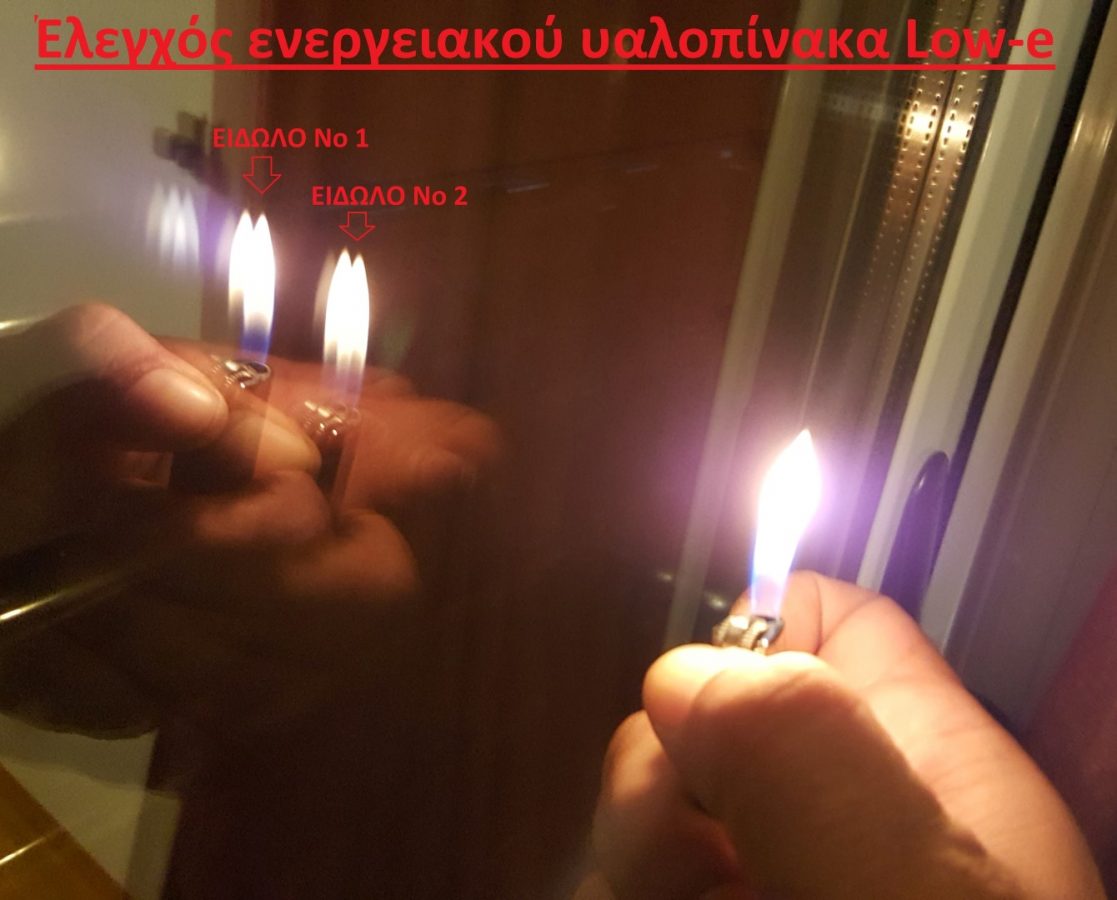
Many buyers wonder if they actually received energy-efficient glass and how they can tell if it is indeed energy-efficient. There are four ways to determine if you received energy-efficient glazing.
- There are devices on the market that detect the presence or absence of coatings on energy-efficient glass. Many glass manufacturers own them.
- If you cannot find a device, there is the lighter method. Follow the link below to see if you have energy-efficient glass
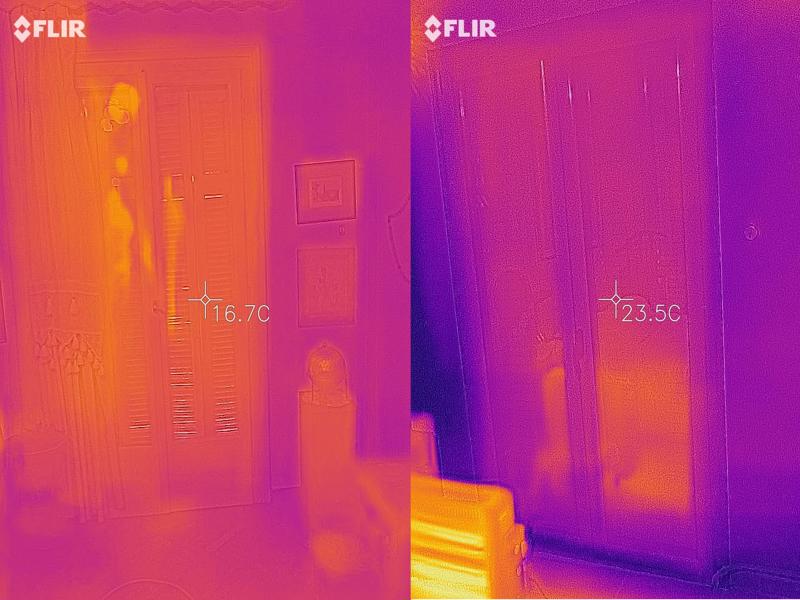
- Another empirical way to check if you have energy-efficient glass is this: on a sunny and warm day, extend your hand in front of a window or balcony door, so that half of your hand is covered by the glass you are examining and the other half is completely exposed to the sun. Leave your hand for 1-2 minutes. If the temperature difference between the exposed part of your hand and the covered part is significant, or if you feel a slight burning sensation on the part exposed to the sun that is not present on the other part of your hand, then you have likely received energy-efficient glazing.
- The last way to check if you have received energy-efficient glazing is the certificate that must be provided upon delivery of the aluminum frames. The energy-efficient glass certificates must state the invoice number, the performance of the glazing units, and the type of energy-efficient glazing delivered. This document is mandatory by law, and false declaration constitutes a criminal offense.
Thermal insulation strips – polyamide spacers for energy-efficient glass
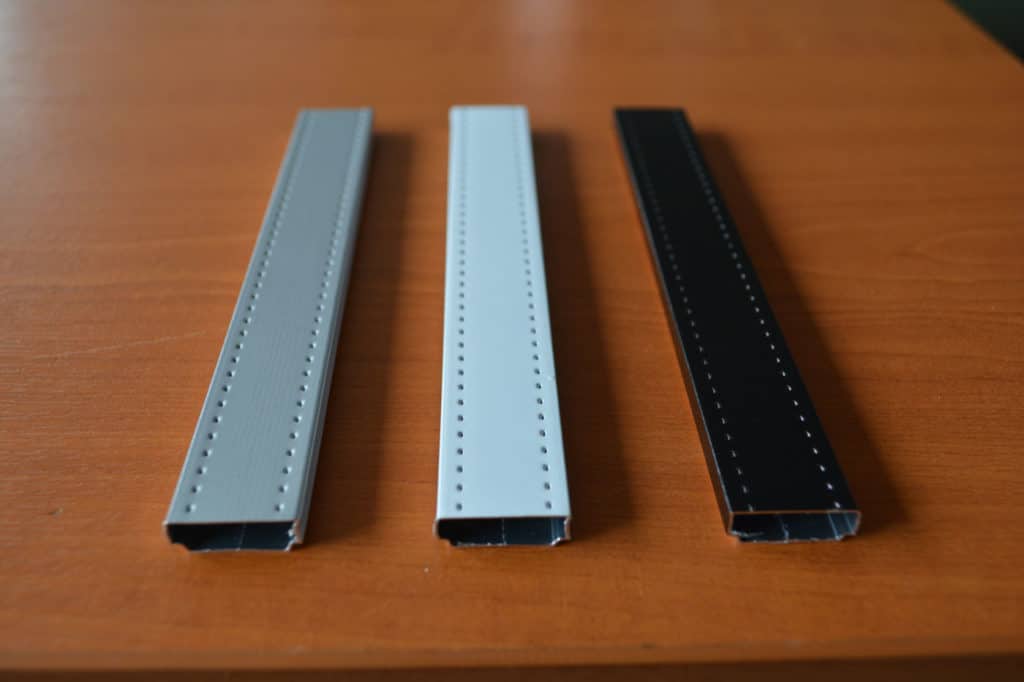
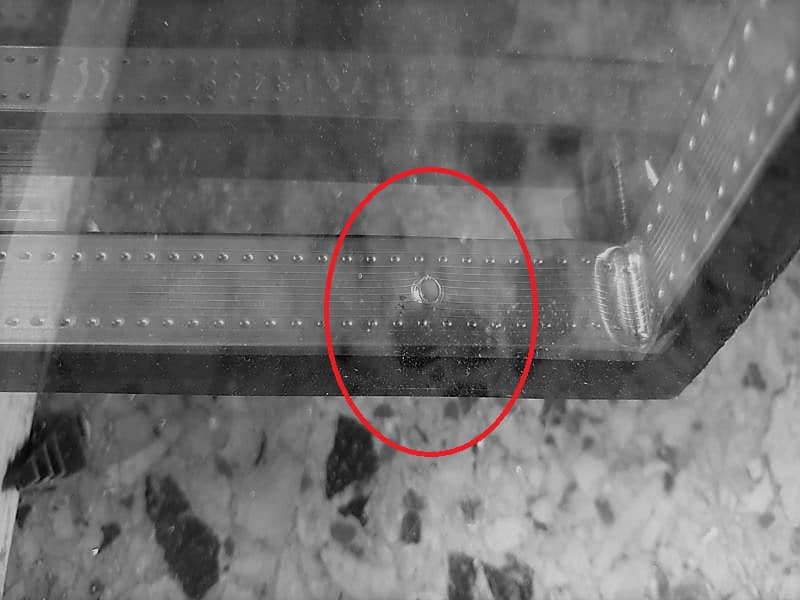
Another factor that can significantly improve the thermal insulation (thermal transmittance) of a glass pane and consequently the entire frame is polyamide strips – spacers (thermal insulation glazing spacer) for energy-efficient glass. When double or triple energy-efficient glazing units are manufactured, and to create a gap between them, certain spacers – strips are placed, as shown in the photo above. From these spacers, 22% of the total energy is transferred from the inside to the outside and vice versa. There are two dominant materials used for their construction.
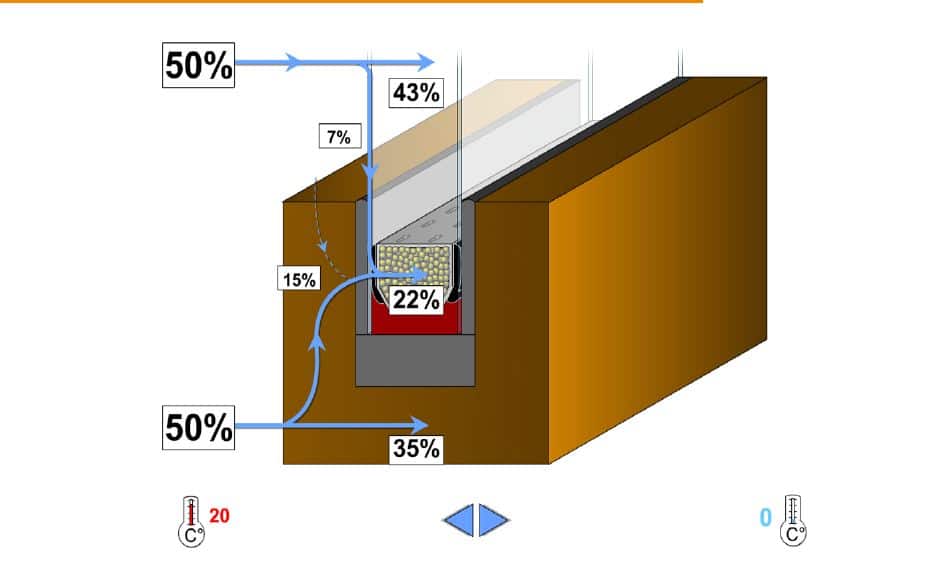
- Aluminum glass spacers which are widely used, as well as
- polyamide thermal insulation spacers. Aluminum glazing spacers have a thermal insulation coefficient (linear thermal transmittance coefficient – Ψg) of 0.082, while polyamide thermal insulation glazing spacers have a Ψg coefficient of 0.036. The resulting difference significantly affects the overall thermal insulation ( thermal transmittance – Uw) of a frame (doors-windows). Additionally, while aluminum strips are only available in one color (silver – inox), polyamide thermal insulation strips – glass spacers can be found in dozens of colors.
How energy-efficient glass is manufactured
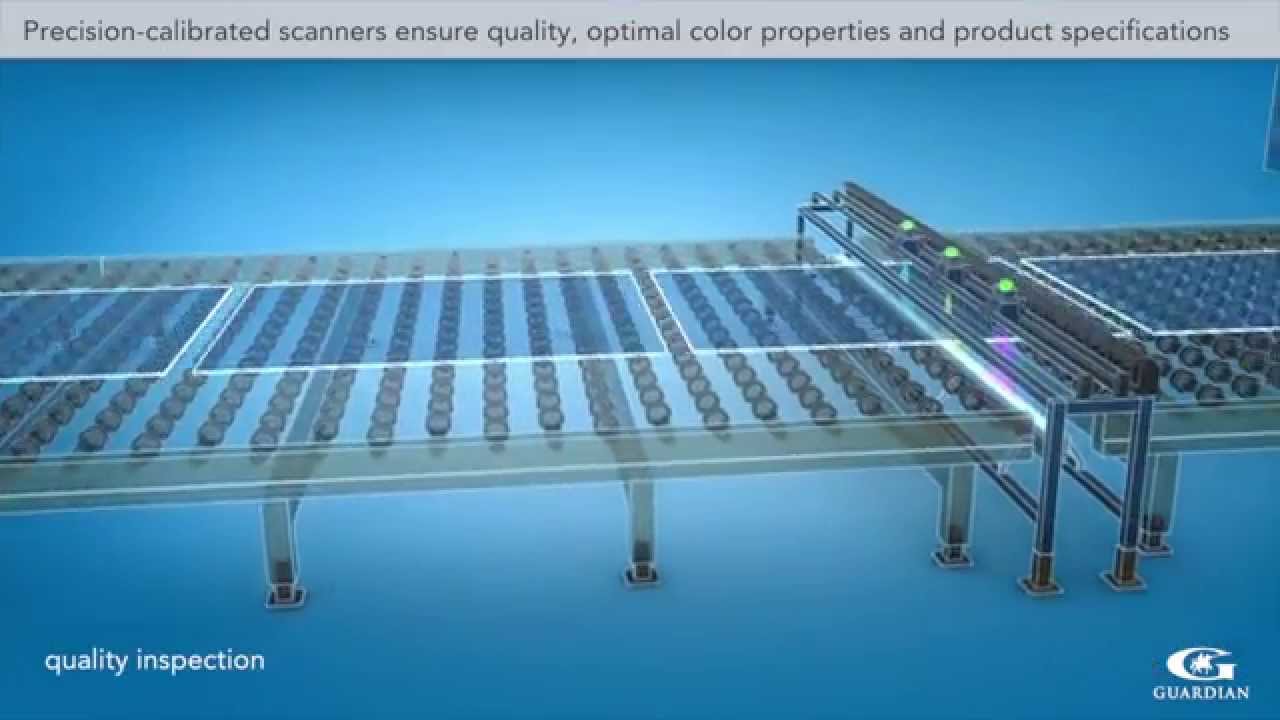
The process of manufacturing energy-efficient glazing units is a specialized task carried out by large glass production companies worldwide (Guardian, Saint Gobain, etc.). Follow the link below to watch a video on how coatings – films are applied to simple glazing units, transforming them into energy-efficient glazing units