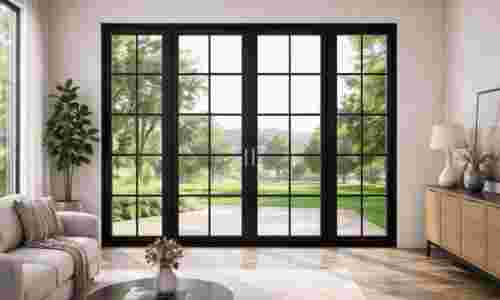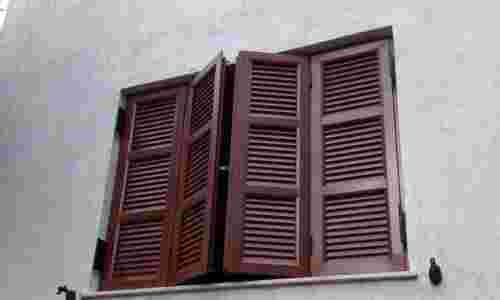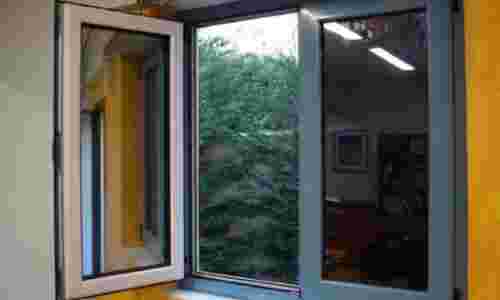



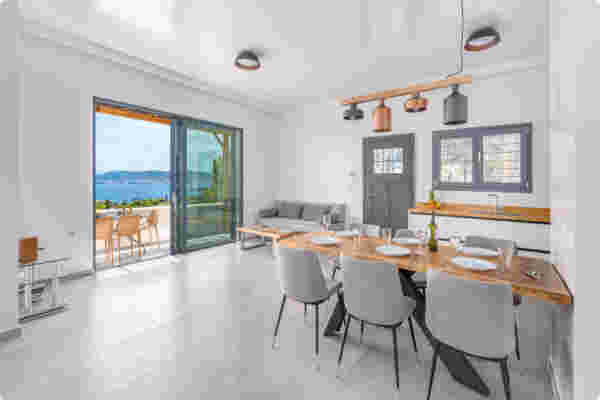





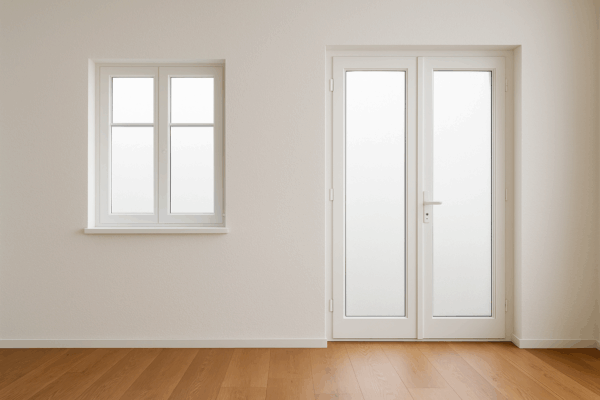



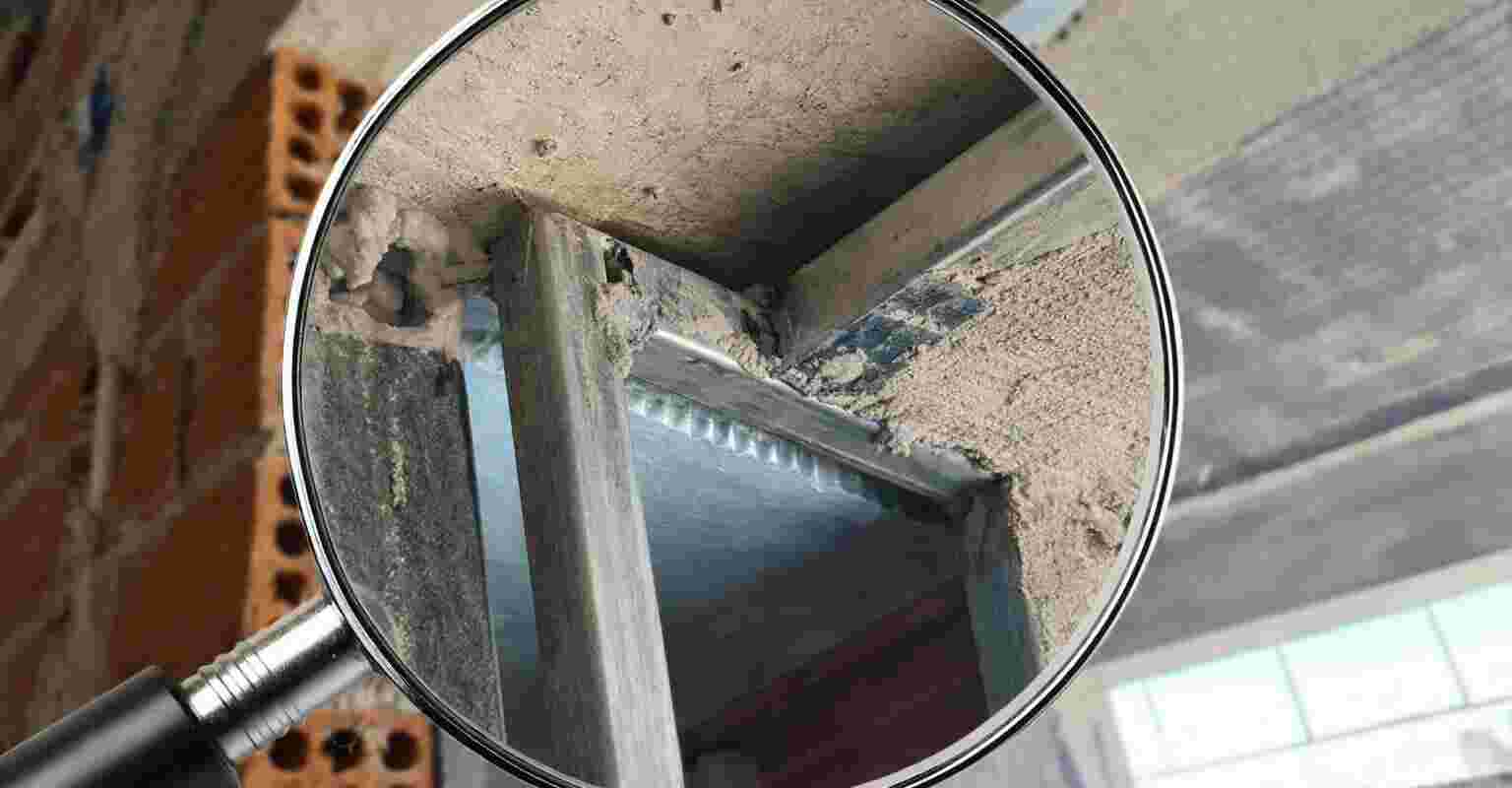
Metal subframes – false frames (pre-frames) are galvanized square metal frames (bent profiles) that are installed around the perimeter of the masonry in a U-shape at the point where the frame will be placed. They are available in various dimensions, depending on the type of frame to be installed above. The price – cost of the false frame depends on the cross-section (20×20, 40×20, 40×40, etc.), the thickness (standard or reinforced), as well as the type of project where it will be installed (area, pieces, installation difficulty, etc.).
False frame in flush-mounted frames (photo)
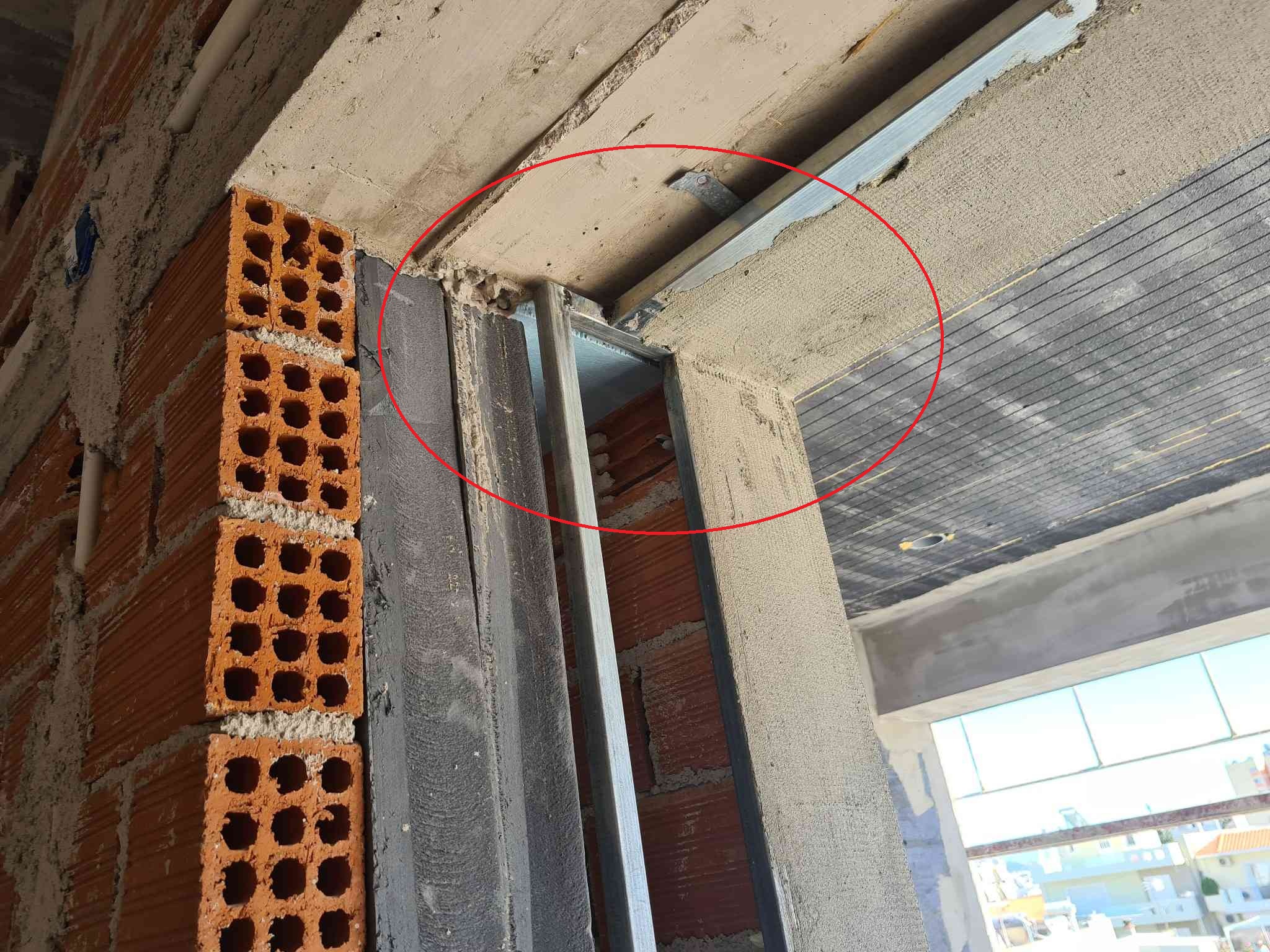
Metal subframes – false frames (pre-frames) have been established as the ‘essential bases’ for the installation of any frame. They are installed after the brickwork in every new construction and before the plastering. They provide a guide for good and level plastering with straight finishes on the frame lintels and proper and aesthetically pleasing reveals for each frame.
When and where are false frames needed?
False frames are useful mainly for plasterers (to plaster straight) and not for aluminum frames, since in all European countries and with modern support methods, frames can be screwed directly into the masonry, even into bricks. Also, in the case of replacing wooden frames with new aluminum ones, we never use false frames. Therefore, false frames are not necessary (at least for aluminum frames) neither in new constructions nor in the case of frame replacement, and if plasterers use guides for plastering and achieve relatively straight reveals – masonry, false frames are not needed.
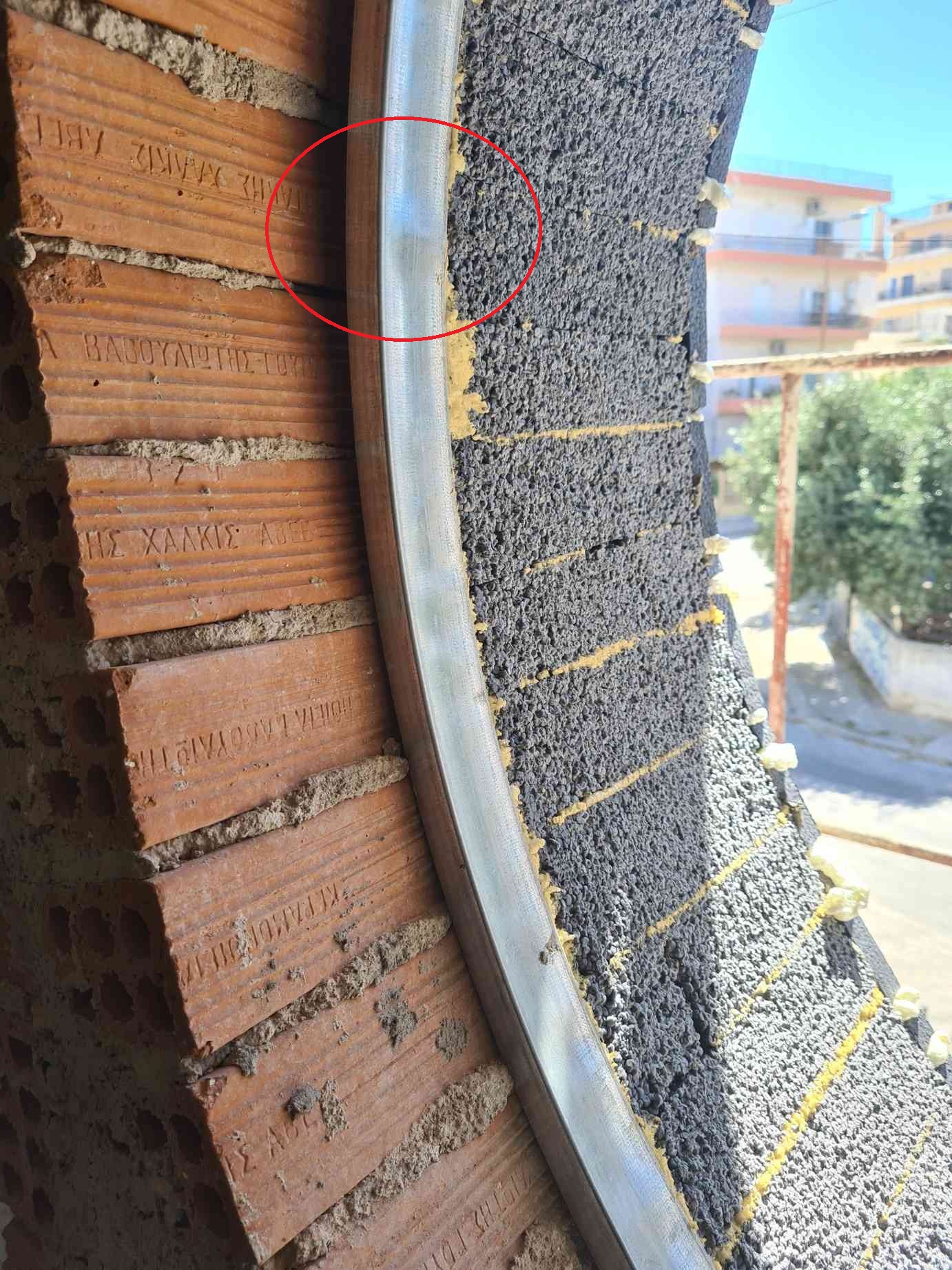
An additional problem created by metal false frames in thermally broken – energy-efficient frames is the creation of a thermal bridge if plastic elements are not present around the frame. .
An exception for the use of false frames is the replacement of wooden flush-mounted frames. In the replacement of these frames, the installation of false frames is essential because the reveal – masonry must be plastered before the installation of the new energy-efficient sliding frames.
When are false frames installed?
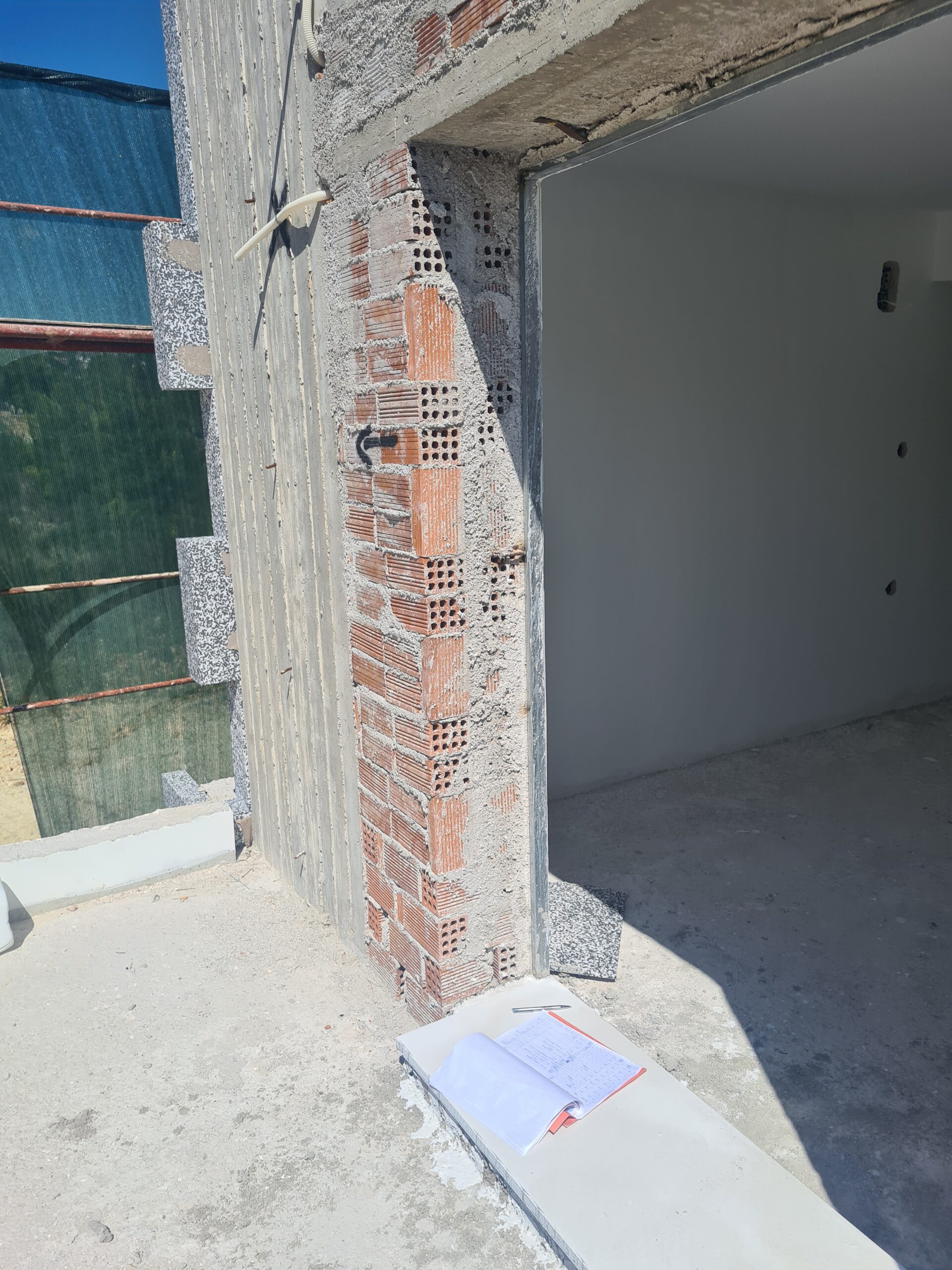
If you decide to install false frames, they should be placed immediately after the completion of the masonry (after the bricks) and before the plumbers, electricians, and of course, the plasterers.
Where are false frames installed?
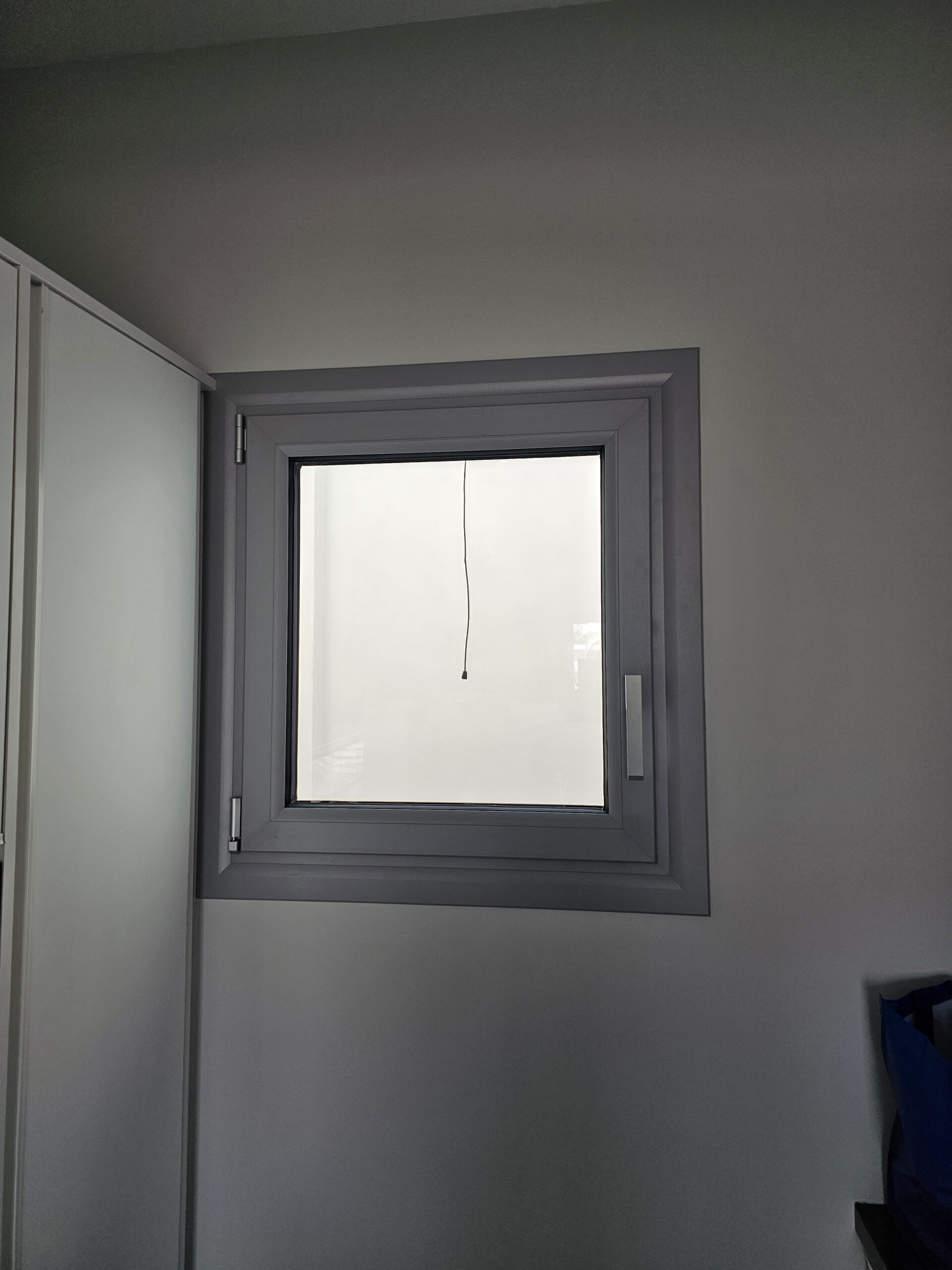
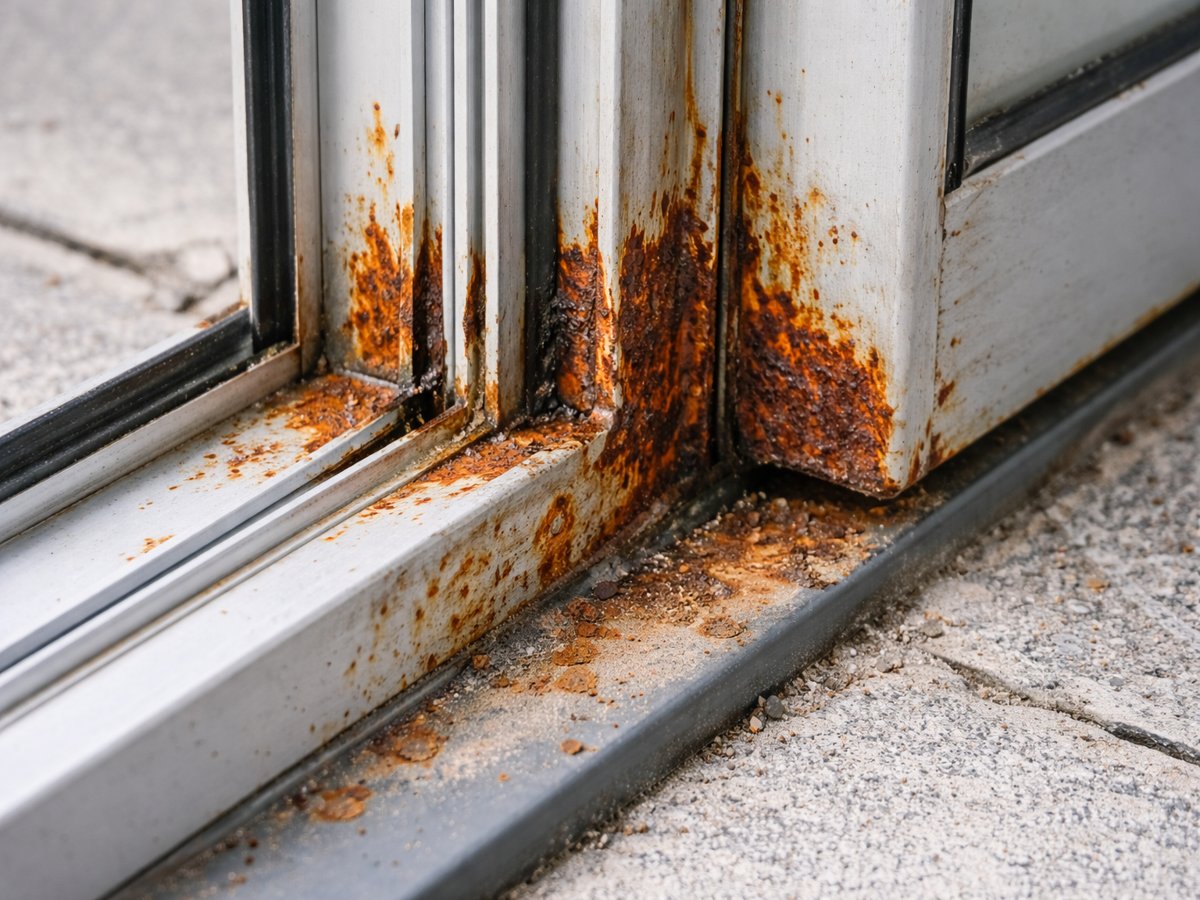
The point where false frames will be installed is the same point where the frame will be placed. Under no circumstances should the false frame be visible because even if painted, it will peel and rust. Therefore, the false frame must be covered by the frame or aluminum elements.
There are two points in the masonry where false frames can be installed: internally and ‘flush’ with the inside of the house, and in the center of the reveal – masonry.
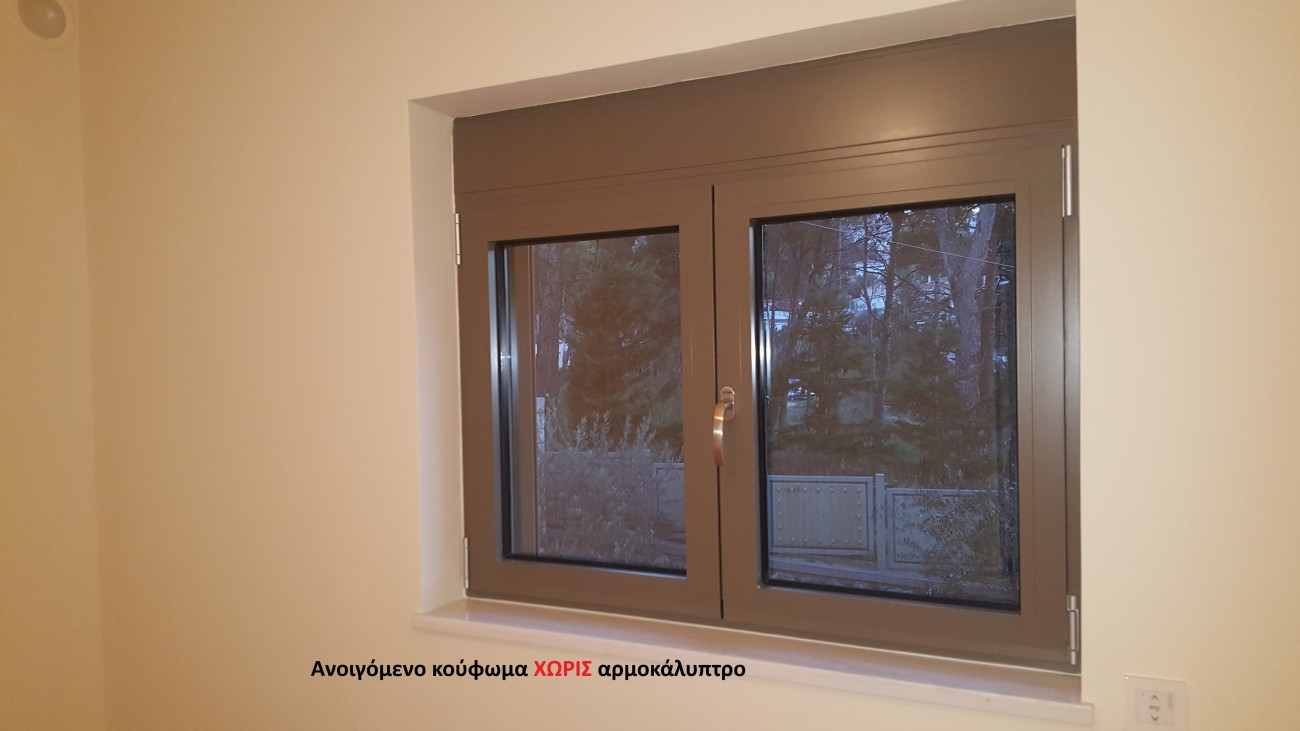
False frame installation internally ‘flush’ with the inside
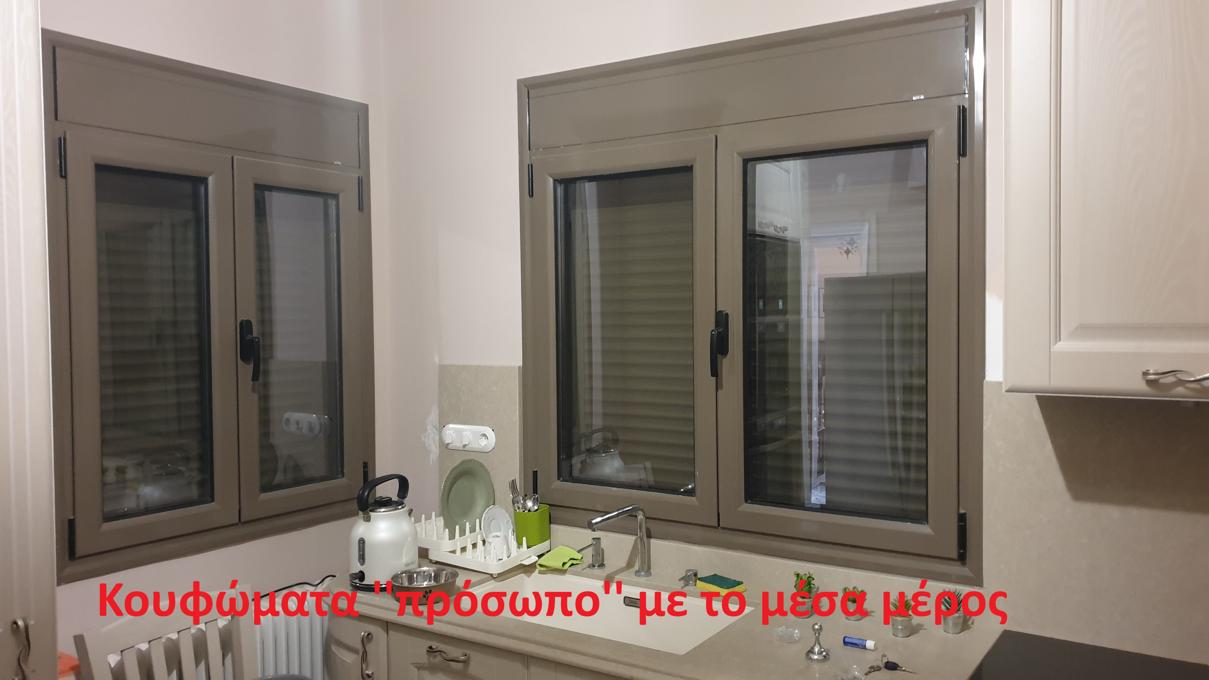
As mentioned above, the point where the false frame is installed is where the frame will be placed. If we install the false frame ‘flush’ with the inside, this means that our window will be on the same line as the interior wall.
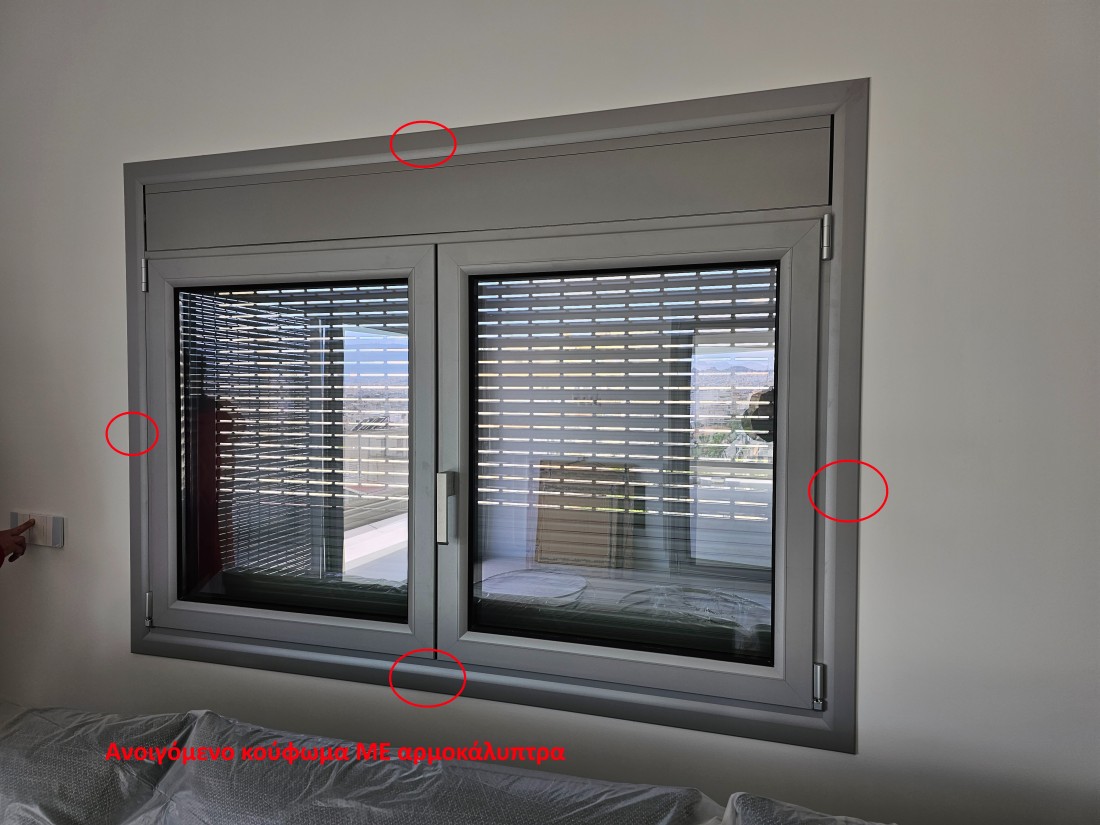
Advantages:
- The sashes of the opening frames open 180 degrees.
- Architraves – wings are installed on the frame, covering the frame joints and the unsightly silicones and joint fillers.
- Ease of use
Disadvantages:
- In some cases, there is an installation problem with curtains or roller blinds.
False frame installation in the center of the wall – Reveal
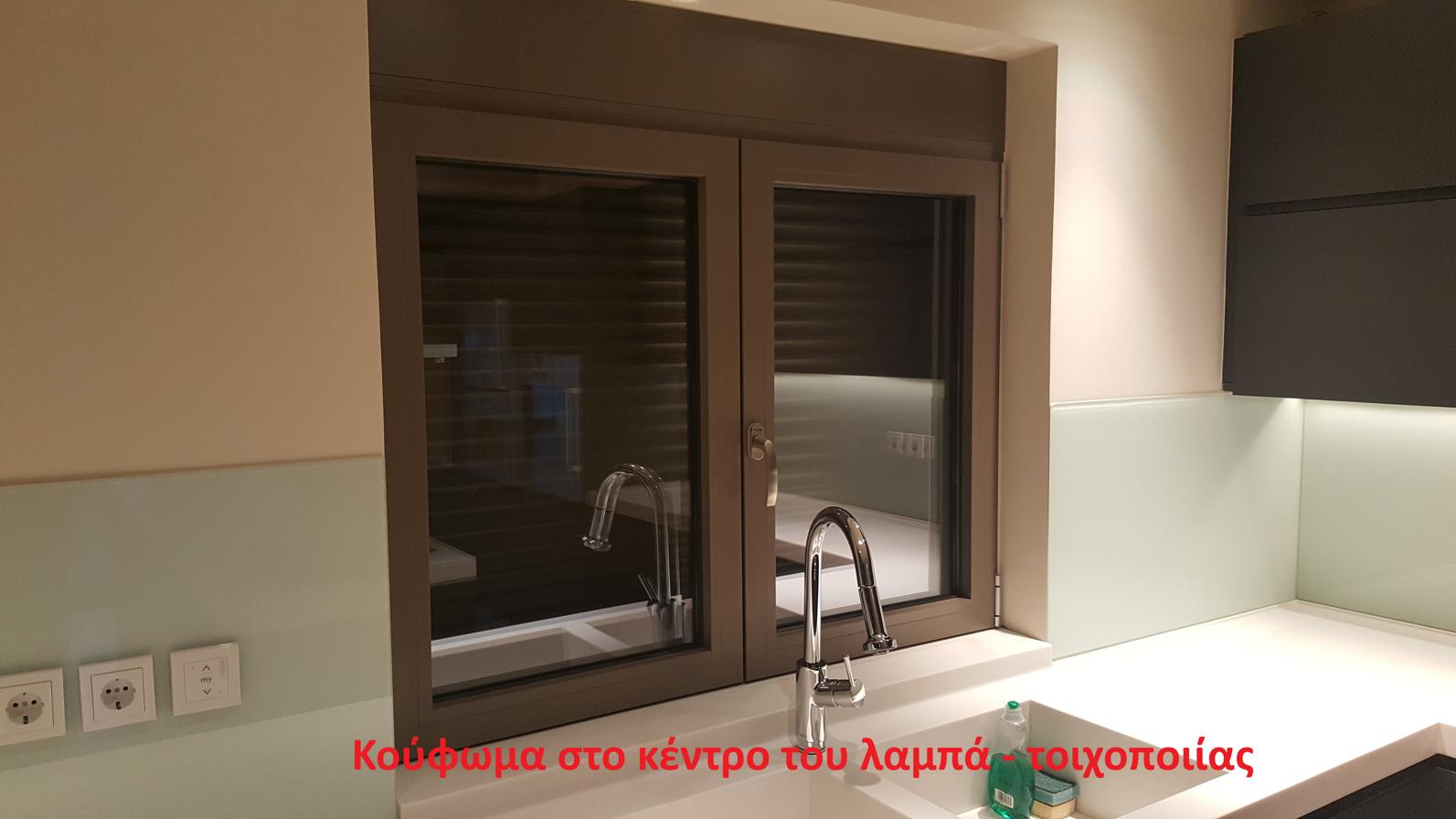
The option of installing frames in the center of the wall – reveal is usually preferred in kitchens and bathrooms.
Advantages:
- A sill is created on the inside of the house for placing objects (e.g., detergents, bottles, small pots, etc.)
- Roller blinds and curtains can be easily installed.
- We save space
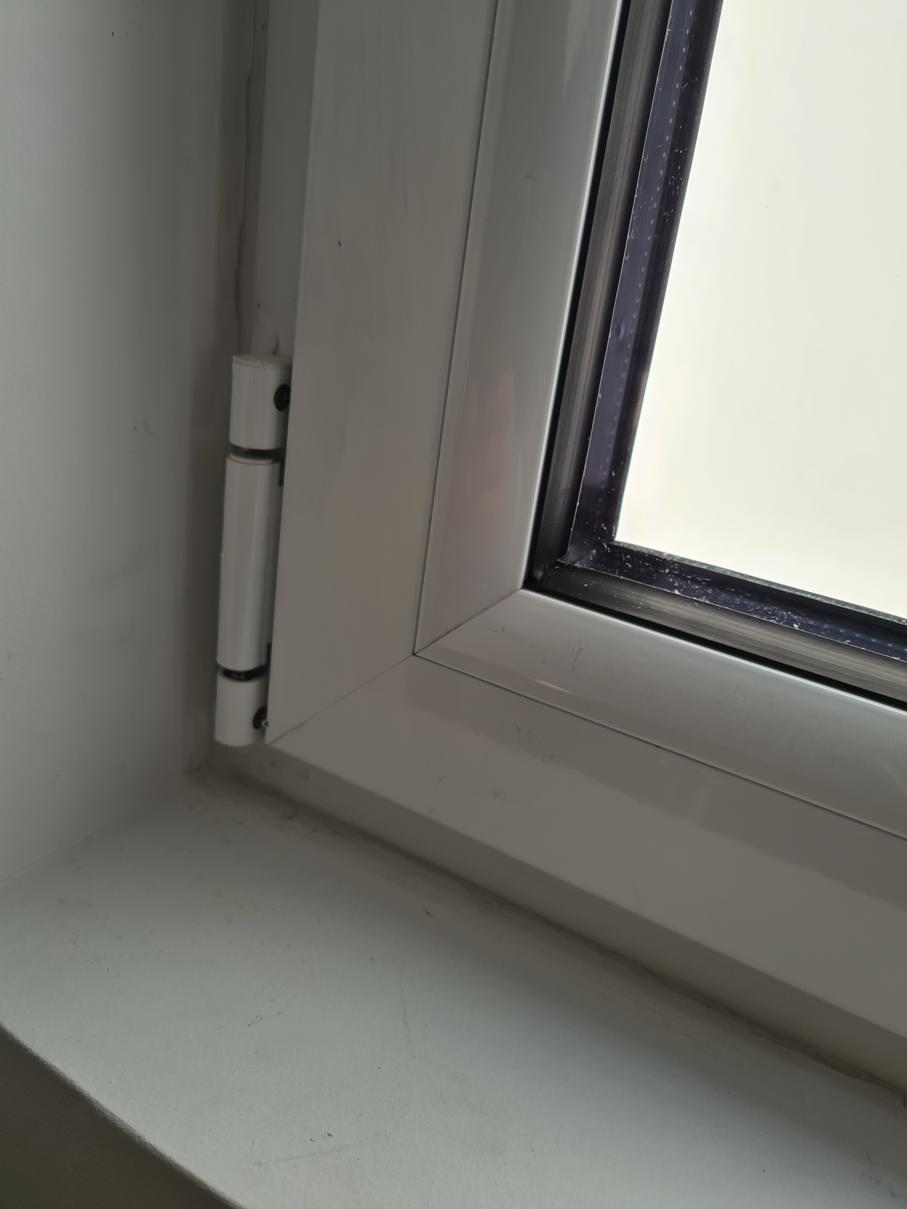
Disadvantages:
- The sashes of the frames open up to 100 degrees, and there is often a risk of accidents.
- The sealing silicones and joint fillers are visible.
- Difficulty of use because sometimes we cannot reach the handles and screens.
- When open, the sashes remain inside the house.
What to look out for with false frames
It is advisable that the person responsible for the frame construction is also the one who installs the false frames, if you choose to include them, to avoid potential complaints about them being crooked and responsibilities for the frames not working correctly due to incorrectly installed false frames. You should also pay attention to:
- Welds should be covered with special materials to prevent rust over time.
- discuss where the frames will be installed
- They must be level and square because they affect the ‘air’ (gap from the wall) between the frame and the wall, which is very important for the operation of the frame and for straight walls – plaster.
- They must be completely covered after the installation of the frames.
- Discuss the possibility of installing expanded metal lath for concealing roller shutter boxes.
photo with false frame for roller shutter box concealment
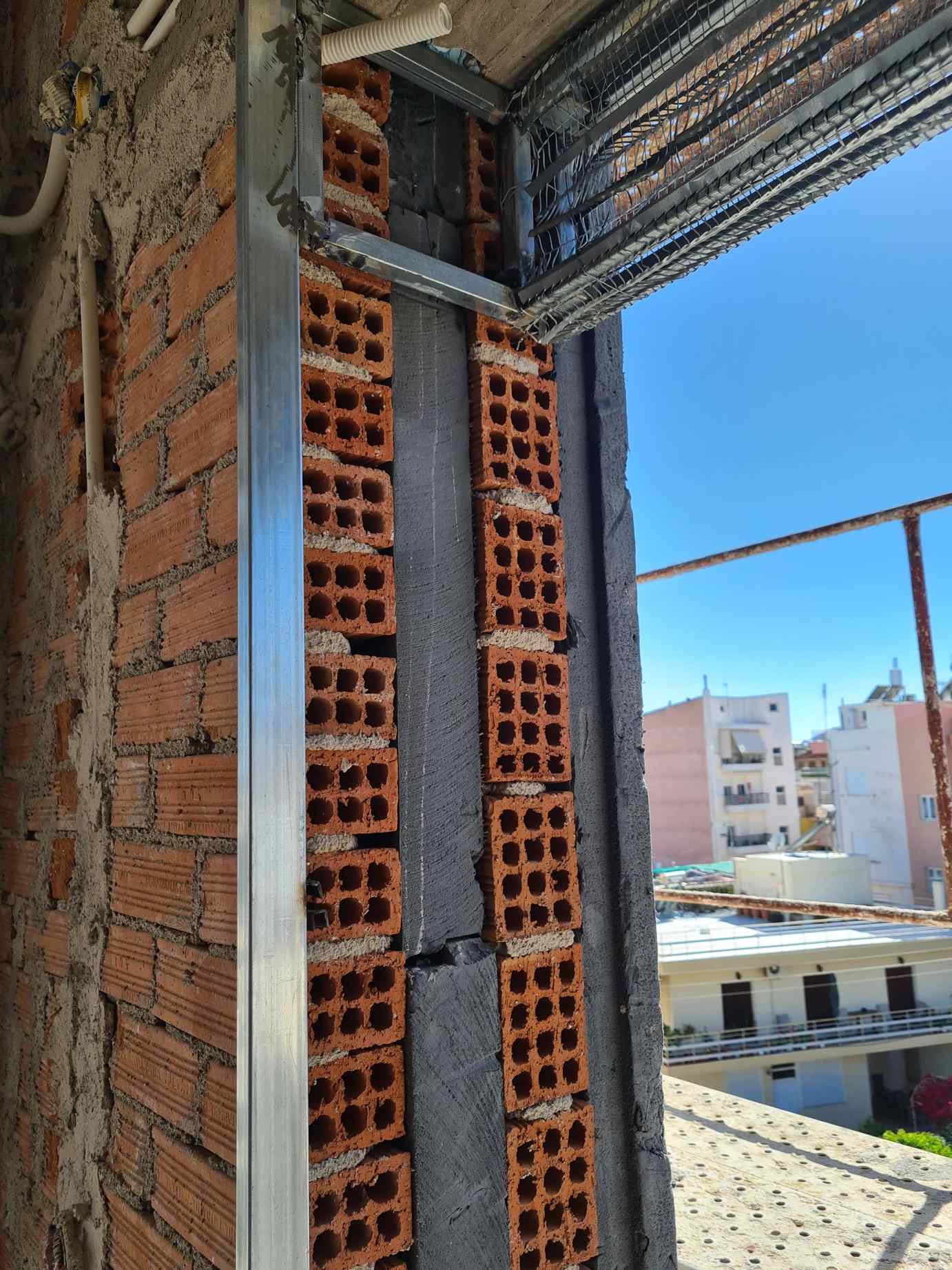
False frames for roller shutters and guides – Expanded metal lath.
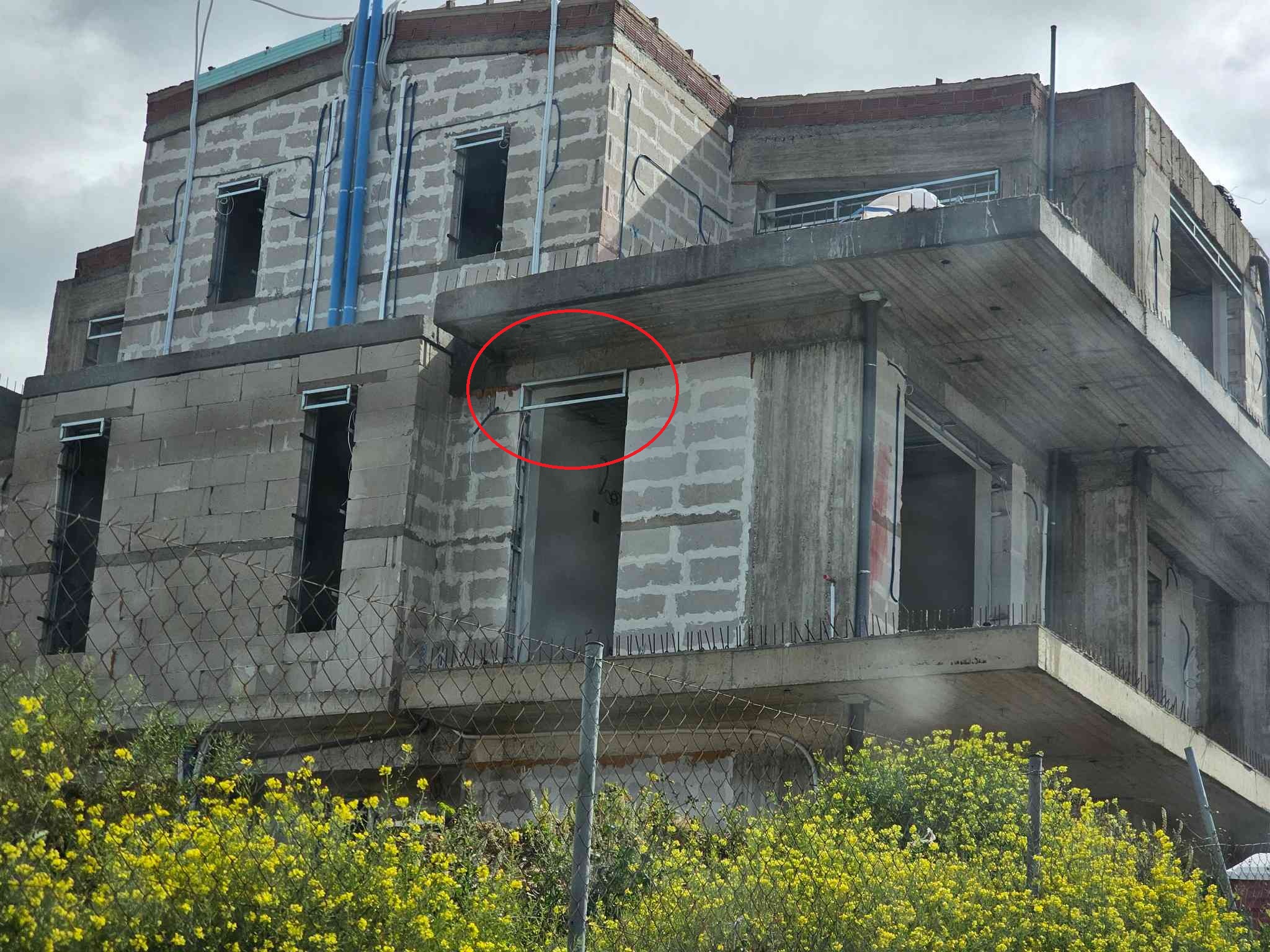
See False frames for roller shutters and guides – Expanded metal lath and their external covering.
Watch a video on the non-use of false frames in aluminum frame replacement.