





Technical Specifications of Energy-Efficient Glazing (Glass Panes)
The Technical Specifications of energy-efficient glazing (glass panes) indicate the performance of the glass panes regarding their thermal insulation, sound insulation, brightness, clarity, etc. The Technical Specifications of energy-efficient glazing (glass panes) are declared by their manufacturer (glass manufacturer) in a document called a Declaration of Performance for Glazing, which they are legally obliged to provide to end-users.
The technical characteristics of glass panes play a crucial role in the overall functionality of a space, affecting thermal insulation, sound insulation, security, and the amount of natural light entering it.
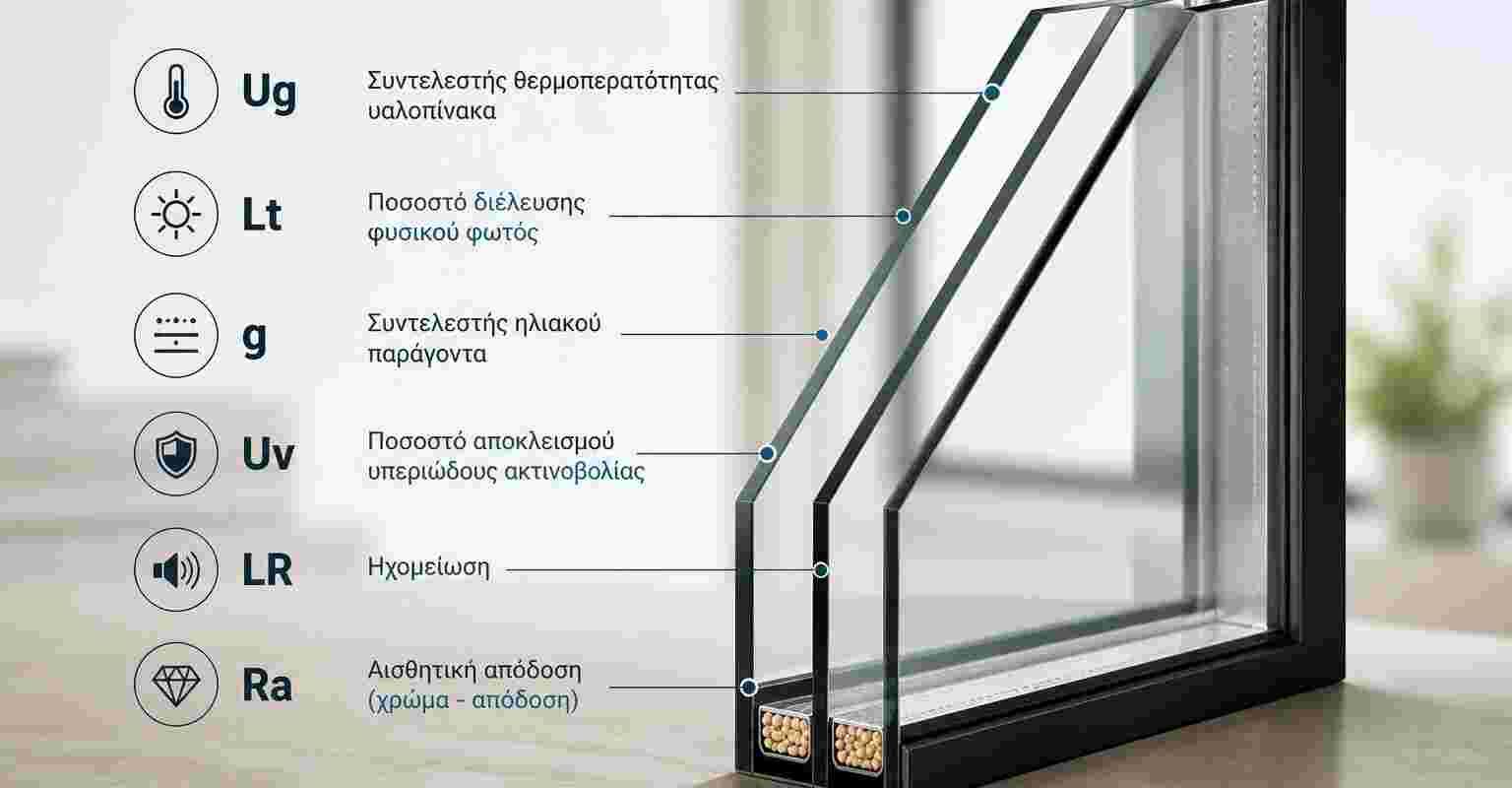
The main Technical Specifications of energy-efficient glazing (glass panes) are as follows:
Type of Glazing
- Simple (single) glass panes have a small thickness and are mainly found in older buildings.
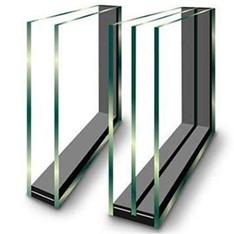
- Modern energy-efficient glazing, double or triple, consists of multiple layers of glass, with an intermediate space filled with air or special gases, significantly improving insulation.
- Laminated glass features an intermediate membrane that holds fragments together in case of breakage, offering increased protection.
Thermal Transmittance Coefficient (Ug)
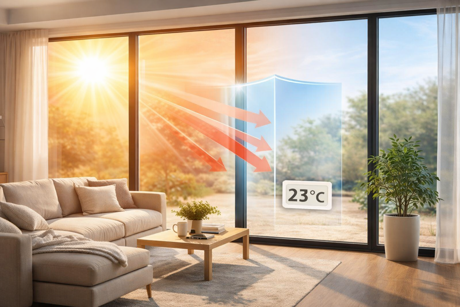
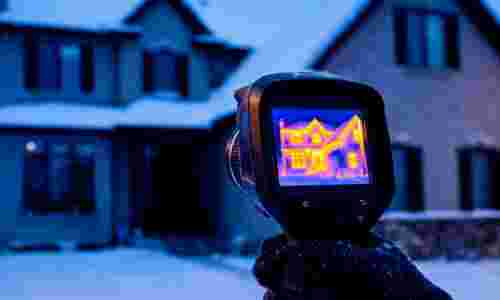
The thermal transmittance coefficient (Ug) is the main indicator that shows us the level of thermal insulation of the glass. It expresses the amount of heat that passes through the glass, in relation to time, surface area, and temperature difference. It is measured in W/m²K, and the lower its value, the better the thermal insulation capacity.
Light Transmittance Coefficient (Lt)
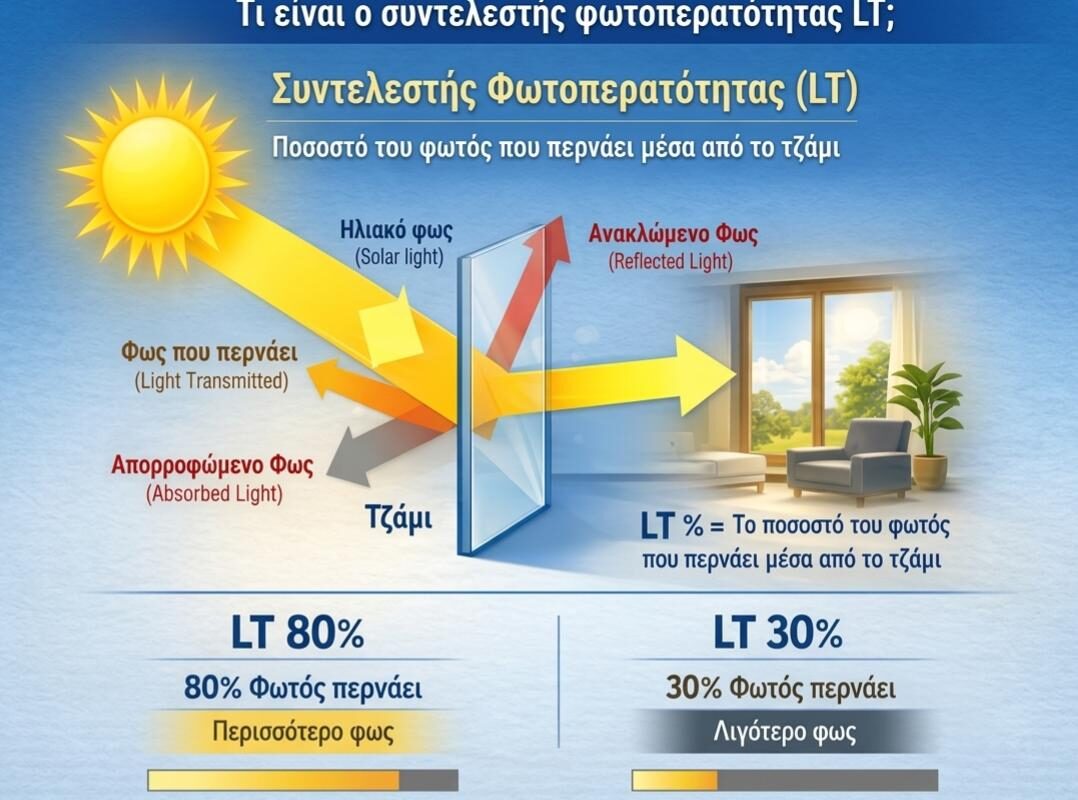
The light transmittance coefficient (Lt) indicates the percentage of natural light that can pass through the glass (brightness). It is expressed as a percentage (%) and directly affects the brightness of the interior space. Values between 60% and 80% are considered ideal for balanced natural lighting.
Solar Factor (g)
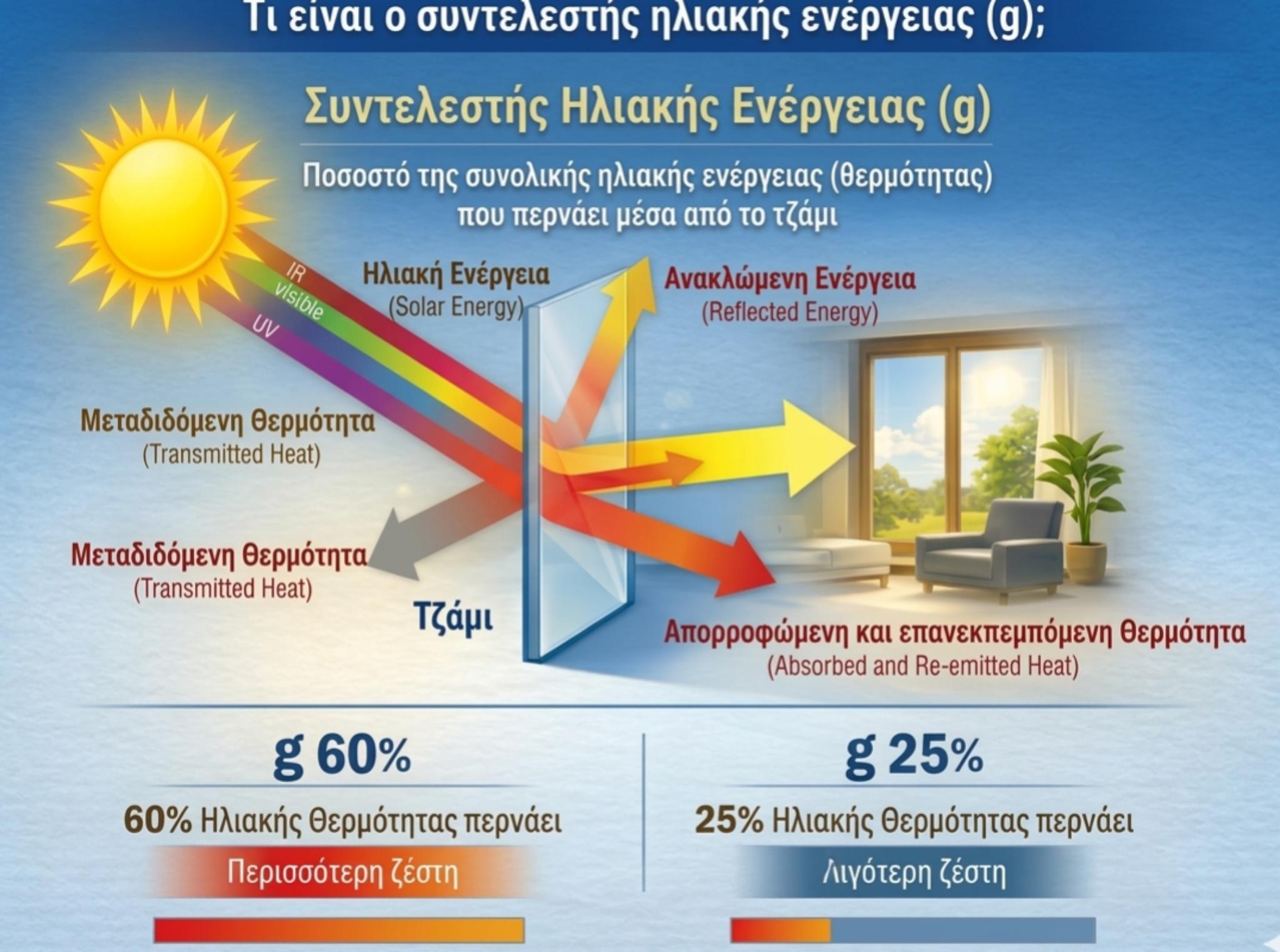
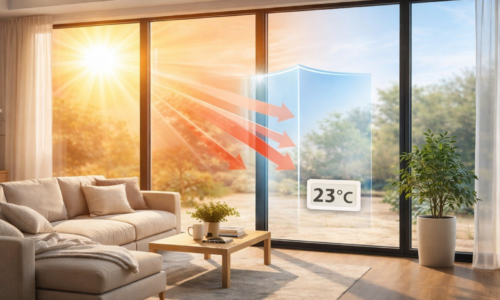
The solar factor (g) refers to the percentage of solar energy that enters the interior space through the glazing. This is also expressed as a percentage and is particularly important in countries with intense sunshine, such as Greece. The lower its value, the more the thermal load on the space is limited, with a percentage around 40% considered appropriate.
Sound Reduction Index (Rw)
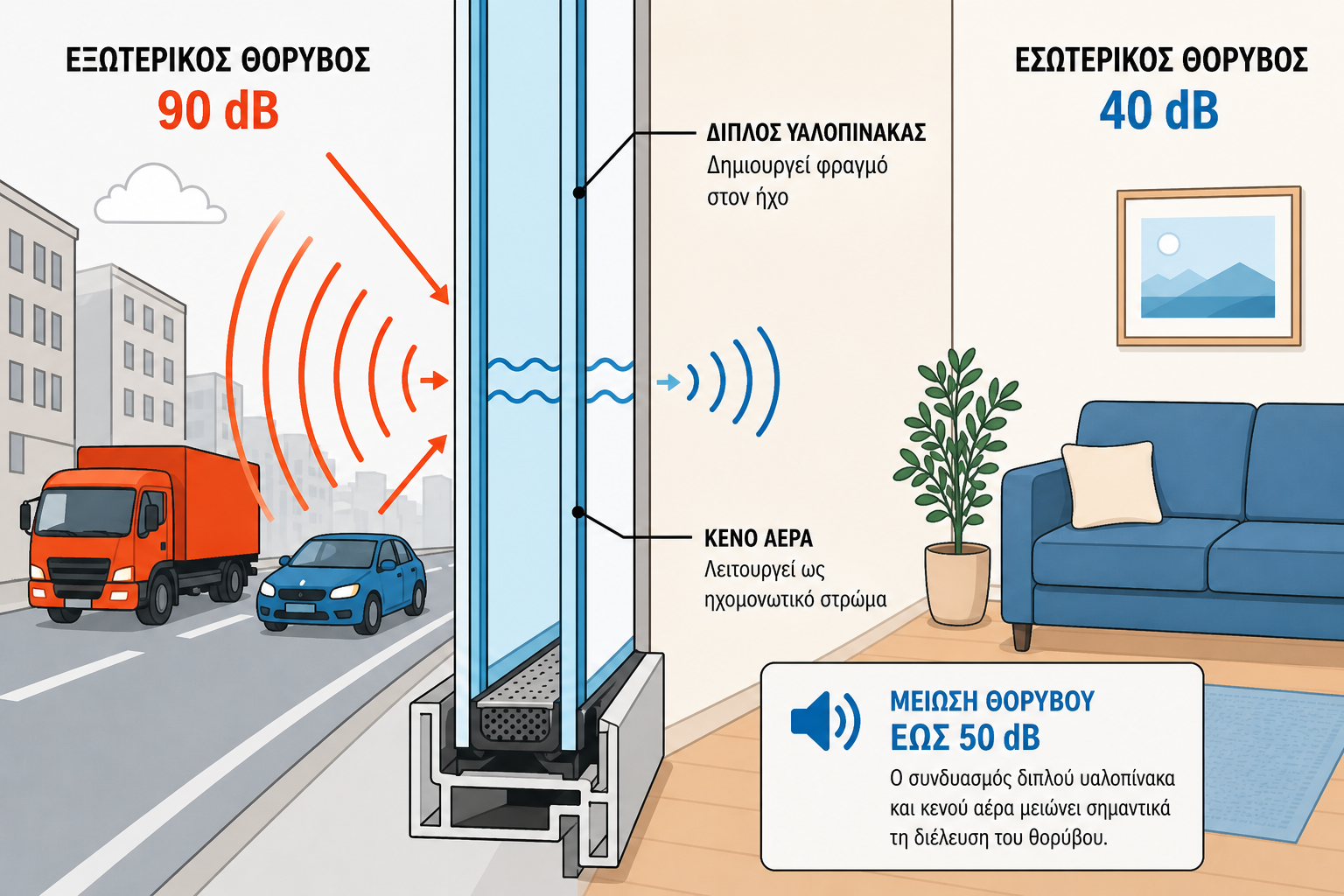
The sound reduction index (Rw) indicates the sound protection offered by the glazing. It is measured in decibels (dB), and the higher the value, the better the sound protection it provides (see more on types of soundproof frames and glass).
UV Radiation Exclusion Percentage
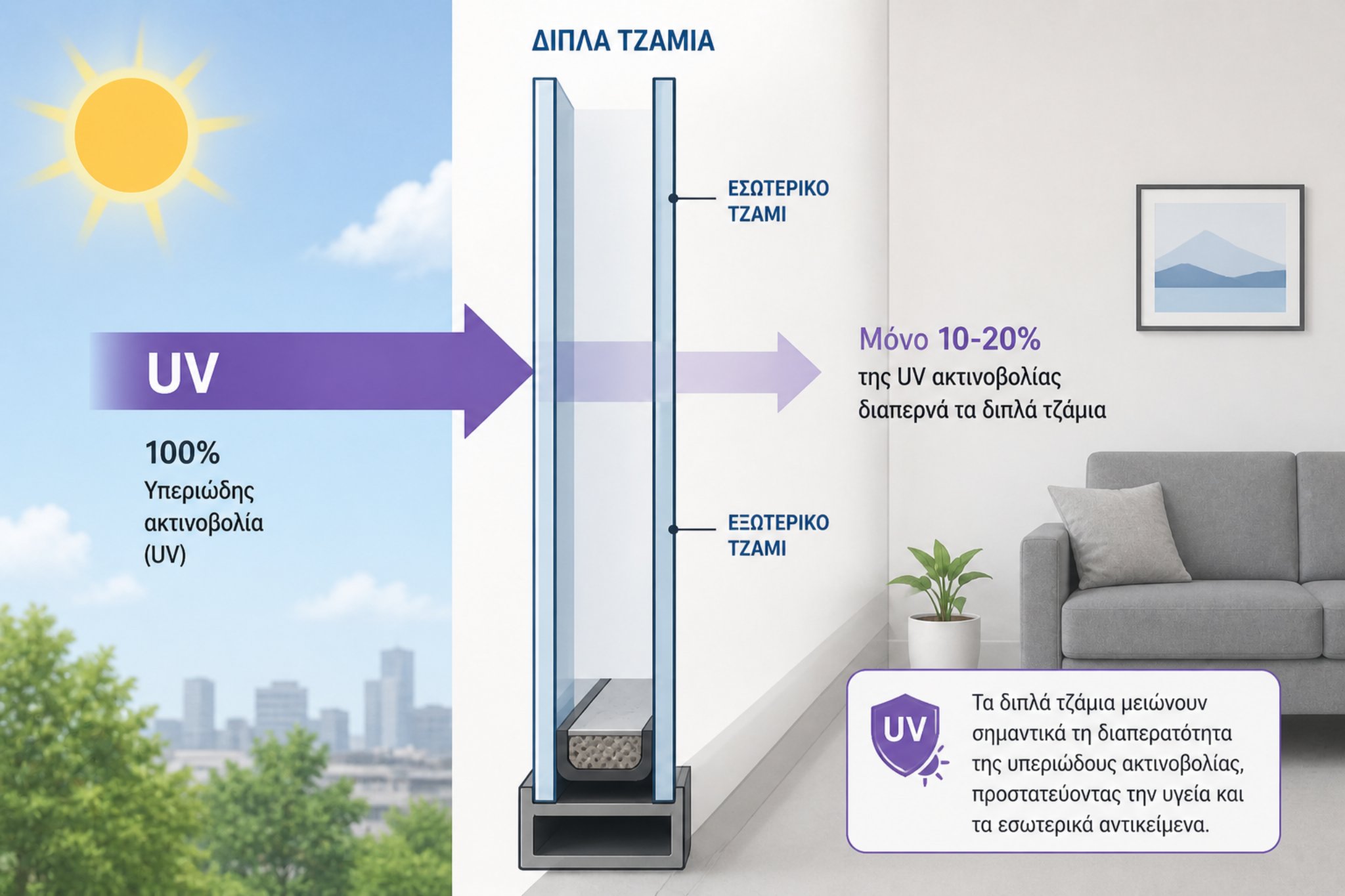
The UV radiation exclusion percentage indicates the percentage of harmful radiation that passes through the glass. This property depends on the type of glazing and its coatings and is particularly important, as it contributes to the protection of both objects (furniture, fabrics) and human health.
Light Reflectance (LR or Pν)
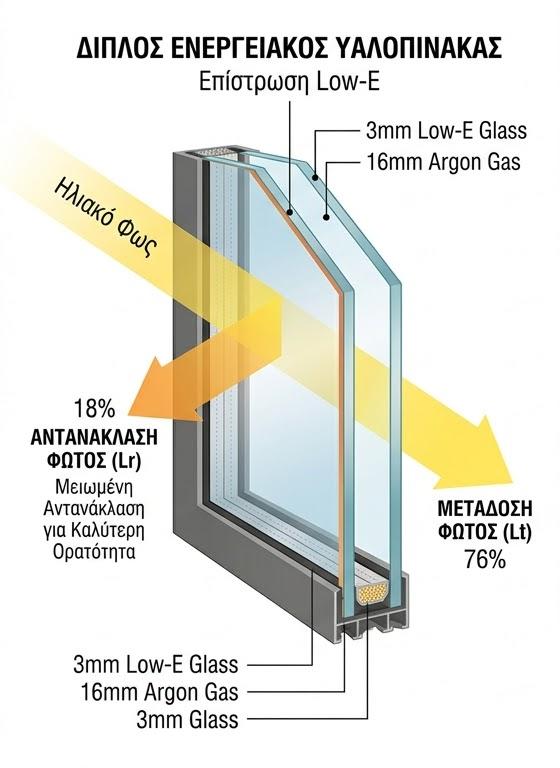
The light reflectance (LR or Pν) captures the percentage of light reflected from the glass surface relative to the incident light. This characteristic is related to both aesthetics and visual comfort.
Color Rendering Index (Ra)
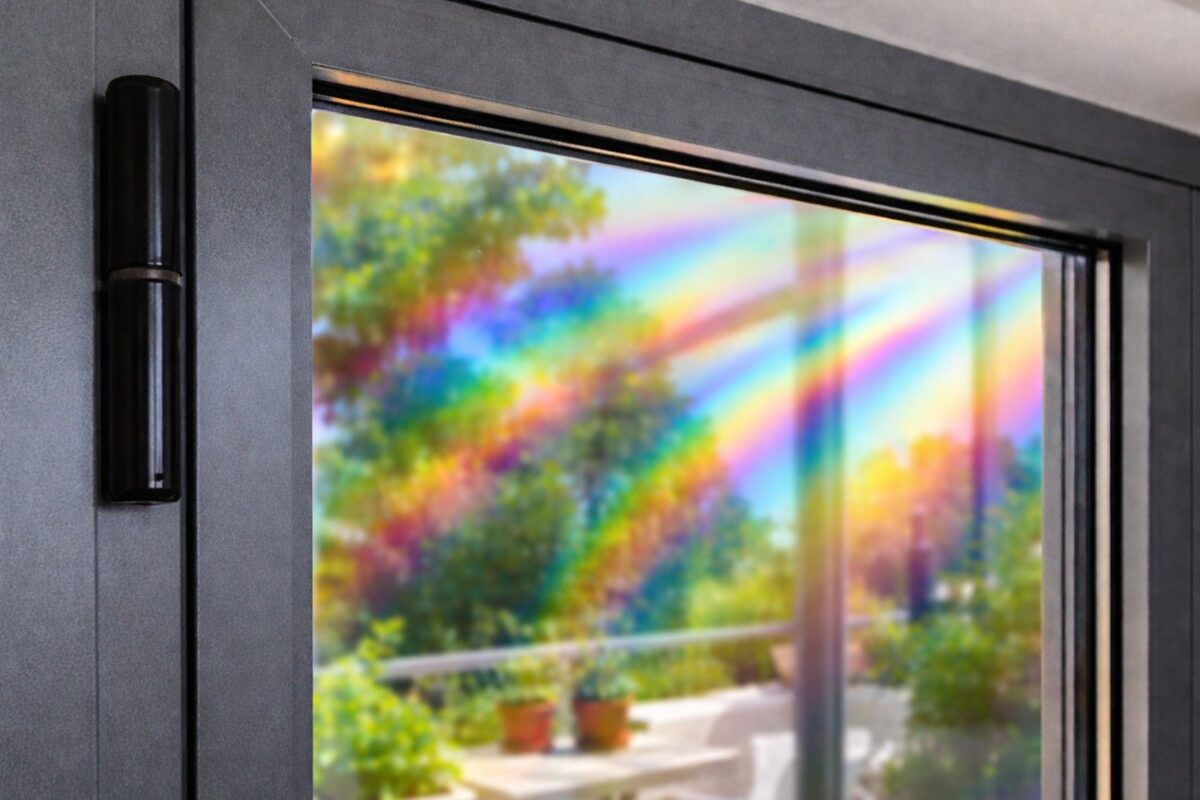
The color rendering index (Ra) indicates the extent to which the glass affects color fidelity. Values between 80% and 90% ensure natural rendering, while values above 90% indicate high-quality glazing. Conversely, when the value is below 80%, a noticeable distortion of colors is observed.
Fire Resistance
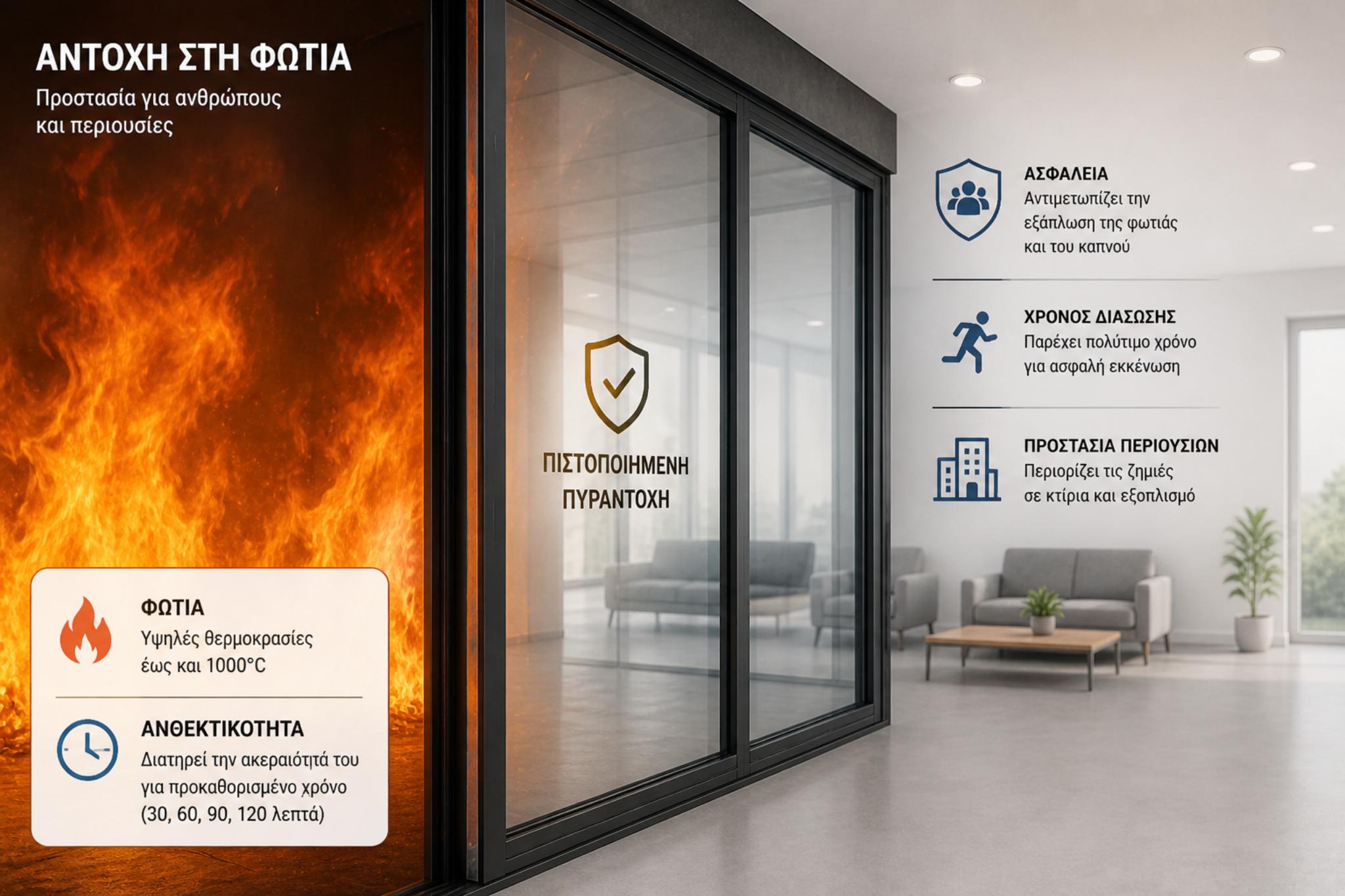
There are special glazing constructions with materials that react to high temperatures, contributing to delaying the spread of fire (see more on fire-resistant frames).
NPD (non performance declared)
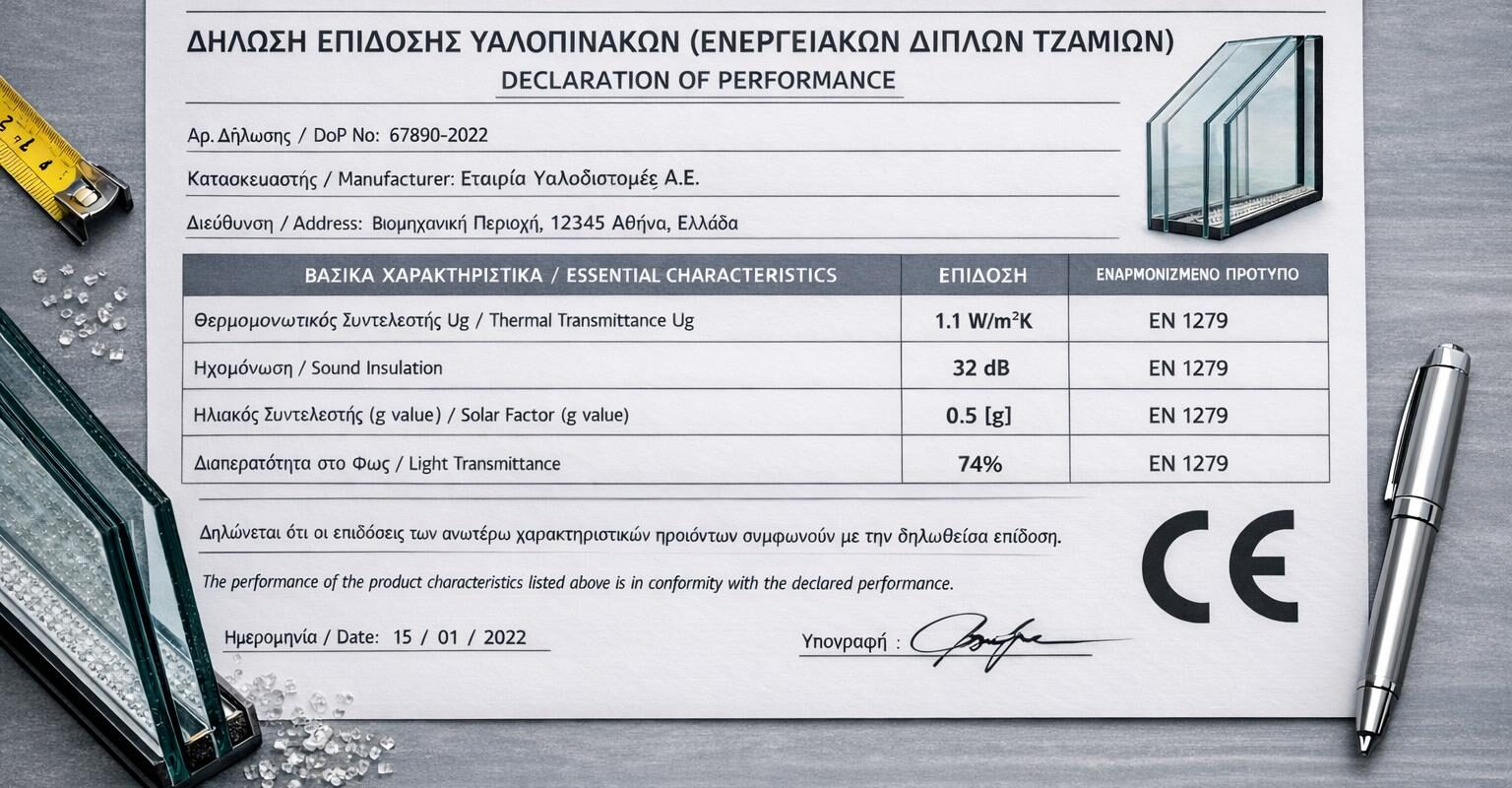
If, for specific Technical Specifications of energy-efficient glazing in the Declaration of Performance for Glazing, the indication ”Npd” (non performance declared = no declared measurement) is stated, it means that these specific characteristics are unknown (they have not been measured).
In summary, the choice of appropriate glazing should not be based solely on price, but primarily on its technical characteristics, which directly affect comfort, energy efficiency, and protection of the space.
See all types, kinds, prices, and characteristics of energy-efficient glazing.