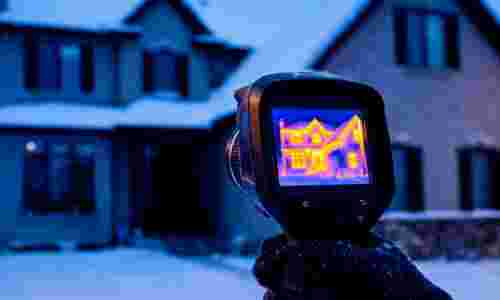














Frame performance is an important criterion for the energy efficiency of a modern building. Frames do not only function as opening elements for lighting and ventilation of the space, but also constitute a basic part of the thermal protection of the space.
How is frame performance measured?
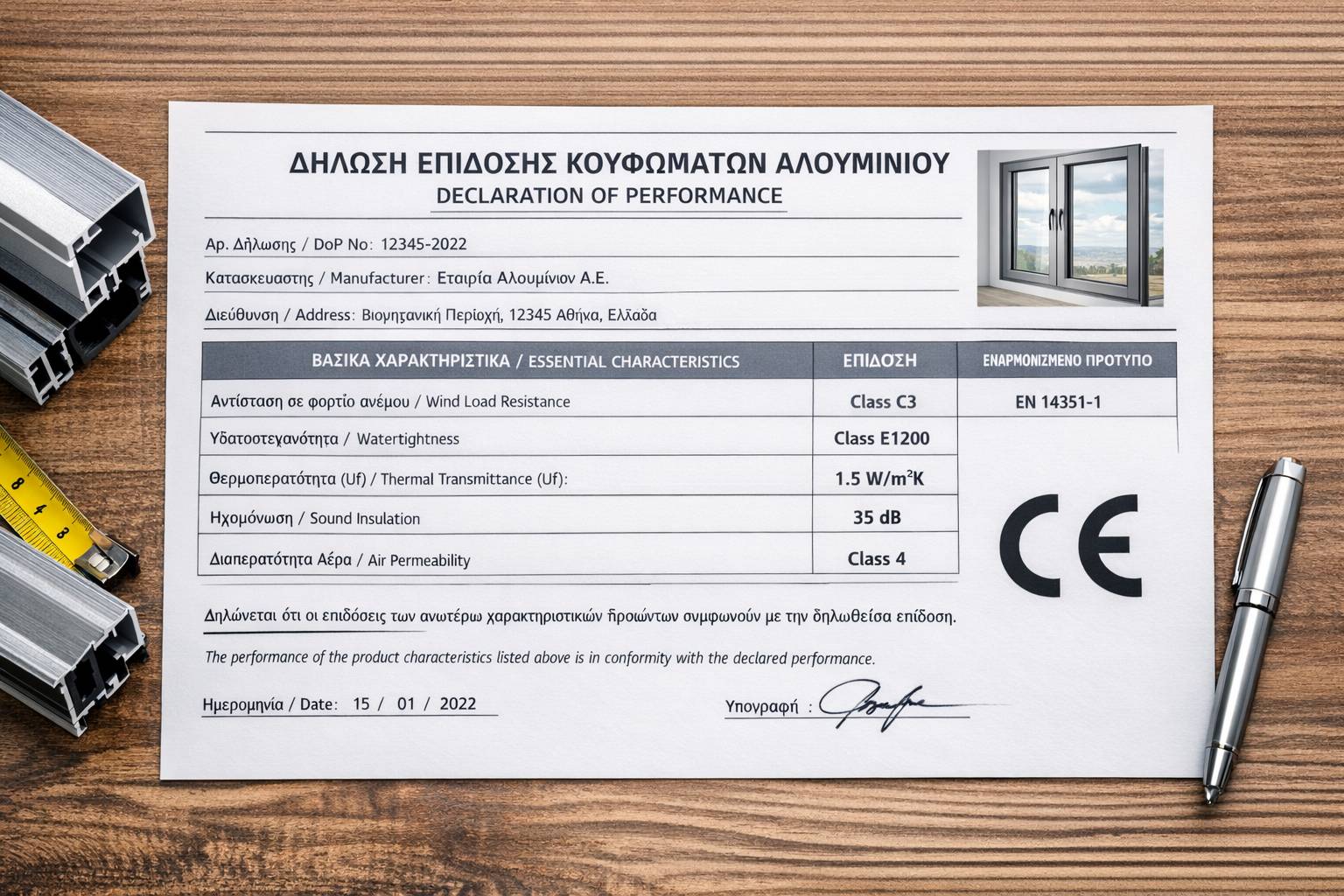
The overall frame performance is determined by specific technical characteristics that are evaluated based on European testing standards. The most important of these are:
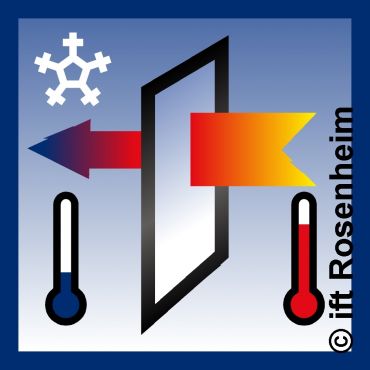
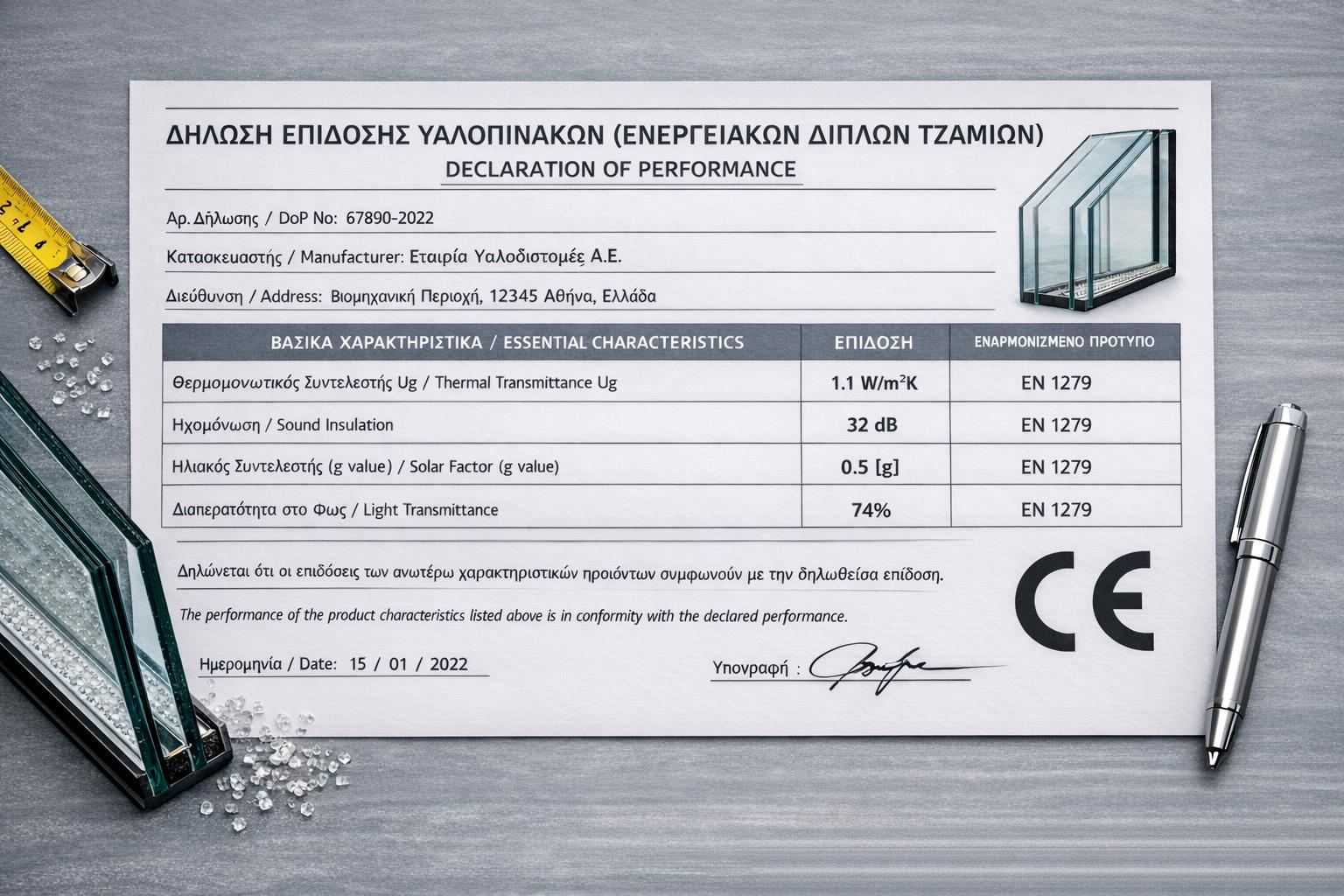
Thermal Insulation: Indicates the ability of the frame to limit heat transfer between the interior and exterior environment and is calculated in W/m2K (see more in frame thermal insulation).

Sound Insulation: Contributes to the reduction of external noise, improving the quality of living inside the building, and is calculated in decibels (see more in frame sound insulation).

Resistance to wind load: Evaluates the stability and durability of the frame against strong winds.
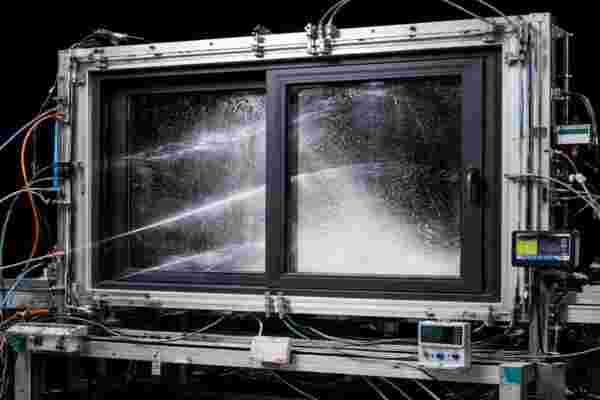
Water tightness: Ensures protection against water penetration during heavy rainfall.

Air permeability: Controls the passage of air through the connection points of the frame.
Additional quality features:
- Fire resistance – Fire-resistant frames

- Frame security against burglary
- Weapon resistance – Bulletproof

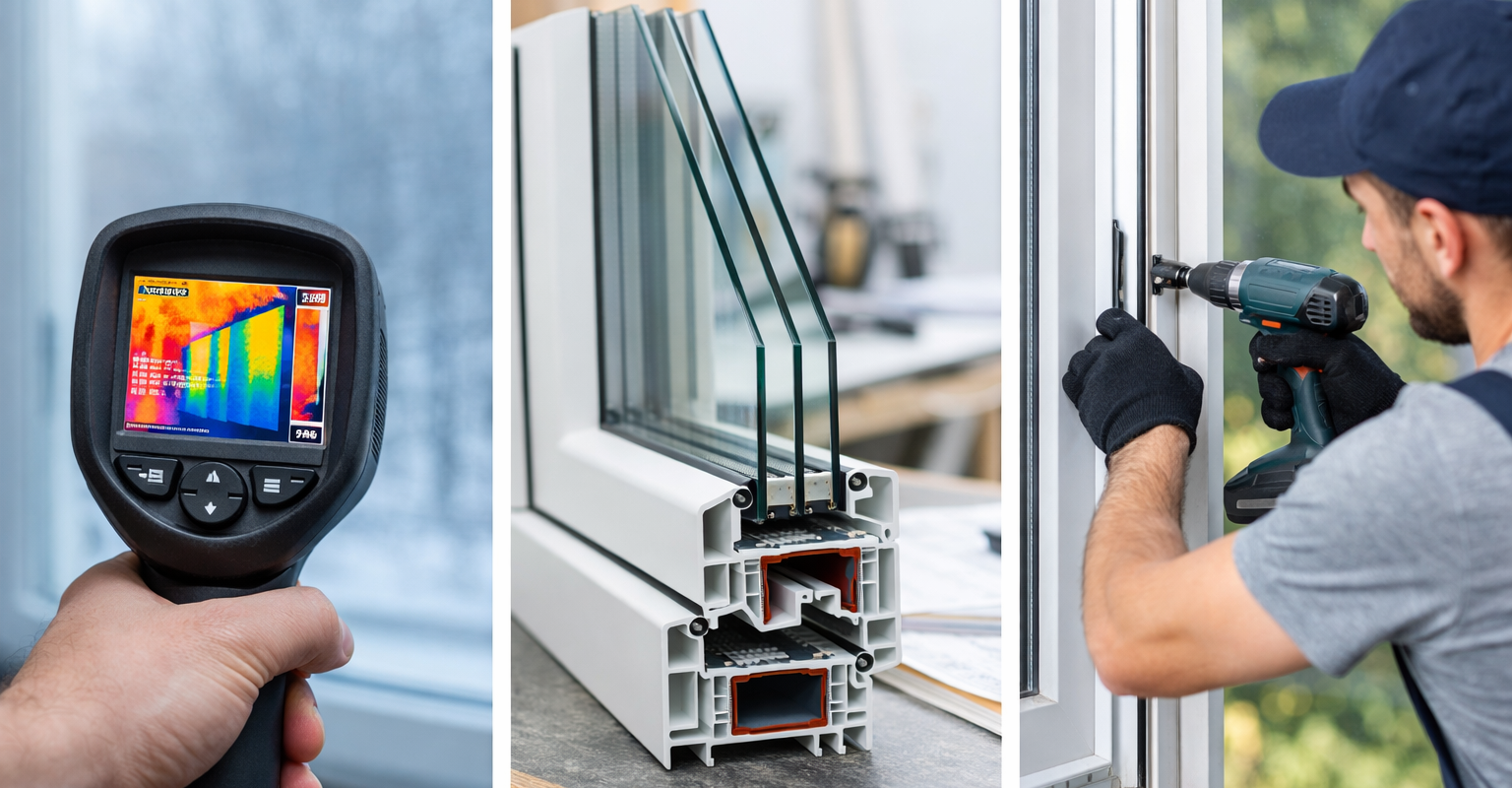
The appropriate energy-efficient glazing also plays a particularly important role in frame performance. Modern double or triple glazing with energy coatings reduces heat loss and contributes to maintaining a more stable indoor temperature.
Finally, to achieve maximum frame performance, proper construction and careful installation by experienced manufacturers are essential. The correct application of the system to the wall opening ensures sealing, durability over time, and full utilization of the frame’s technical characteristics.