









Frame Certificates and Technical Specifications (certificates) is a matter of increasing concern. Which certificates must frame manufacturers provide by law? What exactly are the frame performance factors and technical specifications provided, in relation to thermal insulation – thermal transmittance, sound insulation, water tightness, air tightness etc.? Which frames are tested by companies in testing laboratories? What exactly are the measurements taken in testing laboratories and what applies to our own windows? What do all the numbers given in relation to the technical characteristics of the frames mean? We will examine these and many other points in this text.
What exactly are the technical characteristics and frame performance factors provided, in relation to thermal insulation – thermal transmittance, sound insulation, water tightness, air tightness, etc.
For every product sold in the European Union, its technical characteristics must be declared (legal obligation) (Frame Certificates and Technical Specifications), so that the consumer knows the properties of the product they are purchasing. The above obligation also applies to aluminum frames. All frames (aluminum or PVC) have certain technical characteristics related to their performance. The most common are the thermal transmittance coefficient which concerns the thermal insulation offered by a window, the sound insulation coefficient which measures soundproofing capabilities, air permeability which provides information about the sealing of the frame in relation to air-wind, and the water tightness coefficient which measures the frame’s resistance to rain. The above coefficients indicate the performance of all frames (windows-balcony doors), in relation to the aforementioned characteristics. To see all coefficients and their classifications, in the quality – technical characteristics of frames.
Declaration of Performance for Aluminum Frames
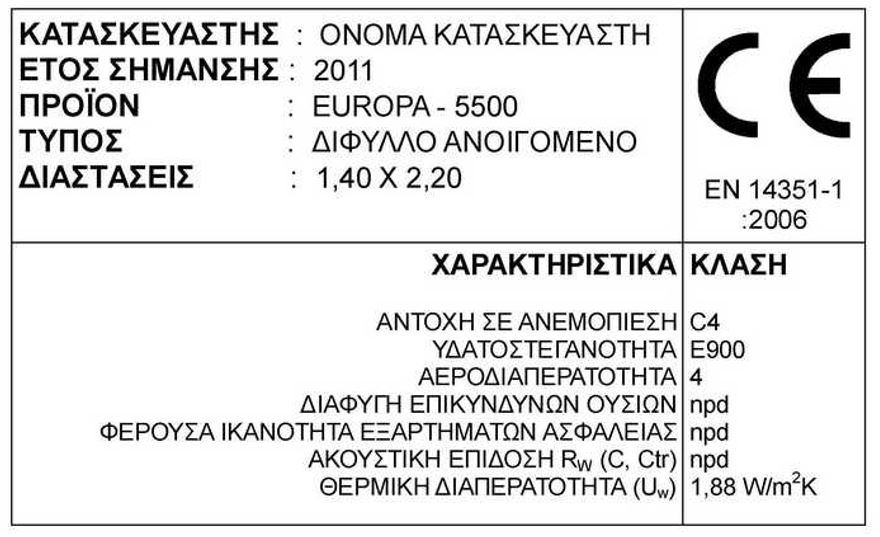
The Declaration of Performance for aluminum frames is a document that must be mandatorily provided by the aluminum frame manufacturer by law, after the installation of the frames. The Declaration of Performance for frames states the technical characteristics of each installed frame, so that the consumer is aware of the performance of the frames they purchased. Specifically, the Declaration of Performance for aluminum frames states:
- The thermal transmittance coefficient (thermal permeability – thermal conductivity) of the frame, which indicates the thermal insulation provided by the specific frame.
- The sound insulation coefficient, i.e., the protection the frame offers us in relation to sound.
- The air permeability coefficient, which gives us information about the airflow passing through our frame when it is closed.
- The water tightness coefficient, which informs us at what pressure and above our frame will lose its water tightness and water will pass into the interior of our space.
- The resistance to wind load which measures the deformation of a frame due to the pressure exerted by the air.
*If the specific technical characteristics state ‘Npd’ (non performance declared = no declared measurement), it means that these specific characteristics are unknown (they have not been measured).
All the above are necessary for issuing energy certificates for our home.
Declaration of Performance for Glazing – Glass
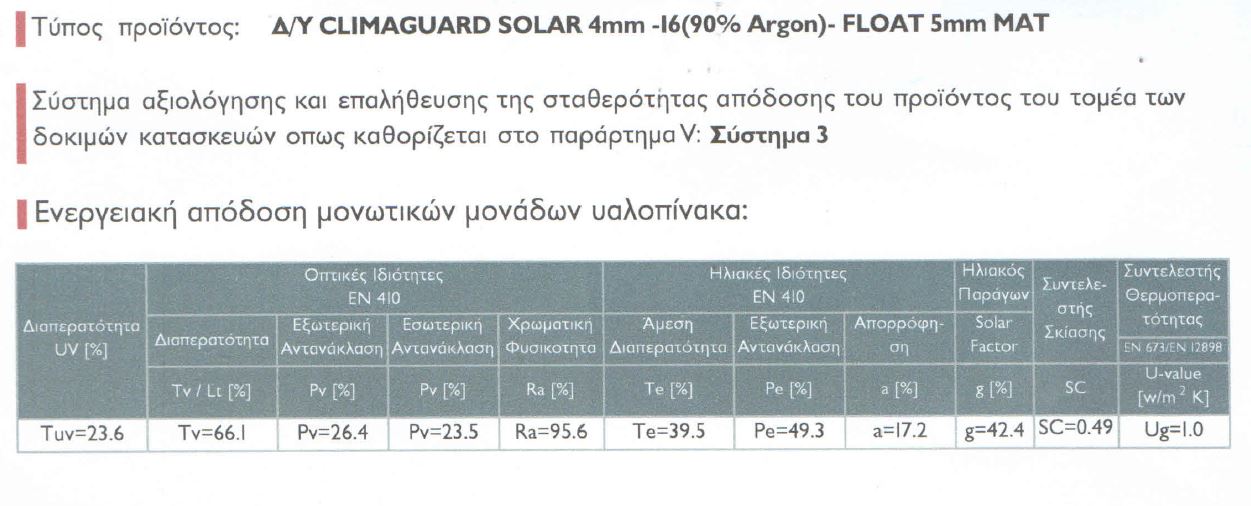
The Declaration of Performance for glazing – glass is a document that must be mandatorily provided by the aluminum frame manufacturer by law, after the installation of the frames. The Declaration of Performance for glazing is issued by the producer of the glazing (glass manufacturer) and provided by the aluminum frame manufacturer. The Declaration of Performance for glazing states the technical characteristics of the glazing installed in our frames and specifies:
- The type of glazing and its cross-section. If it is energy-efficient glazing, the exact type must be stated (see energy-efficient glass).
- The producer – supplier of the glazing.
- The thermal transmittance coefficient of the glazing Ug, i.e., the thermal insulation provided by the glazing.
- The light transmittance coefficient (Lt), i.e., the percentage of light in % that passes through the glazing.
- The solar heat gain coefficient of the frame (solar factor = g), which shows the percentage of solar energy that passes through the glazing.
- The UV coefficient which shows the percentage of harmful solar radiation that enters through the glazing.
- The sound reduction index Rw, which informs us about the sound protection provided by the glazing.
*If the specific Declaration of Performance for glazing – glass states ‘Npd’ (non performance declared = no declared measurement), it means that these specific characteristics are unknown (they have not been measured).
All the above are necessary for issuing energy certificates and also in case the glass needs replacement (e.g., breakage of glass).
Which certificates should we receive after purchasing frames from manufacturers and installers?
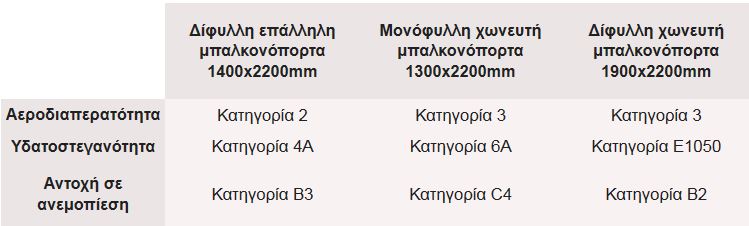
As mentioned above, for every product sold in the European Union, its technical characteristics must be stated. When purchasing frames (aluminum or PVC), you should receive a document that lists all technical characteristics (not only thermal transmittance – thermal insulation but also water tightness, air tightness, etc.) for each window or balcony door you purchase. This document is received from the frame manufacturer. See below what happens if the manufacturer changes a frame component or does not know the technical characteristics.
In the European Union and in most advanced countries (United Kingdom, USA), Product Qualification Testing is mandatory, and there are specialized Engineering Consultants to conduct tests (Custom Industrial IoT systems).
When are frame warranties and certificates not valid?

There are two cases where frame warranties and certificates are not valid:
- The technical characteristics of the frames are valid if the frame manufacturer constructs your frames in exactly the same way (mechanisms, gaskets, etc.) as the standard frame that was tested by the design company (e.g., Europa, Alumil, Etem, etc.). The construction method is described in the technical specifications manual for each series. If the manufacturer does not comply with the specifications in the technical specifications manual (e.g., changes mechanisms or gaskets), then the frame has unknown characteristics – properties.
- If the frame manufacturer does not install the frame (e.g., online frame sales – internet) but a different installation team undertakes the installation, then the installation team is responsible for the warranties (read more in the article online frame prices) and not the manufacturer. Additionally, for the frame performance declarations (the technical characteristics – certificates of the frame) to be valid, the installation team must strictly follow the installation instructions of the design company (e.g., Europa, Alumil).
Which frames are tested by companies in testing laboratories?
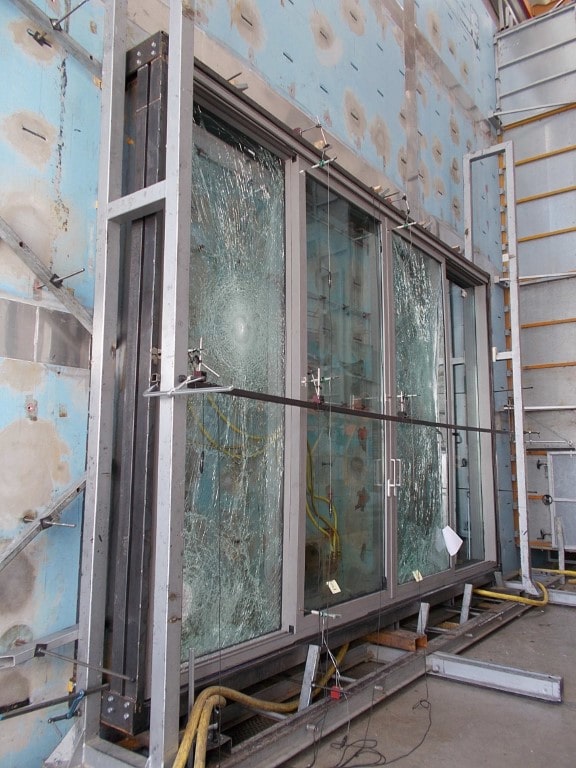
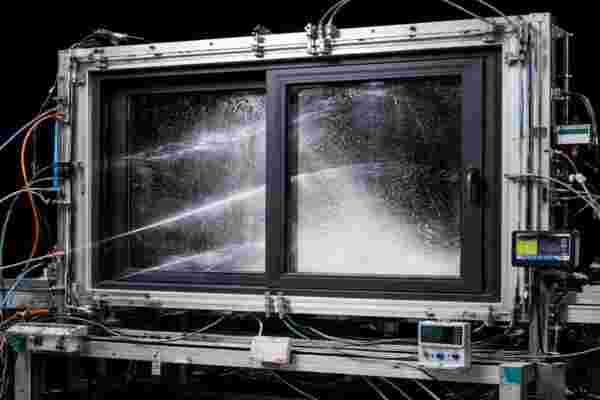
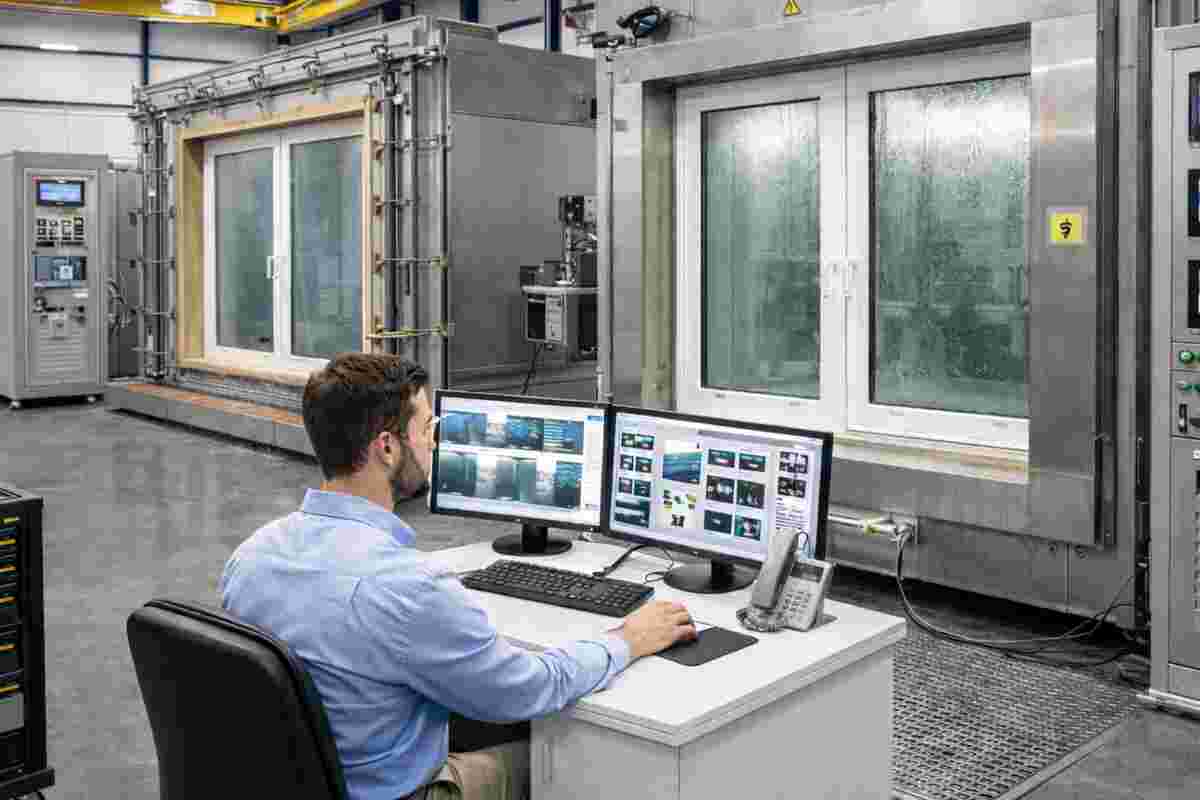
Every company that designs and creates a new series of frames (e.g., Europa 5500, Alumil 11000) must publish the technical characteristics of that series. To do this, it manufactures a window (prototype window) and sends it for testing, for the above technical characteristics, to certified laboratories in Greece and abroad (e.g., EKANAL, Ift Rosenheim). These specific testing laboratories, which have special testing chambers, test the prototype window regarding its resistance to thermal insulation, sound insulation, water tightness, etc., and provide the measurement results. For example, if a frame belongs to class 4 in water tightness, this simply means that the prototype window tested was sprayed with water for 25+5 minutes at a pressure of 150 Pa and withstood this test. See all coefficients and their classifications, in the quality – technical characteristics of frames.
What happens, however, when the frame dimensions change?
The problem with frames is that they are a product that can be manufactured in dozens of dimensions. That is, with the same aluminum series (e.g., Europa EOS-60), both opening bathroom windows of 50cm X 50cm and double-leaf balcony doors of 140cm X 220cm can be manufactured. These two frames do not have the same technical characteristics, even if they were manufactured with the same series. That is, they do not have the same characteristics in terms of thermal insulation, water tightness, air permeability, etc. However, because it is practically impossible to manufacture and test all frame dimensions, companies usually test two (2) prototypes: one window and one balcony door.
When do we not know the technical characteristics and what does NPD mean?
If the performance declarations – technical characteristics of a frame do not show any indication, but the initials NPD, this means that the profile has not been tested for its properties and we do not know its characteristics (No Performance Declared).
What applies to our own windows?
To see what applies to our own windows, we need to examine the test results and which prototype frame (dimension, profile, glass) was tested. The technical characteristics – frame performance factors provided by frame manufacturers refer to the prototype window that was tested, because it is practically impossible to test all dimensions of the said frame.
What happens if the frame manufacturer changes components (locks, rollers, etc.)?
If the frame manufacturer does not comply with the technical specifications manual and changes a component (e.g., mechanisms) compared to the prototype, they must mark the frame with the initials NPD (no performance declared), because the frame changes properties (technical characteristics – frame performance factors) compared to what the design company has tested.
Sound Insulation and Certificates – Technical Characteristics and Frame Performance Factors
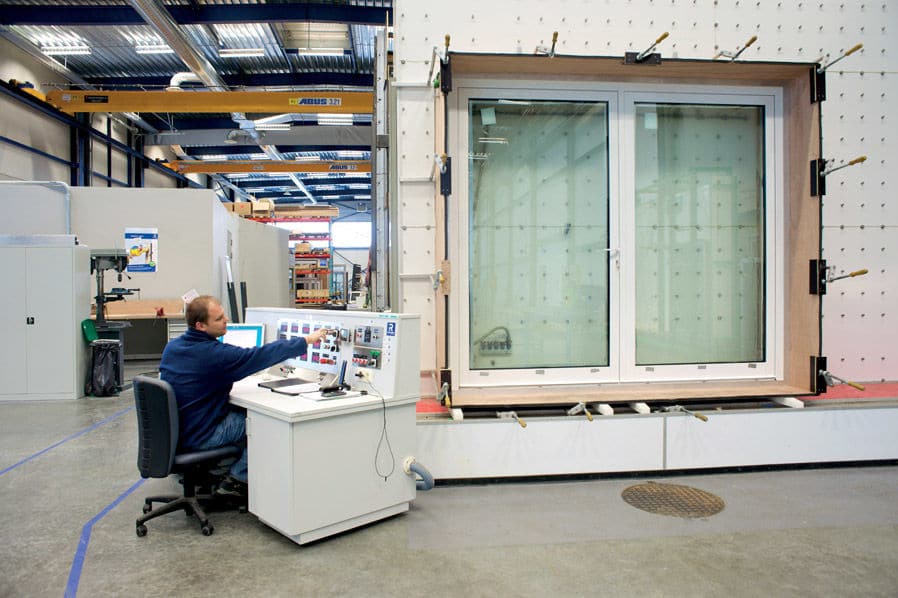
The sound insulation of frames is perhaps one of the most difficult technical characteristics, and this is because, to be measured, not only the profile – frame of the window but also the glass must be measured. Furthermore, because the two materials (glass and profile) have completely different sound insulation properties, as the dimension of the frame changes, and thus the surface area occupied by each material, the sound insulation properties, in dB-decibel, of the frame also change. An additional problem is the variety of sound-insulating glazing available.
For a frame to be certified for sound insulation, the sound insulation capabilities of both the profile and the glass (and not just the glass) must have been measured, which is extremely costly for companies. If you have requirements regarding sound insulation, you should look for companies with certificates for both elements of the frame (glass and profile). See all types of sound-insulating frames and glass.
To determine if an aluminum series is the best for window sound insulation, it is not enough to have only a good certificate (high Rw – decibel).
As mentioned above, companies that produce aluminum profiles (e.g., Alumil, Europa, etc.), when creating a series (e.g., Europa 5500), manufacture a frame (specimen) and test it in special laboratories to check its capabilities regarding sound insulation. The dimension of the specimen, its type (opening or fixed), and especially the glazing used during the test critically affect the test result. For example, if a 240cm X 220cm frame and a 90cm X 90cm frame have been tested, the 1st frame is superior because it has a larger glazing surface, which has better sound insulation capabilities than aluminum profiles. The same applies if the 1st frame is fixed and the 2nd is opening, but most importantly, even if we compare two identical frames (dimensions and type), if one of the two specimens has glazing with better sound insulation capabilities (better glass), it is natural for it to have a better final result.
In conclusion, when comparing two frame series in terms of their sound insulation (window sound insulation), we should not only look at the result of their certificates (Rw in decibels) but also seek out their certificates and observe the dimension, type, and especially the glazing used in the tested frames. Finally, we should note that there are aluminum profile manufacturing companies that do not make their test certificates publicly available, which renders the results they provide indeterminate.
Where can I find the technical characteristics and frame performance factors (certificates)?
The technical characteristics and frame performance factors (certificates), as well as the test results, can be found in the books-manuals of the technical specifications for each series. On our site, for each series, you can download all the technical characteristics of the respective series (e.g., see ESS-34 sliding thermal break frames).