





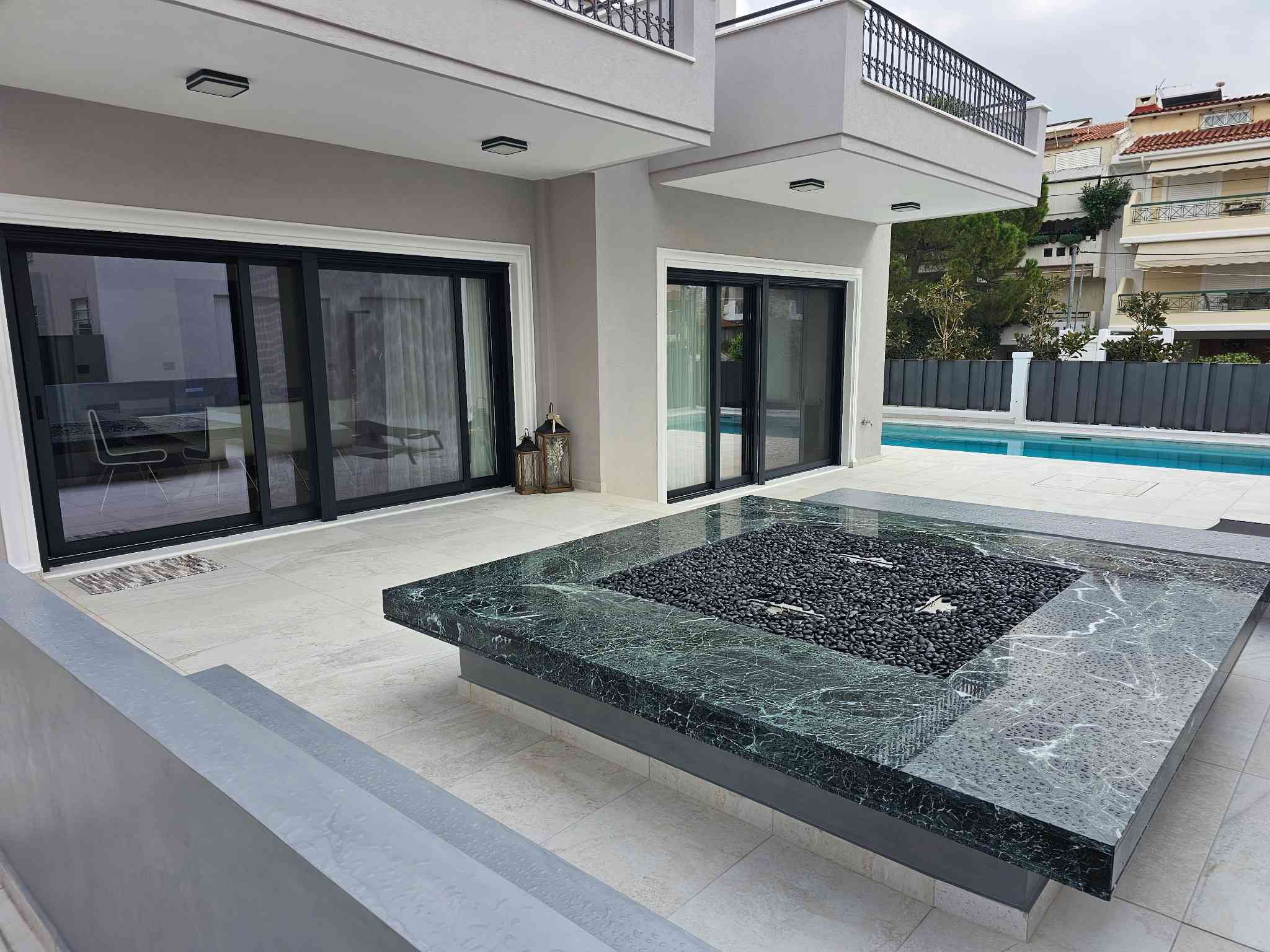
Are you building or renovating a house? Then it’s natural, after you’ve sorted out many other things, to be thinking about what color frames to choose. The choice shouldn’t be based solely on taste. The color affects the facade’s appearance, how bright the interior space looks, our furniture, maintenance, and the final cost of the frames.
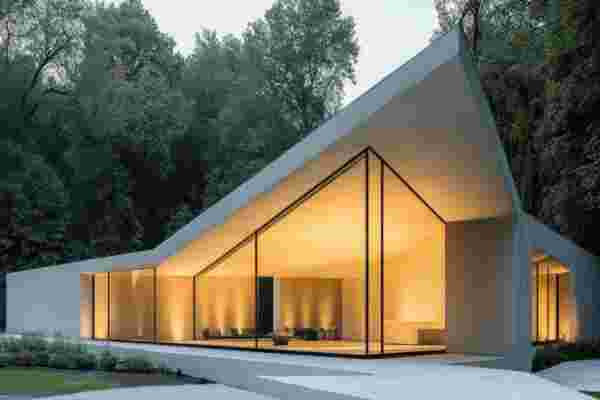
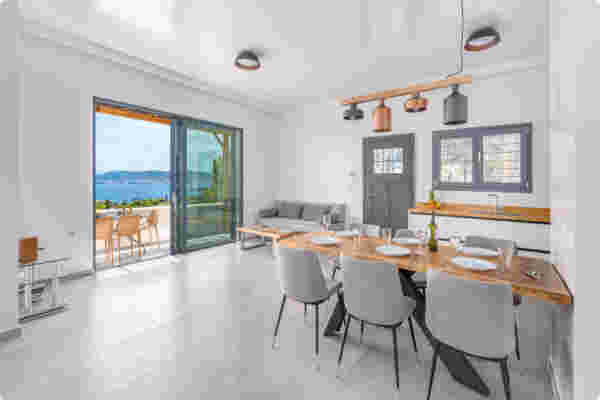
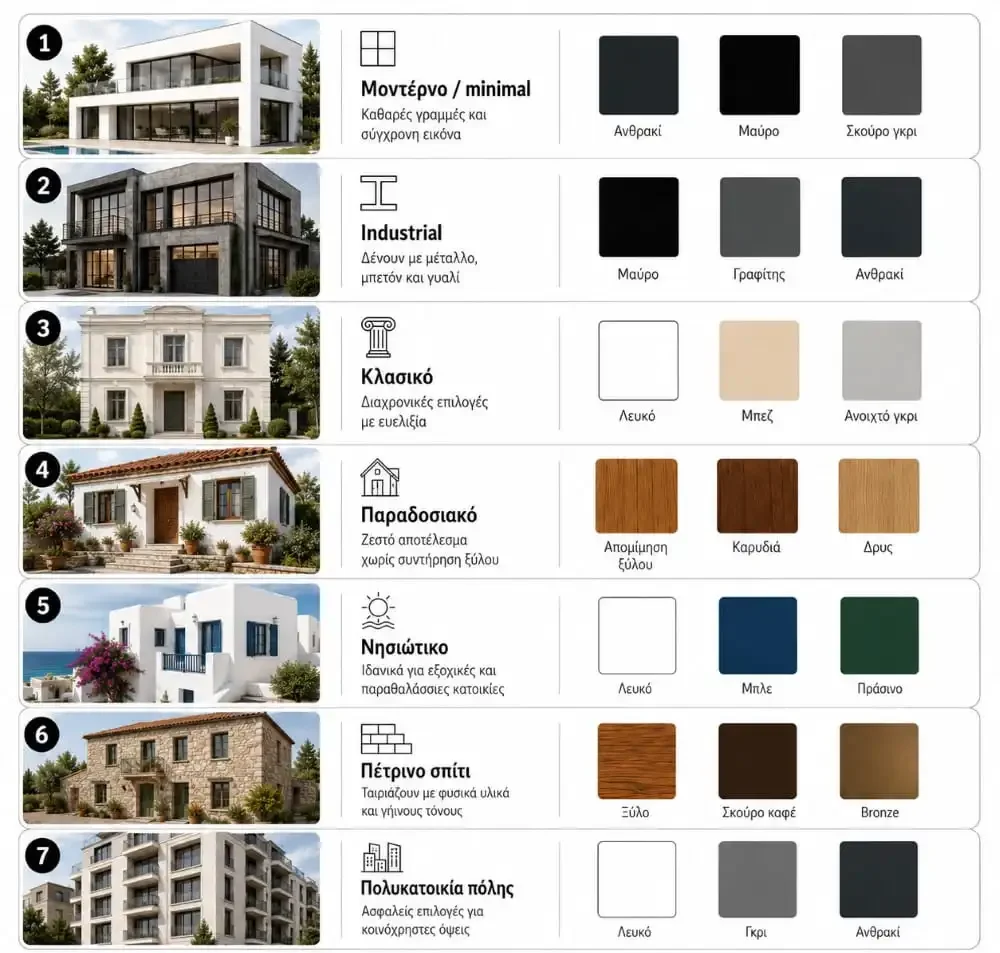
For modern or minimalist homes, the safest choices are anthracite, black, and shades of grey. For classic homes, white, beige, and earthy colors are more suitable, while wood imitations are preferred for traditional residences. In island or country homes, white, blue, and green provide a more natural result.
The important thing is not to choose a color based only on a small photo or a sample in a catalog. In practice, the same color looks different on a white wall, on stone, on concrete, or in an apartment building with an already defined facade.
Not sure which color suits your home? See the available frame colors or request an online quote to compare options and costs.
What color frames should I choose, will it match my walls?
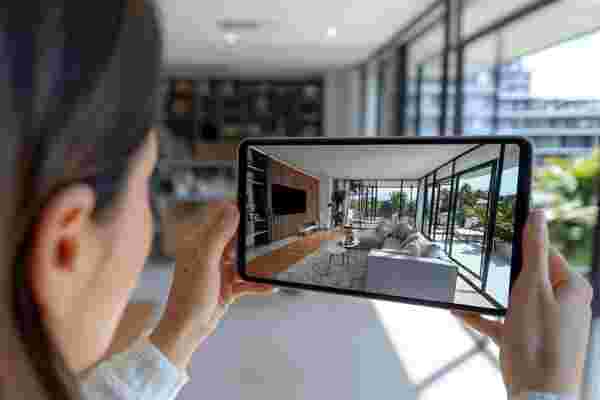
The above concern, namely whether the color of the frames I chose will match my walls, is a question we receive almost daily. However, since the answer is not singular and is subjective, we created an app where you can see the final result in all aluminum frame colors (See more at Combine frame – wall colors ).
Even if this is not enough, you can get ideas from the dozens of projects with Europa aluminum frames we have manufactured, by activating the filters (on the right side of the page) according to the color you desire.
Frame color by house style
The easiest way to start is to first look at the style of the house. It doesn’t mean there’s only one right choice, but there are colors that ‘blend’ more easily with each aesthetic.
- Modern / minimalist
- Recommended colors: anthracite, black, dark grey.
- Why they fit: they provide clean lines, strong contrast, and a contemporary look.
- Industrial
- Recommended colors: black, graphite, anthracite.
- Why they fit: they match metal, concrete, stone, and large glass surfaces.
- Classic
- Recommended colors: white, beige, light grey.
- Why they fit: they are timeless and do not restrict interior decoration.
- Traditional
- Recommended colors: wood imitation, walnut, oak.
- Why they fit: they provide a warm result without the maintenance of natural wood.
- Island style
- Recommended colors: white, blue, green.
- Why they fit: they suit coastal and country homes.
- Stone house
- Recommended colors: wood, dark brown, bronze.
- Why they fit: they blend with natural materials and earthy tones.
- City apartment building
- Recommended colors: white, grey, anthracite.
- Why they fit: they are safe choices and easily combined with common facades.
If the house is new, you have more freedom. However, if we are talking about replacing frames in an apartment building, it’s good to first check if the existing exterior appearance must be maintained.
What color frames should I choose based on the facade?
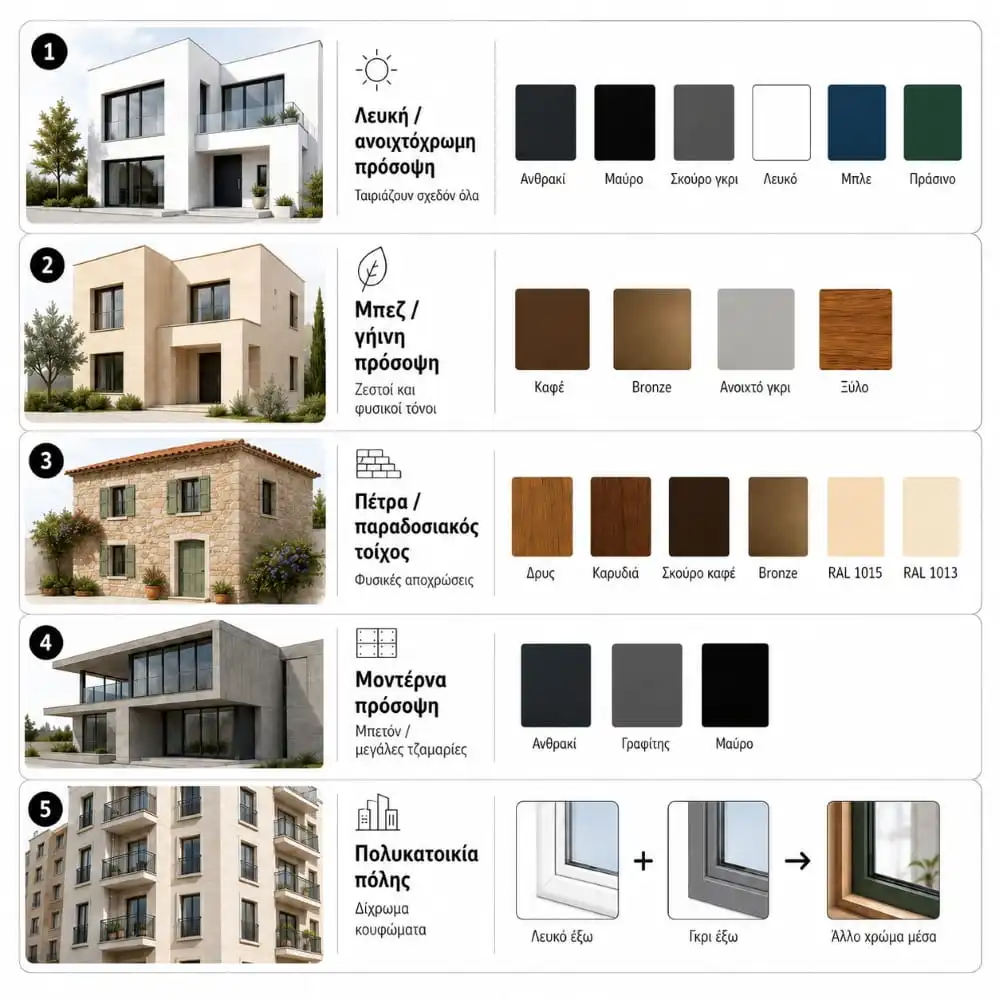
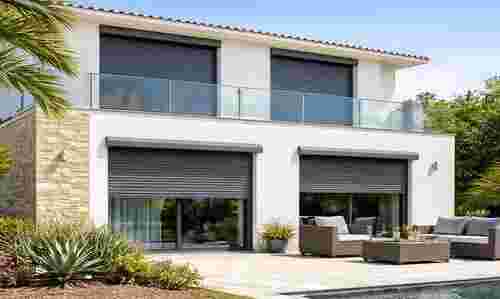
The style of the house is one aspect. The other is the facade. An anthracite frame can look excellent on white plaster, but too heavy on an already dark or small facade.
White or light-colored facade
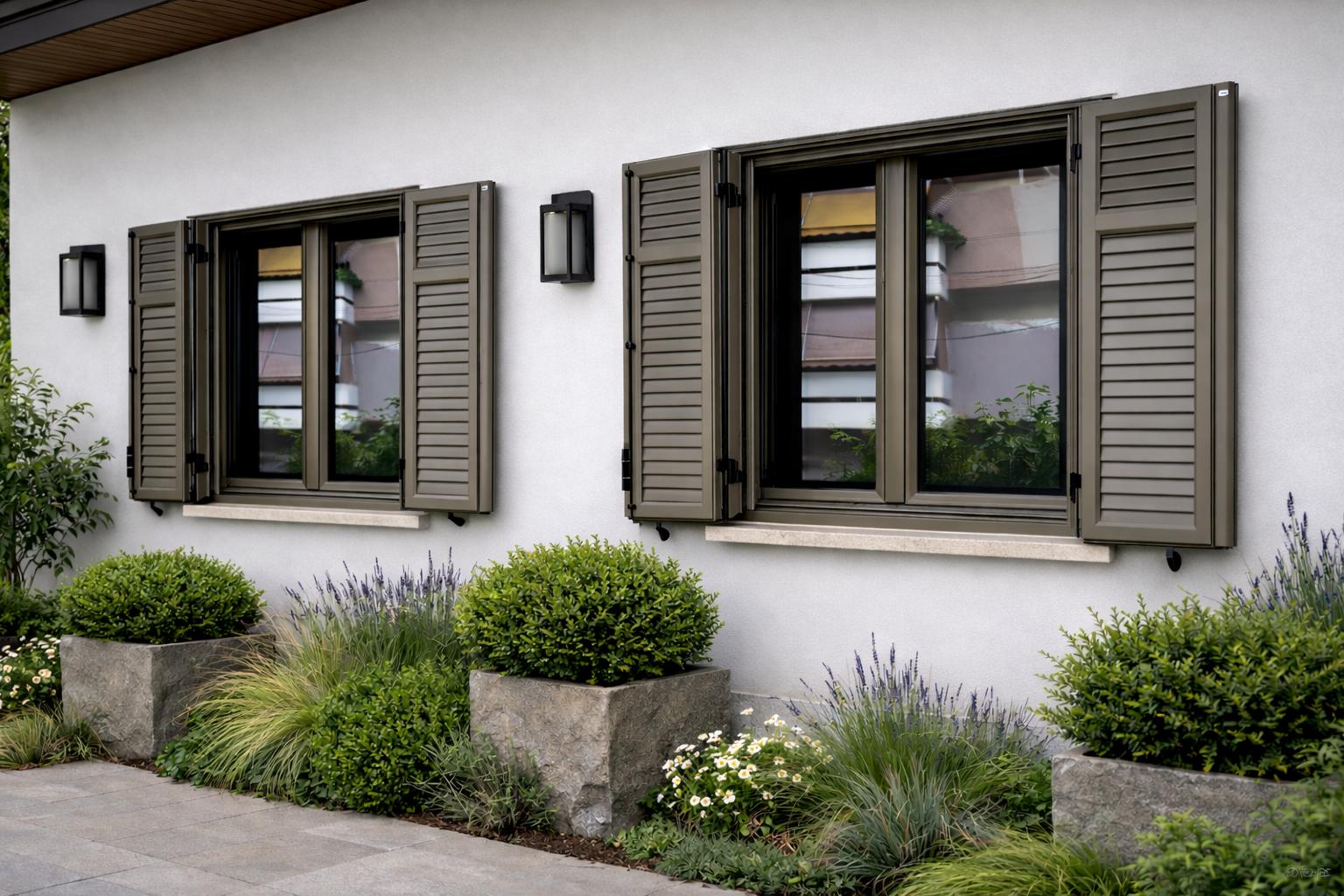
Almost all colors suit white or very light facades. Anthracite, black, and dark grey create a strong contrast and a more modern look. White gives a calmer and brighter result, while blue or green can work well for a country or island style.
Beige or earthy facade
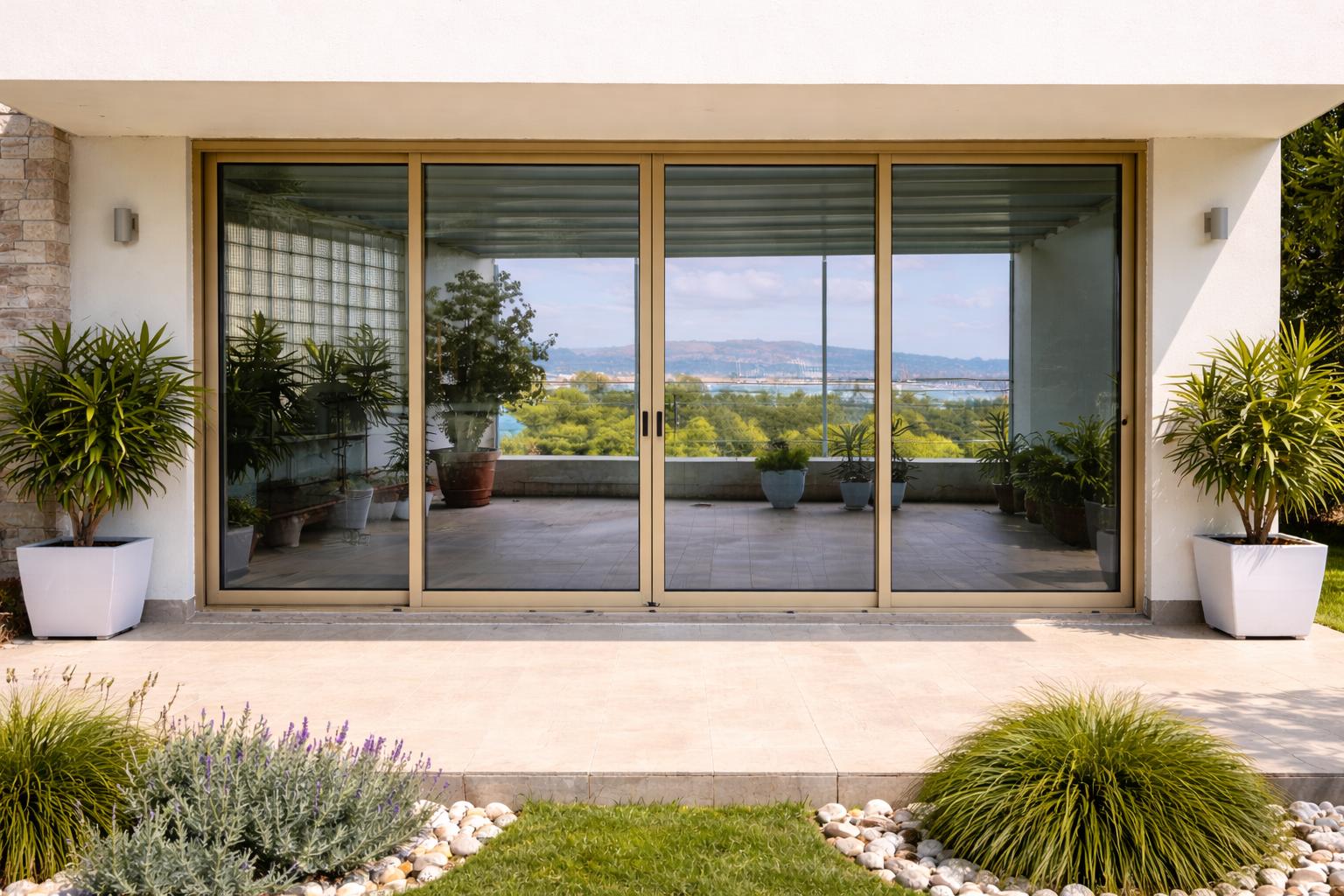
Brown, bronze, light grey, and wood tones are very suitable for beige, cream, or earthy facades. Black can look beautiful, but care is needed to avoid too ‘harsh’ a contrast.
Stone or traditional wall
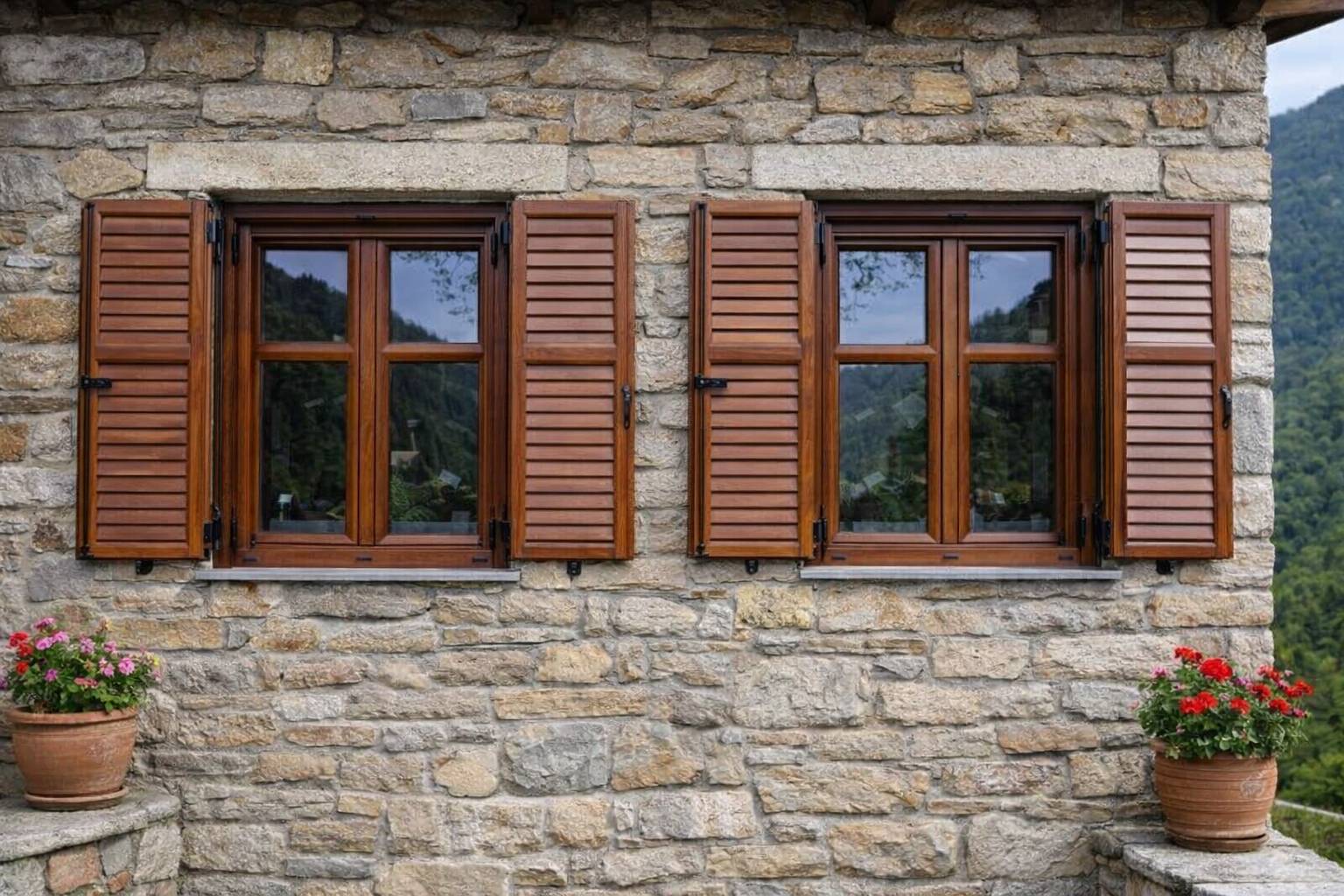
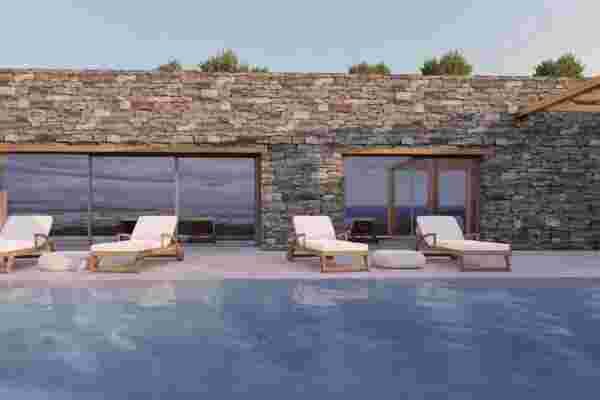
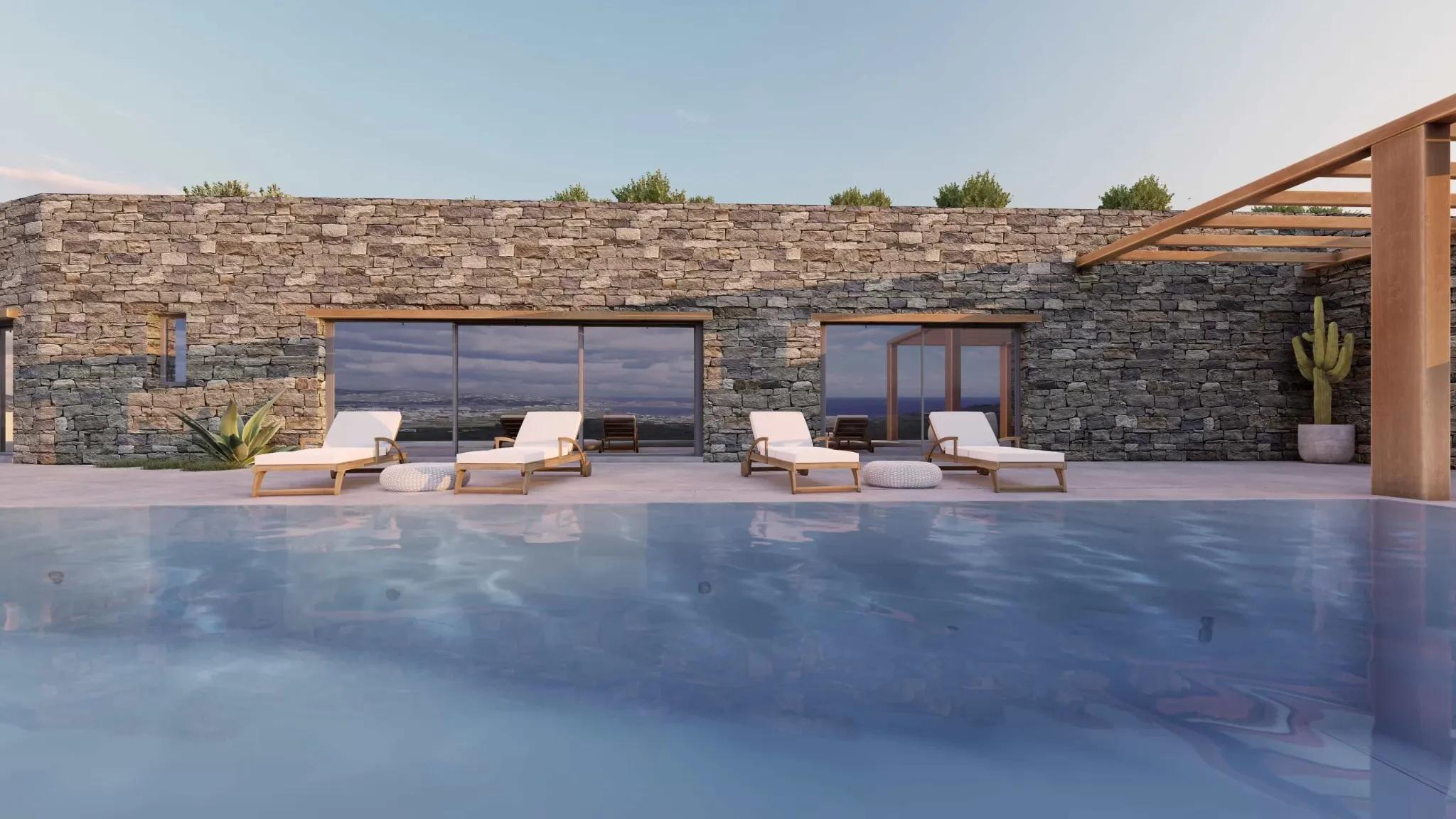
For stone houses, wood imitations are usually the safest choice. Oak, walnut, dark brown, or bronze blend with the natural material and do not draw attention away from the stone. Also, beige shades like Ral 1015, 1013.
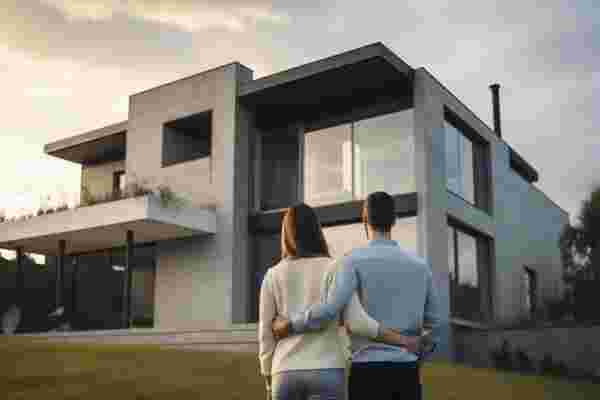
Modern facade with concrete or large glass surfaces
Here, anthracite, graphite, and black are the most common choices. They match large glass
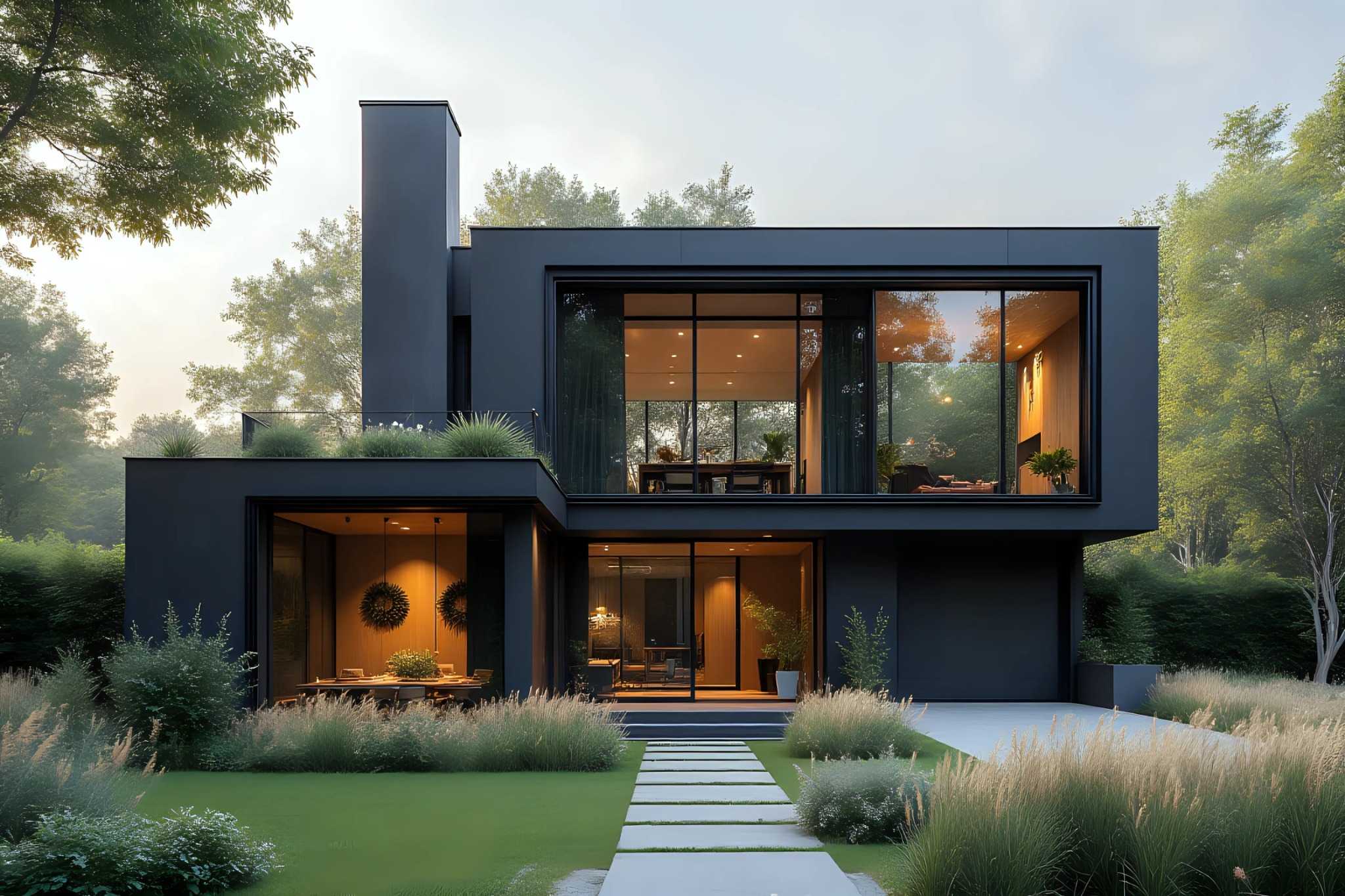
surfaces, thin lines, and modern materials.
City apartment building
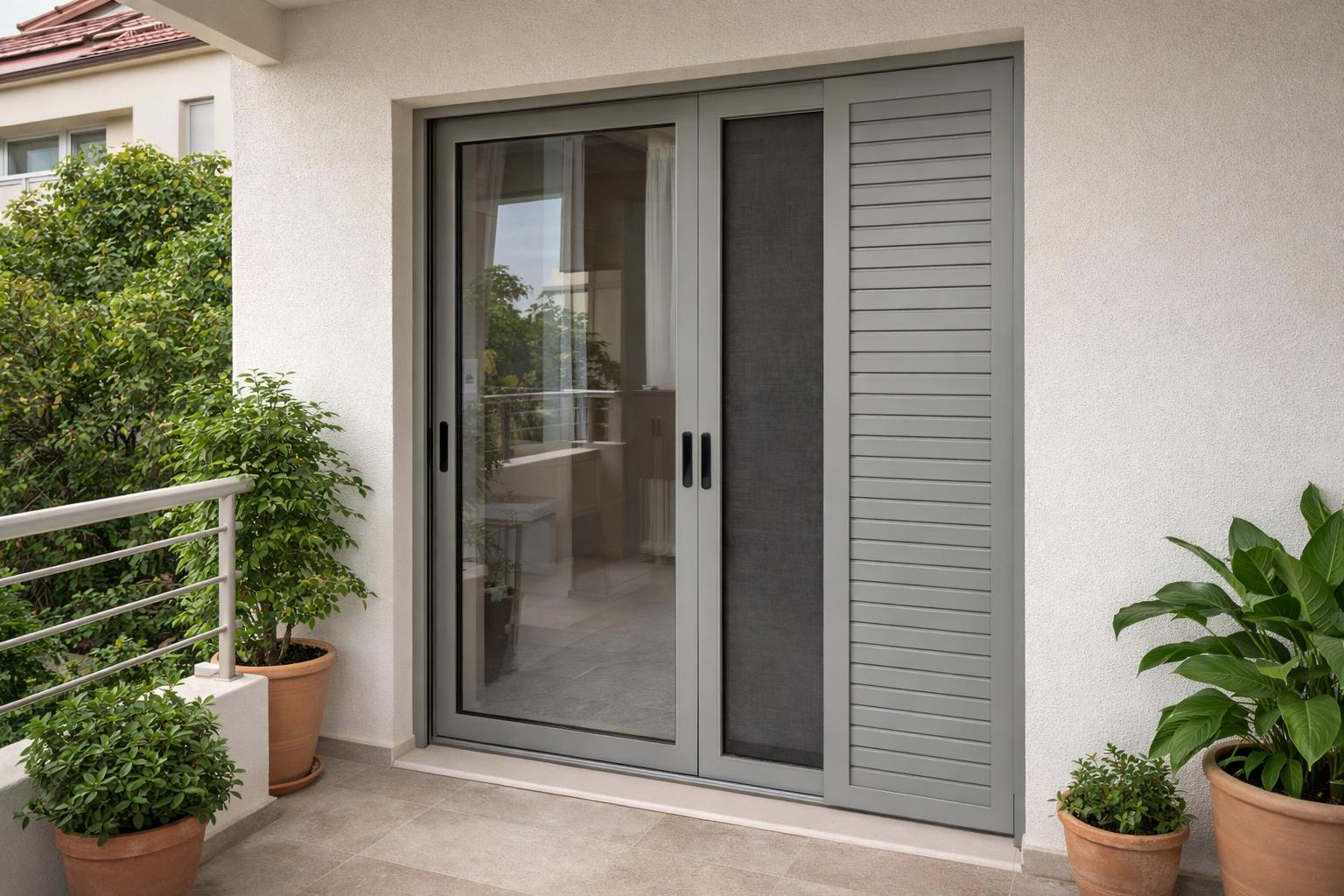
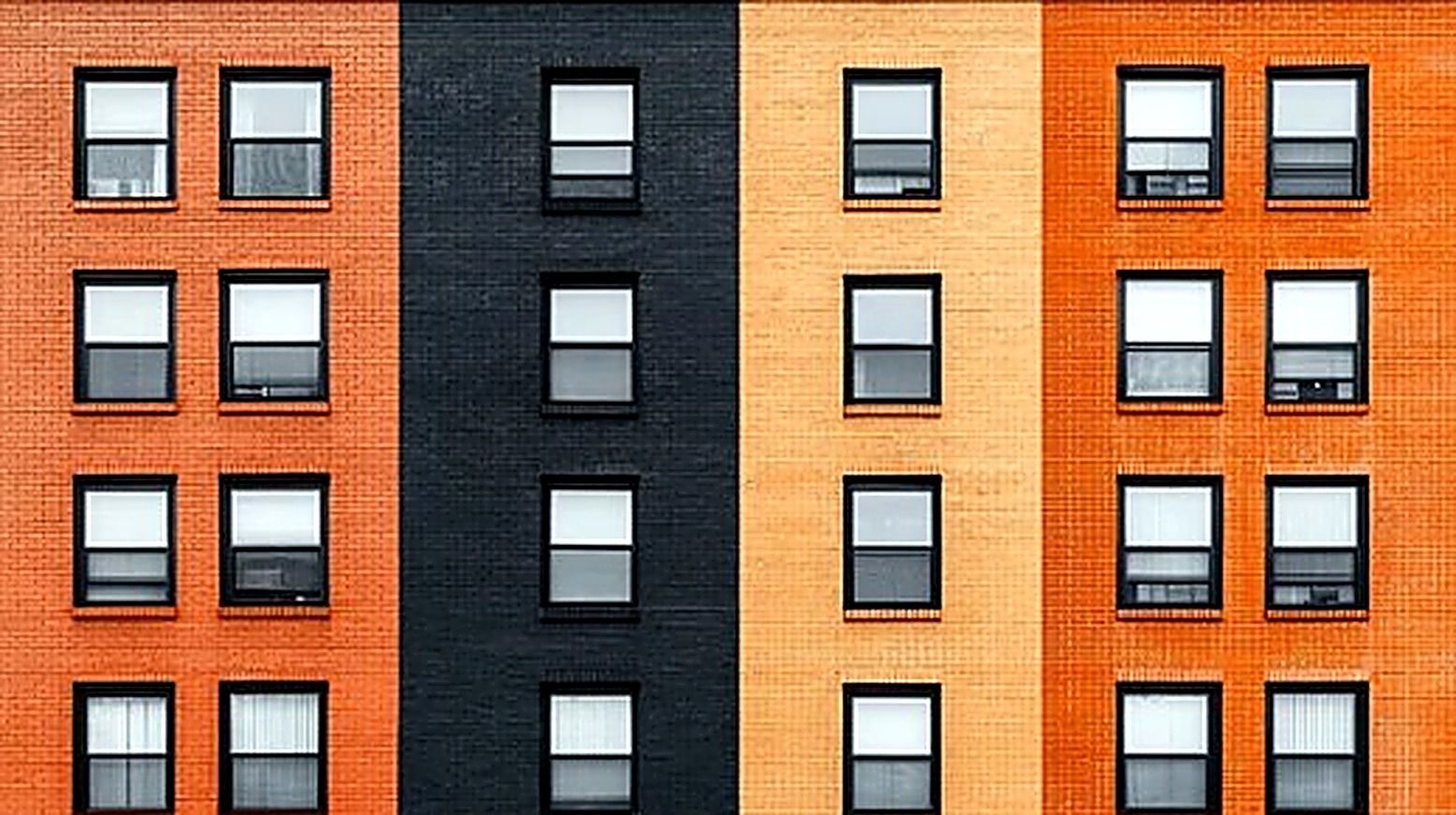
In an apartment building, the best choice is not always the one you like most, but the one that can be applied without altering the building’s appearance. If the exterior must remain white or grey, you can consider two-tone frames, meaning those with one color outside and another inside.
The most popular frame colors
Let’s see which frame colors are currently the ‘hottest’, and which are considered timelessly popular.
Anthracite and grey frames
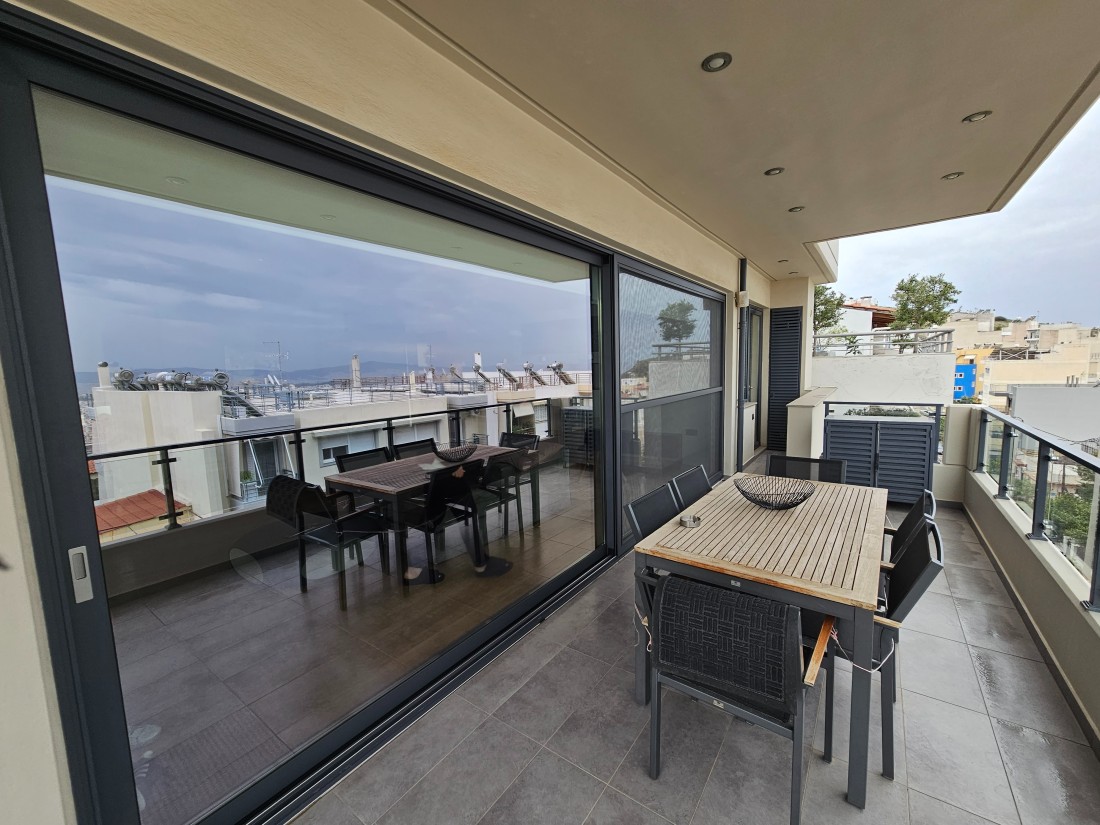
Anthracite and grey frames are among the most popular choices for contemporary residences. They provide a more architectural result, appear ‘clean’ in their lines, and match white, beige, grey, or stone walls. Grey also has a practical advantage: it is not as intense as black, making it easier to combine with different styles. This is why it is often the safest modern choice.
Black frames
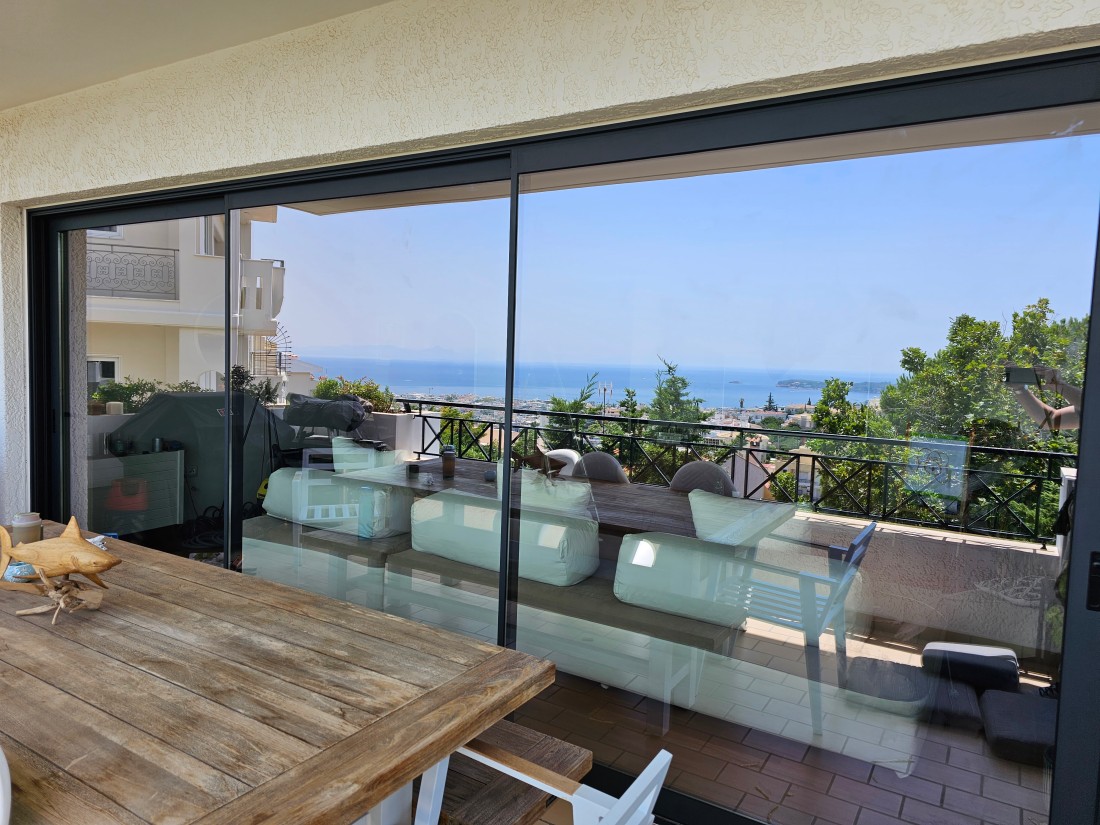
Black frames create a very intense and minimalist effect. They suit modern homes, industrial aesthetics, and large glass surfaces. However, they require moderation. In small spaces or homes with low natural light, they can appear heavy. Also, in areas with a lot of dust or salt deposits, very dark colors may show dirt more quickly.
White frames
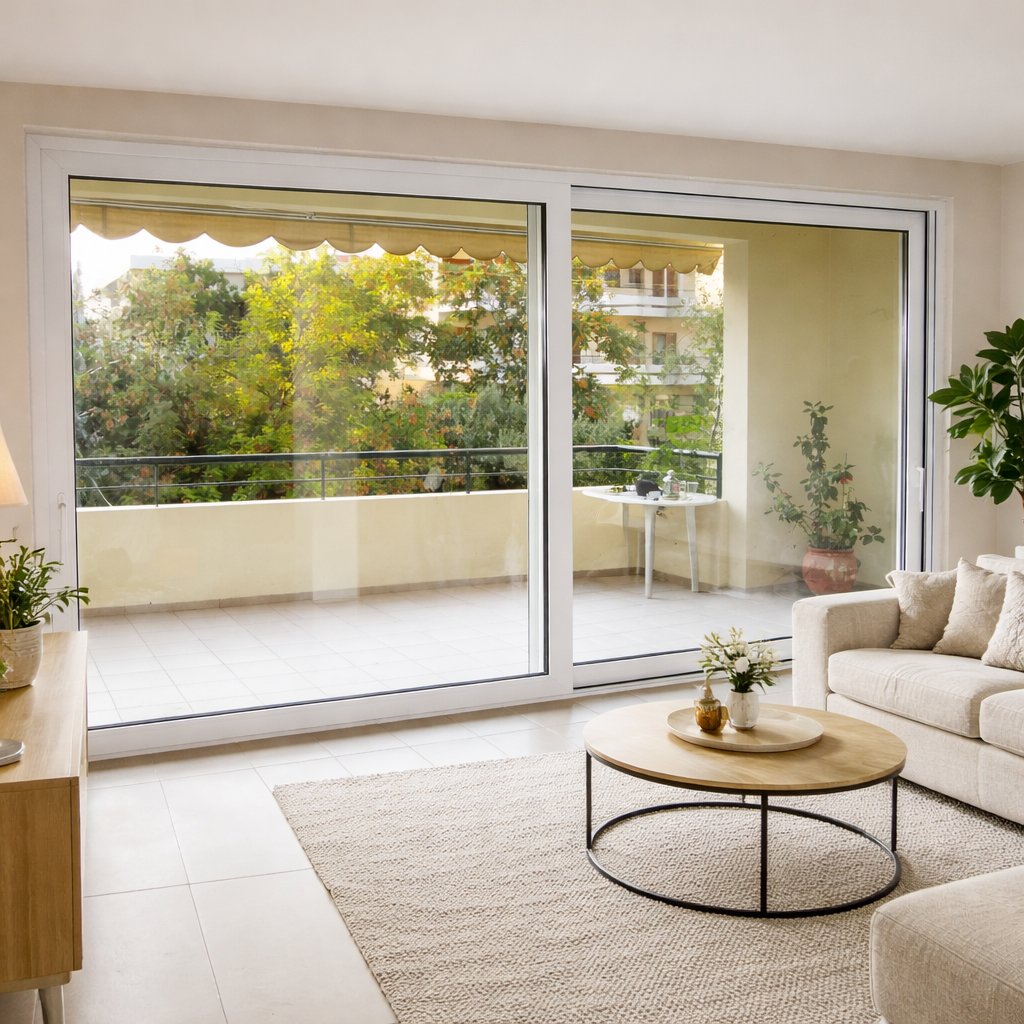
White frames are timeless, bright, and easily suit apartment buildings, classic homes, and small spaces. If the goal is a very modern result, white might appear simpler. However, if you want neutrality, low visual weight, and easy adaptation to interior decoration, it remains a practical solution.
Beige and earthy colors
Beige, cream, bronze, and earthy colors are ideal when you want a softer result than black or anthracite. They suit residences with tiled roofs, stone, warm walls, or classic architecture. They are a good choice when you don’t want the frames to ‘stand out’, but rather to blend with the overall aesthetic.
Wood imitation
Wood imitation in aluminum frames is often chosen for traditional houses, stone residences, and areas where a more natural look is desired. With the right coating, the result can resemble real wood, without the same maintenance needs.
Blue and green frames
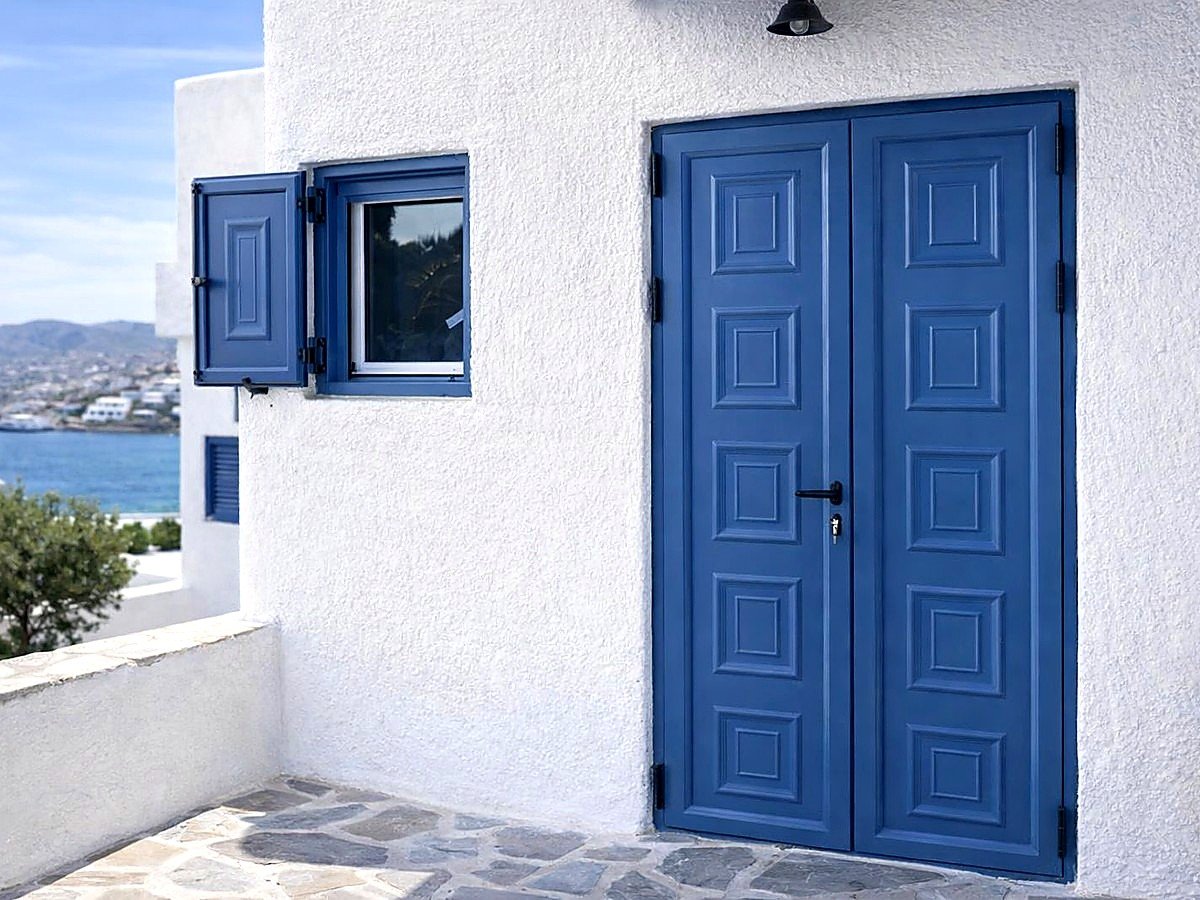
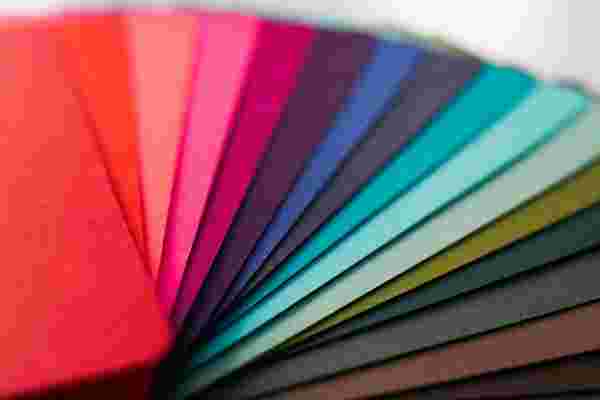
Blue and green are mainly suitable for island, country, or coastal homes. They are not as neutral choices as grey or white, but they can add character. If you choose them, it’s good to see them on the actual facade. A blue that looks nice in the color chart might appear too intense on a large surface.
Can I have a different color inside and out?
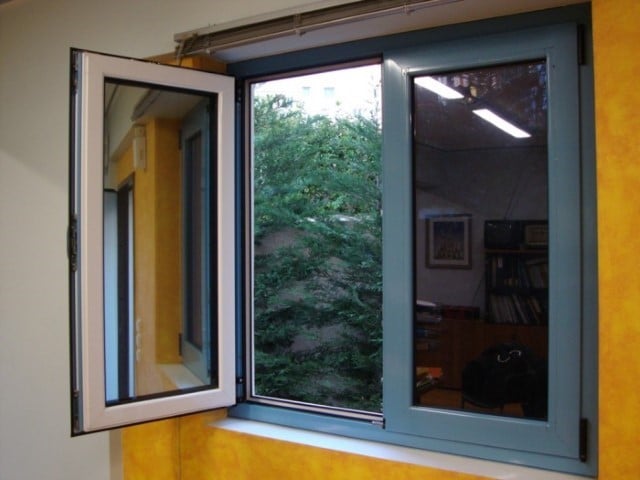
Yes, in several thermally broken aluminum systems, a different color can be chosen for the exterior and interior sides of the frame.
This is very useful when the facade requires one color and the interior of the house something else. For example, the exterior might be anthracite or black to match the facade, while the interior might be white or light grey so as not to darken the space.
Two-tone frames usually cost more than a single-color option, but they solve a real problem, not forcing you to choose between exterior aesthetics and interior decoration.
Matte, glossy, or textured finish?
Color is not just about shade. It’s also about texture. Glossy colors give a more classic look and are quite common in RAL shades. Matte colors appear more modern and usually suit minimalist residences better. Textured or sandblasted finishes have a more ‘technical’ texture and can be more practical for daily use, as they don’t show small imperfections as easily.
In practice, for anthracite or black frames, a matte or textured finish usually looks aesthetically more expensive than a glossy one.
Which colors are more practical in sun, dust, and sea conditions?
In a country with intense sun, high temperatures, and many coastal areas, it’s not enough to just choose a beautiful color. You also need to consider the coating.
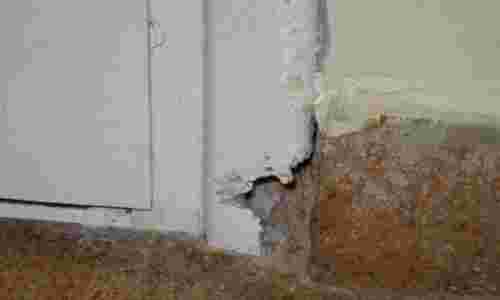
Very dark colors show dust, salt deposits, or water marks more easily. White and very light colors are brighter, but may require more frequent cleaning to avoid looking dull. Wood imitations give a very beautiful result, but in areas with intense solar radiation, great care is needed (see coating problems) for quality coating and proper maintenance.
How much does the color of frames cost?
The cost depends on the shade, finish, aluminum series, paint shop, and choices for roller shutters, screens, blinds, and accessories. Not all colors cost the same.
Typically, basic shades are more economical, while special RAL, matte, textured, metallic shades, wood imitation, and super-durable coatings can increase the cost. The same applies if you want individual elements, such as handles or mechanism covers, to be painted in the same color. Fenestral already notes that some types of handles and knobs can be painted in the same color by special agreement, price, and availability.
The color we choose for our frames is one of the main factors that gives our home the desired look. The choice of RAL, matte, textured – super-durable coating or wood color plays a role in the final cost. Initially, we must point out that each aluminum production company has its own charge for coatings on aluminum profiles, roller shutters, and screens. This, therefore, means that the percentage increase is different for profiles, roller shutters, and screens, which is why we will look at them separately.
When, for example, a manufacturing company offers a certain color at the price of white, it usually charges a very small surcharge of 1% – 2% for waste. Manufacturers buy profiles in six-meter bars. If the waste is, for example, white, because white is the most common color in constructions, they use it in another project. If, however, it is another color, which they would find difficult to utilize in another project, then manufacturers almost always charge a small surcharge for colors other than white.
The basic color of aluminum production companies is glossy RAL white. EUROPA currently offers some other RAL colors at the price of RAL white, such as certain shades of grey, brown RAL 8014, black RAL 9005, etc. You can see the Europa colors on offer at the link.
The charge for colors on aluminum profiles varies depending on the type of color (RAL, matte, super-durable coating, wood color) and the company. Manufacturers buy profiles by the kilo, and at a different price for each color. Therefore, an estimate for a percentage surcharge on the price is unreliable, as various factors play a role, such as waste, color, paint shop, etc. The percentage surcharges compared to white are:
- 10% for glossy RAL colors
- 15% for MATTE colors
- 20%-25% for metallic colors
- 20%-30% for super-durable coatings
- 35%-40% for wood color surcharge
The surcharge for heavy-duty roller shutters and screens is different. The indicative surcharges are as follows.
- 25% for glossy RAL colors
- 30% for matte colors
- 50% for metallic colors
- 65% for super-durable colors
- 65% – 75% for wood imitation color
The surcharge for polyurethane aluminum roller shutters is different, as there are standardized colors for the slats. Thus, if someone buys such a roller shutter with a white box and guides and a standardized slat color, the surcharge is approximately 2% – 5%
Finally, we must point out that the charge for painting entrance doors, aluminum panels, and kitchen doors is different. The price surcharge depends on the color, the paint shop, and the period when the painting is done. If we were to give an indicative surcharge, we would say it is approximately proportional to that of roller shutters and screens.
Before deciding, ask for a quote with a specific color and finish. This way you’ll know if the difference is small or if it significantly affects the budget. Request an online quote for frames with the shade you are interested in.
Electrostatic coating, super-durable coatings, or anodizing?
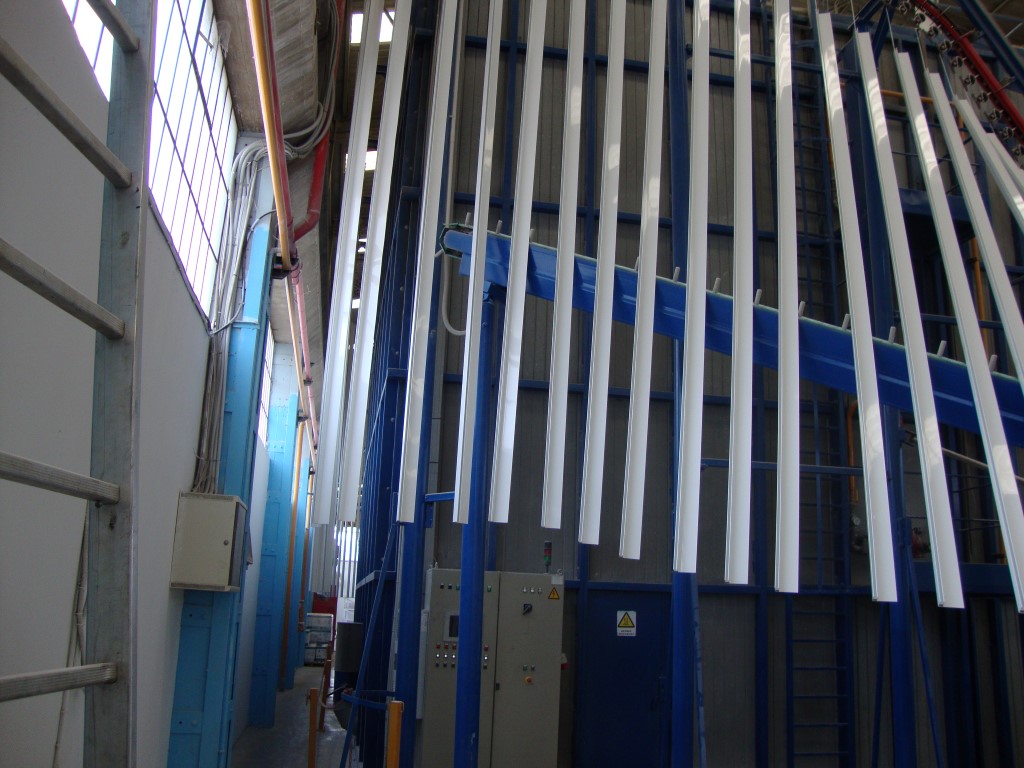
For aluminum frames, two main methods are used for surface treatment and coloring: electrostatic coating and anodizing. Electrostatic coating is the most widespread method and offers a wide range of colors, while anodizing artificially creates an oxide layer on the aluminum surface. In recent years, electrostatic coatings have featured a technology called super-durable coatings, which are three times more durable and ideal for harsh conditions (see more on what super-durable coatings are).
- Electrostatic coating: Preferred when you want a wide range of colors, RAL shades, matte, textured, or wood imitation.
- Anodizing: Preferred when you want a more metallic appearance and different surface behavior.
- Super-durable coatings: Preferred when the house is in difficult conditions, such as intense sun, sea, or a demanding environment.
- Pre-anodizing + coating: Preferred when increased protection is required, but at a higher cost.
Europa aluminum frames offer free pre-anodizing on all aluminum profiles, as well as Sea side class 2 treatment (see more at Europa aluminum frames).
Checklist before choosing frame color
Before placing your order, check the following:
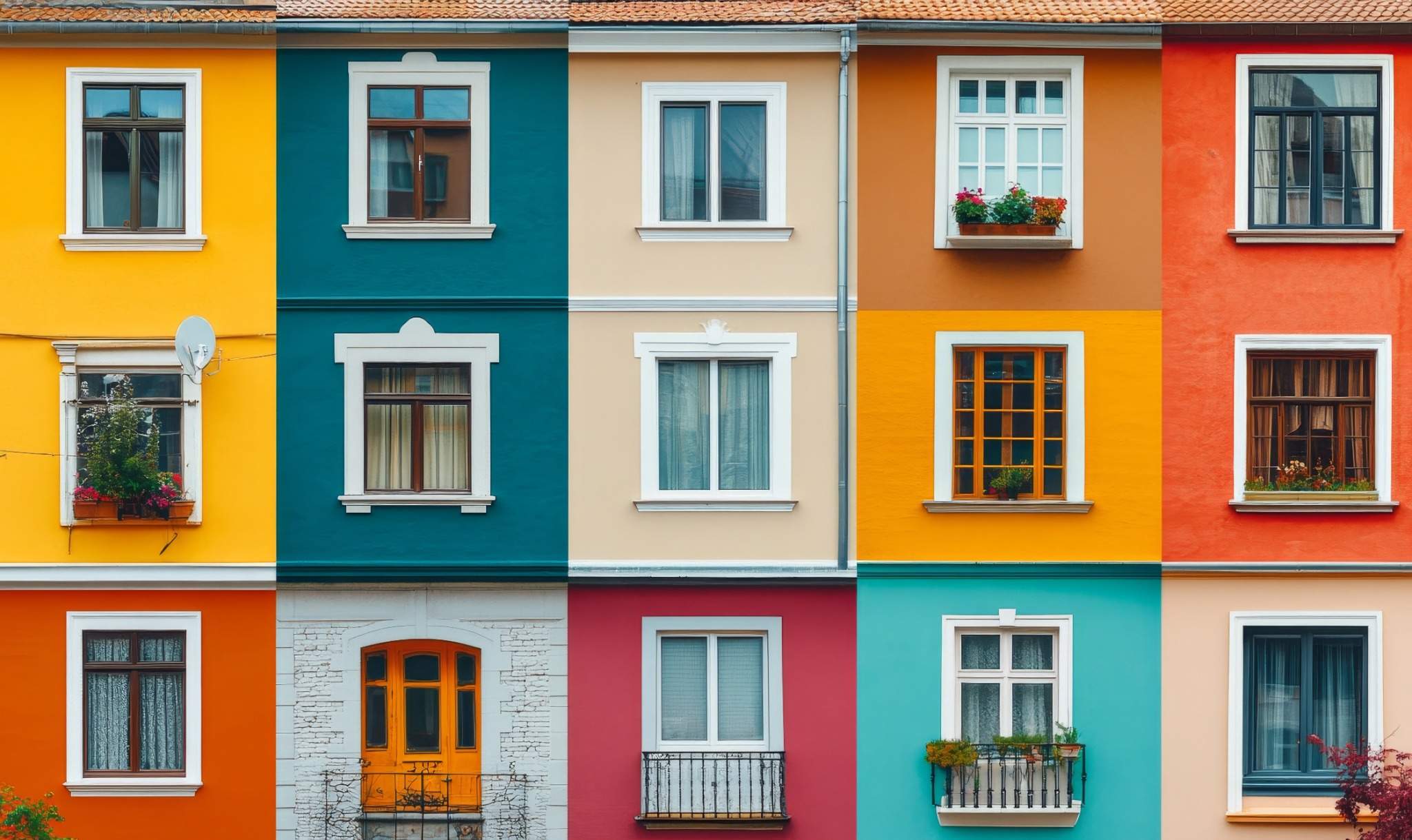
- View the color in natural light, not just on a screen.
- Compare the sample with the actual wall or facade.
- Ask if the same color can be applied to roller shutters, screens, blinds, and accessories, especially for mechanisms and external covers on casement and sliding windows.
- Check if the apartment building or area has restrictions on the exterior appearance.
- Consider whether you want the same color inside and out, or a two-tone solution.
- Ask if your area requires super-durable coating or Sea Side Class.
- Request the final price with the specific color, not generally ‘with color’.
- Don’t decide based solely on trends. You’ll be looking at the frames for many years.
If you are between two choices, usually the safest solution is the one that matches both the facade and the interior. Not just a photo you saw online.
Frequently Asked Questions
What is the most popular color for frames?
Anthracite and shades of grey are among the most popular choices for modern frames, as they easily match white, beige, and grey facades. In the last two years, the textured dark grey colors AMMOS RSD 7016, 7015, and 7021 have been the top-selling colors, with Europa now forced to keep them in stock. White remains a timeless choice, especially in apartment buildings and more classic homes. See the aluminum frame colors
Are white frames outdated?
Not necessarily. White frames are a simpler and timeless choice. They may not give as modern a result as anthracite or black, but they remain practical, bright, and easy to combine. Some consumers choose white – textured colors (e.g., AMMOS 9010, 9016) which remove the glossy shine of aluminum, providing a very beautiful result.
What color frames should I choose for a modern house?
For a modern house, anthracite, black, dark grey, or graphite are mainly suitable. If you want a softer result, you can choose medium grey or a two-tone solution with a dark color outside and a light one inside.
What color frames should I choose for a traditional house?
For a traditional house, wood imitations, walnut, oak, dark brown, or bronze are mainly suitable. These shades blend better with stone, tile, and natural materials. Also, solid colors in beige shades (RSD AMMOS 1015) that match the stones, and under no circumstances glossy colors.
Do dark frames get dirty easily?
Dark frames may show dust, salt deposits, and water marks more easily, especially in coastal or very dusty areas. This does not mean you should avoid them, but that proper coating selection and regular cleaning are necessary.
Is wood imitation worth it for aluminum frames?
It is worth it when you want the look of wood without the maintenance of natural wood. It is a very good choice for traditional, stone, and country houses. However, it requires a quality coating, especially in areas with intense sun. If you choose this, monthly cleaning of the frames is imperative to avoid discoloration and coating problems.
Can I have a different color inside and out?
Yes, in several aluminum systems, two-tone frames are possible. This way you can have anthracite or black externally and white or light grey internally, to better match the decoration. You cannot have two-tone frames if you have roller shutters or recessed sliding frames.
Final advice
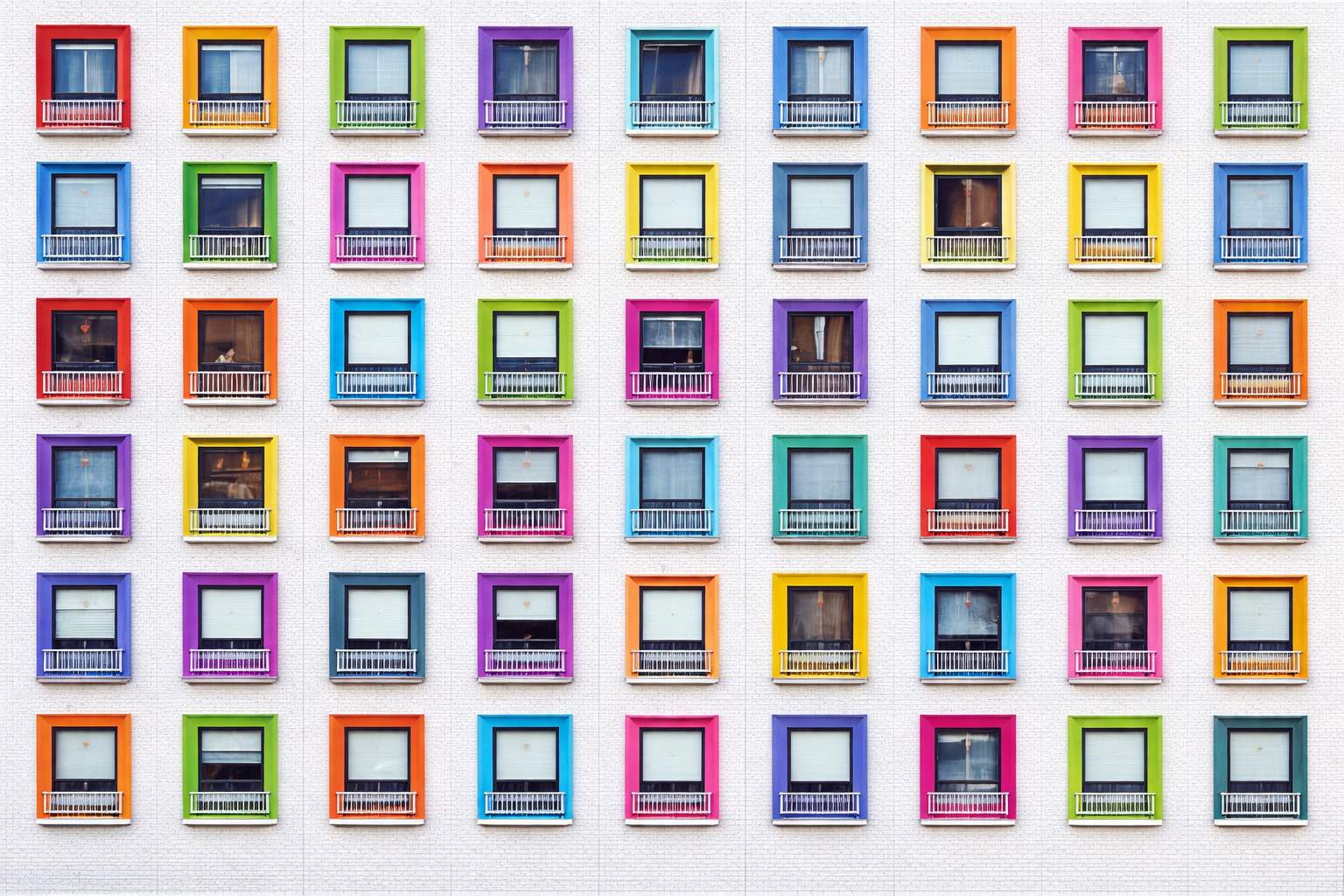
To decide what color frames to choose, start with three things: the style of the house, the facade, and the local conditions. Anthracite is an excellent modern choice, white remains safe and timeless, while wood imitation is ideal for a more traditional result.
However, the right choice lies in the combination of color, finish, coating quality, and proper application. Do you need help choosing frame colors? See the app and combine frames with wall colors and print them.